Will Voters in Bengal Face Legal Repercussions for Using Forged Documents?

Synopsis
In West Bengal, the ECI is taking a firm stance against voters using fraudulent documents during the Special Intensive Revision process. Those caught could face heavy penalties, including lengthy prison sentences. This initiative aims to maintain the integrity of the electoral process and curb illegal activities related to voter registration.
Key Takeaways
Forged documents can lead to severe legal repercussions.
AI technology is being utilized to enhance document verification.
Special observers are monitoring the revision process for accuracy.
The electoral roll publication is crucial for upcoming elections.
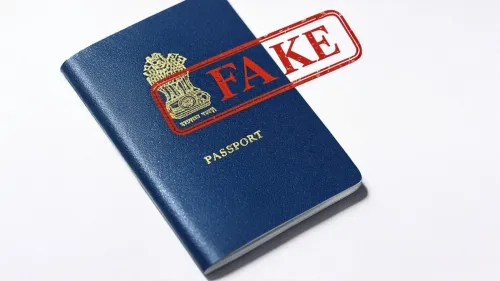
Kolkata, Dec 9 (NationPress) The Election Commission of India (ECI) has warned that voters in West Bengal who submit forged identity or related documents during the ongoing Special Intensive Revision (SIR) will face stringent legal consequences, potentially leading to up to seven years of rigorous imprisonment.
A statement from the Chief Electoral Officer (CEO) of West Bengal emphasized that any individual caught presenting forged identity or other legal documents to retain their name in the voter list risks a prison sentence of up to seven years under Section 337 of the Bharatiya Nyaya Sanhita (BNS).
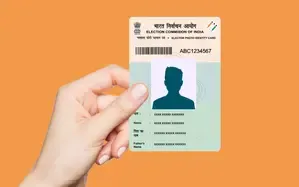
This section specifically targets the forgery of documents, including court records, public registers such as birth or marriage certificates, and government-issued identity documents like Aadhaar cards.
Moreover, Section 337 encompasses the falsification of various official documents, including certificates issued by public servants or powers of attorney. Convictions under this section can result in imprisonment for a maximum of seven years along with a financial penalty.
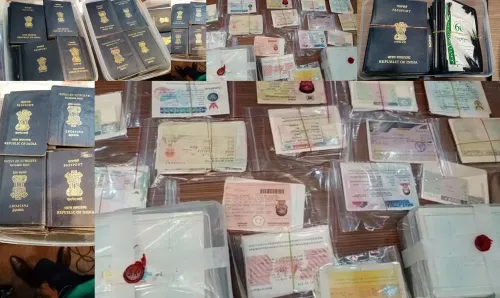
An insider from the CEO's office revealed that this advisory was prompted by multiple instances where illegal Bangladeshi immigrants used forged documents claiming local elderly citizens as their parents to get their names on the voter list and maintain them in the electoral roll.
“The commission has also opted to utilize Artificial Intelligence extensively to detect forged documents,” the insider noted.
The ECI has already deployed five additional special roll observers to scrutinize the ongoing SIR in West Bengal, specifically looking for instances of “deliberate” data entry errors in the second phase of this process, which will commence post the publication of the draft voter list on December 16.
In addition to identifying specific data entry errors, these observers are tasked with uncovering “individuals within the system” responsible for such errors and recommending disciplinary measures against them.
The second phase of the SIR process will include filing claims and objections, with the notice phase—covering issuance, hearing, verification, and resolution of enumeration forms—conducted simultaneously by the Electoral Registration Officers (EROs).
Upon completion of this phase, the final stage will involve the publication of the final electoral roll on February 14. Shortly thereafter, the ECI is anticipated to announce the dates for the vital Assembly elections in the state.
Point of View
I believe the ECI's decision to enforce strict penalties for document forgery is crucial for upholding electoral integrity. It showcases a commitment to ensuring that the democratic process remains free from manipulation, thus reinforcing public trust in the electoral system.
NationPress
30 Sept 2026
Frequently Asked Questions
What is the penalty for using forged documents in West Bengal's voter list?
Individuals caught using forged documents may face up to seven years of rigorous imprisonment under Section 337 of the Bharatiya Nyaya Sanhita.
How is the ECI addressing the issue of forged documents?
The ECI is employing Artificial Intelligence technology to detect forged documents and has assigned special observers to monitor the revision process.
What is the timeline for the Special Intensive Revision process?
The second stage of the SIR will begin after the draft voter list is published on December 16, with the final electoral roll expected to be published on February 14.