West Bengal to reinstate DVRRC nominee before monsoon after 2024 pullout
Synopsis
West Bengal's new government is set to end a year-long boycott of the Damodar Valley Reservoir Regulation Committee — a body its predecessor quit in protest over alleged unilateral floodwater releases by the DVC. With the same party now in power at both the Centre and the state, the era of institutional confrontation over South Bengal's monsoon flooding appears to be closing.
Key Takeaways
West Bengal has taken an in-principle decision to reinstate its nominee in the Damodar Valley Reservoir Regulation Committee (DVRRC) , before the 2025 monsoon .
The previous TMC government under Mamata Banerjee withdrew representation in September 2024 , alleging the DVC released floodwater without prior notice to the state.
The Union Jal Shakti Ministry and BJP had called those allegations baseless, noting the state was already represented on the committee.
The Chief Minister's Office has directed the state power and irrigation departments to coordinate closely with the DVC.
A formal announcement naming the state's nominee is expected shortly, according to sources at Nabanna .
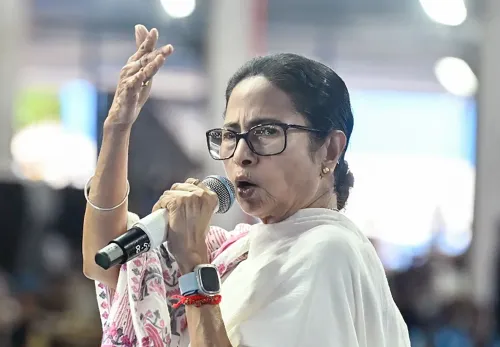
The West Bengal government has taken an in-principle decision to reinstate its representative in the Damodar Valley Reservoir Regulation Committee (DVRRC), reversing a withdrawal ordered by the previous All India Trinamool Congress (TMC) cabinet under former Chief Minister Mamata Banerjee. The move, confirmed by an insider at the state secretariat Nabanna, is expected to be formalised before the 2025 monsoon season.
Background: Why Bengal Walked Out of DVRRC
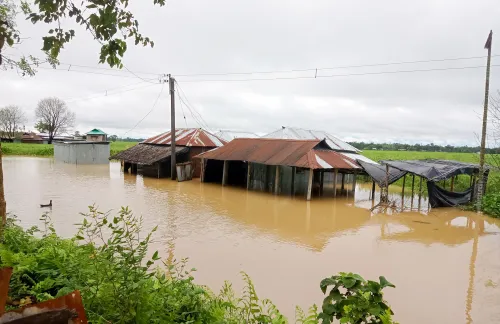
In September 2024, Mamata Banerjee wrote to Prime Minister Narendra Modi announcing the withdrawal of the state's representation from the DVRRC. Her stated reason was that the Damodar Valley Corporation (DVC) had been releasing water from its dams during the monsoon without giving prior intimation to the state government, leading to inundation across several pockets of South Bengal.
Throughout her tenure as Chief Minister from 2011 to 2026, Banerjee consistently alleged that critical decisions — including floodwater releases — were taken unilaterally by the Central Water Commission and the Union Ministry of Jal Shakti without reaching a consensus with the state. She also accused the DVC of routinely ignoring the state government's requests and views.
Centre's Rebuttal and Political Fallout
The withdrawal drew sharp criticism from the Bharatiya Janata Party (BJP) and the Union Jal Shakti Ministry. The Ministry contended that water releases from DVC reservoirs are decided through deliberations within the DVRRC itself — a body that already includes state government representation — making the allegations of unilateral action baseless. Critics argued that Bengal's absence from the committee would only weaken the state's ability to influence such decisions.
New Government, New Approach
'Now, with the same ruling party at both the Centre and in West Bengal, the past days of confrontation with the Damodar Valley Corporation are over, and hence the new state government has decided to send its representative to the Damodar Valley Reservoir Regulation Committee soon, definitely before the monsoon. A formal announcement on this count will be made soon,' said an insider from the current state secretariat of Nabanna.
The source added that instructions from the Chief Minister's Office have already been dispatched to the state power department and the state irrigation department, directing them to work in close coordination with the DVC going forward.
What Changes on the Ground
The reinstatement signals a decisive shift from confrontation to cooperation in Bengal's approach to flood management along the Damodar river basin. With the state and the Centre now aligned politically, the new administration appears to be prioritising institutional coordination over public disputes. This comes ahead of a monsoon season that historically puts large parts of South Bengal at risk of flooding — making the DVRRC's coordinated functioning particularly consequential. A formal announcement on the nominee is expected shortly, according to secretariat sources.
Point of View
But it raises an uncomfortable question: were South Bengal's flood-prone communities paying the price of a political standoff that served no protective purpose? The real test now is whether reinstatement translates into genuine advance-warning protocols and binding coordination mechanisms, or simply restores the status quo that Banerjee herself called inadequate.
NationPress
3 Oct 2026
Frequently Asked Questions
Why did West Bengal withdraw from the DVRRC in 2024?
In September 2024, then Chief Minister Mamata Banerjee wrote to Prime Minister Narendra Modi announcing the withdrawal, alleging that the Damodar Valley Corporation was releasing water from its dams during the monsoon without prior intimation to the state, causing flooding in South Bengal.
What is the Damodar Valley Reservoir Regulation Committee?
The DVRRC is the body that oversees and coordinates water releases from Damodar Valley Corporation reservoirs. It includes representation from both the Central government and the state government of West Bengal, and its decisions directly affect flood management in the Damodar river basin.
When will West Bengal officially reinstate its DVRRC nominee?
According to sources at the state secretariat Nabanna, the reinstatement will happen before the 2025 monsoon season. A formal announcement is expected shortly, with the Chief Minister's Office already directing the state power and irrigation departments to coordinate with the DVC.
How did the Centre respond to Bengal's 2024 DVRRC withdrawal?
The Union Jal Shakti Ministry and the BJP criticised the withdrawal, arguing that DVC reservoir releases are decided within the DVRRC itself — where the state has representation — making the allegation of unilateral action baseless.
What does the reinstatement mean for flood management in South Bengal?
It signals a shift from institutional confrontation to cooperation between the state and the DVC. With coordinated advance warning and joint decision-making restored, the move could improve the state's ability to prepare for and mitigate monsoon flooding in vulnerable parts of South Bengal.