Bengali mandatory in West Bengal govt departments from September 1
Synopsis
West Bengal Chief Minister Suvendu Adhikari has made Bengali compulsory across all state government departments from 1 September, acting on a formal letter from Home Minister Amit Shah. The mandate covers official letters, notifications, and police station communications — and gives departments one and a half months to complete the transition.
Key Takeaways
West Bengal CM Suvendu Adhikari announced on 20 July that Bengali will be mandatory in all state government departments from 1 September .
The decision follows a letter from Union Home Minister Amit Shah , who visited West Bengal for a three-day visit the previous week.
The mandate covers all official letters, government notifications, and police station communications .
The government will use the next one and a half months to complete necessary translations before the deadline.
The announcement was made on the first day of the extended Budget Session of the West Bengal Assembly.
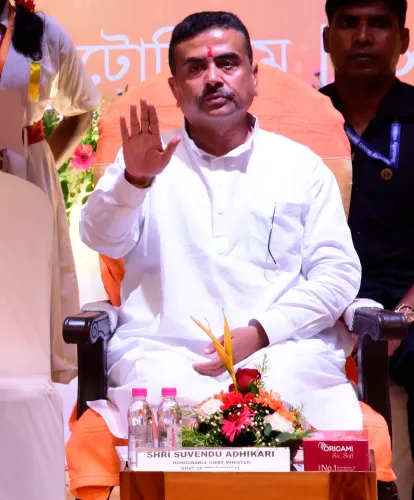
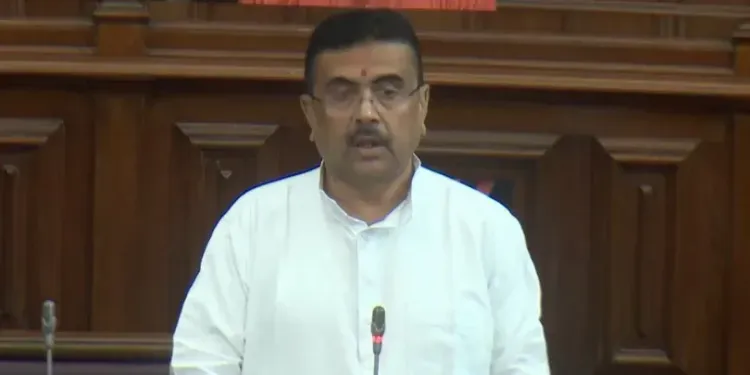
West Bengal Chief Minister Suvendu Adhikari on Monday, 20 July announced in the state Assembly that Bengali will become the compulsory official language across all government departments in West Bengal, effective 1 September. The announcement came on the opening day of the extended Budget Session and follows a formal letter from Union Home Minister Amit Shah urging greater institutional use of the language.
What Was Announced
Adhikari read out Shah's letter on the floor of the House before declaring the decision. Bengali will be mandatory in all official correspondence, government notifications, and communications at police stations across the state. The Chief Minister noted that a transition period of approximately one and a half months was necessary to complete translations and prepare the administrative machinery.
'It will take the next one and a half months to properly translate everything that is needed to make the work easier. The government will do that work,' Adhikari said.
The Letter From the Centre
Home Minister Amit Shah had visited West Bengal for a three-day visit the previous week. During a function in Kolkata on Sunday in Shah's presence, Adhikari confirmed that a letter had been received but declined to disclose its contents, promising to address the Assembly first. He kept that commitment when the session opened at 11 am on Monday.
The directive from Shah, as read out in the House, recommended expanding the use of Bengali within state government functioning — a suggestion the state government has now translated into a formal policy mandate.
Scope of the Language Mandate
The Bengali language mandate will cover the full spectrum of state government operations — from inter-departmental letters and public notifications to police station-level communications. Officials will have until 1 September to operationalise the shift, with the government undertaking the translation work in the interim.
This move is notable in the context of ongoing debates around linguistic identity and administrative efficiency in multilingual states. West Bengal has a substantial Bengali-speaking majority, but government departments have historically used English alongside Bengali in official communications.
Political and Administrative Context
The announcement carries political weight, coming as it does on the strength of a letter from the Union Home Ministry — signalling Centre-state alignment on the language question at a time when the Bharatiya Janata Party (BJP)-led state government has sought to consolidate its identity politics. Critics and opposition members are likely to scrutinise whether the mandate will create practical barriers for non-Bengali-speaking communities and minority groups in accessing government services.
The state administration is expected to issue formal orders and departmental guidelines ahead of the 1 September deadline.
Point of View
Not merely an administrative reform. Bengali linguistic pride has long been a potent electoral currency in West Bengal, and the BJP is now planting its flag on that terrain. The practical challenge is real: mandatory Bengali in police stations and notifications could disadvantage communities in border districts where Hindi, Urdu, or Santali are primary languages. The government has not addressed that dimension, and mainstream coverage has largely missed it.
NationPress
20 Oct 2026
Frequently Asked Questions
What has West Bengal decided about Bengali as an official language?
West Bengal has made Bengali the mandatory official language for all state government departments, effective 1 September. The decision was announced by Chief Minister Suvendu Adhikari in the Assembly on 20 July, following a letter from Union Home Minister Amit Shah.
Why did Amit Shah write to the West Bengal Chief Minister about Bengali?
Home Minister Amit Shah, during a three-day visit to West Bengal, wrote to Chief Minister Adhikari suggesting measures to expand the use of Bengali in government functioning. The Chief Minister read the letter on the floor of the Assembly before announcing the policy.
Which areas of government will the Bengali language mandate cover?
The mandate covers all official letters, government notifications, and police station communications across West Bengal. Every state government department is required to switch to Bengali as the primary official language by 1 September.
Why is the implementation starting from 1 September and not immediately?
The government requires approximately one and a half months to translate necessary documents and prepare the administrative framework. Chief Minister Adhikari stated that the government will undertake this translation work before the 1 September deadline.
What is the political significance of this announcement?
The announcement signals alignment between the BJP-led West Bengal state government and the Centre on the question of Bengali linguistic identity. It came on the first day of the extended Budget Session, giving it maximum legislative visibility, and follows a high-profile visit by the Union Home Minister.