Bharat Innovates 2026: India earns Silicon Valley respect in AI and startups
Synopsis
India's innovation story has crossed a threshold — Silicon Valley is no longer just outsourcing to India, it is investing in it. With 100 handpicked startups set to take the stage at a Modi-Macron co-inaugurated summit in France, Bharat Innovates 2026 marks the moment India's startup ecosystem steps onto the global main stage, backed by AI, fintech, and space tech momentum that even veteran Valley investors say they did not see coming.
Key Takeaways
Entrepreneur and investor Shashi Tripathi says India has earned 'tremendous respect' in Silicon Valley over the past five years.
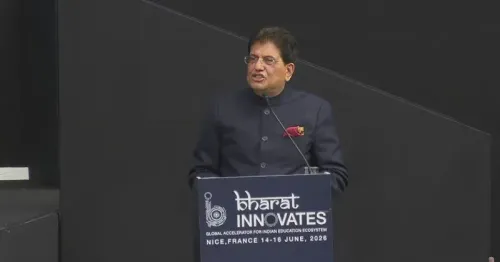
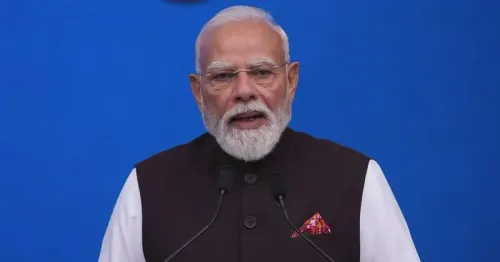
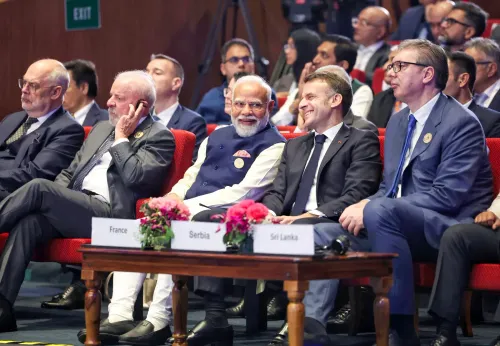
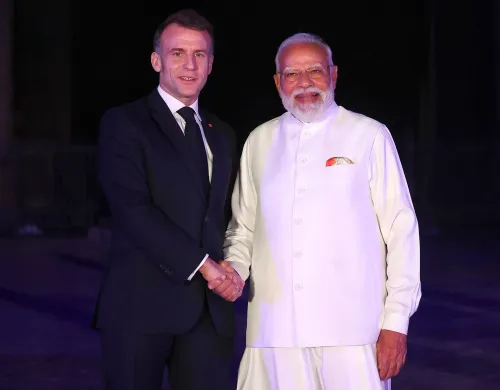
Bharat Innovates 2026 summit in France will feature 100 Indian startups and be co-inaugurated by PM Narendra Modi and French President Emmanuel Macron .
Sectors driving the shift include artificial intelligence , fintech , space technology , and retail technology .
Silicon Valley venture capital and global tech firms are increasing investment in India, according to Tripathi.
Innovation is expanding beyond metros into tier-two and tier-three cities , broadening economic participation.
IITs and PM Modi's startup policy push are credited as key drivers of the ecosystem's rise.
India's innovation ecosystem has earned 'tremendous respect' in Silicon Valley over the past five years, driven by a rapid expansion in startups, artificial intelligence ventures, and surging global investment, entrepreneur and investor Shashi Tripathi said ahead of the 'Bharat Innovates 2026' summit scheduled in France. Tripathi, speaking to reporters on 13 June, said India's transformation from a technology services hub to a full-spectrum innovation centre has fundamentally shifted how the Valley perceives the country.
What Bharat Innovates 2026 Will Showcase
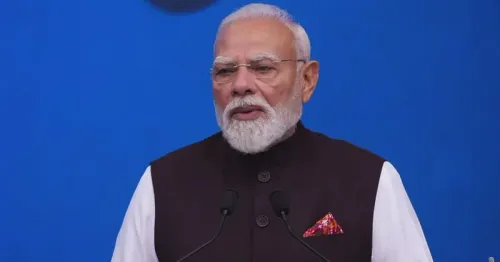
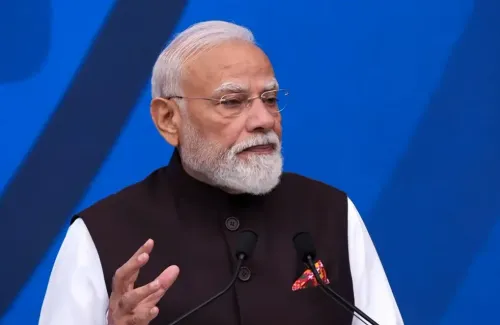
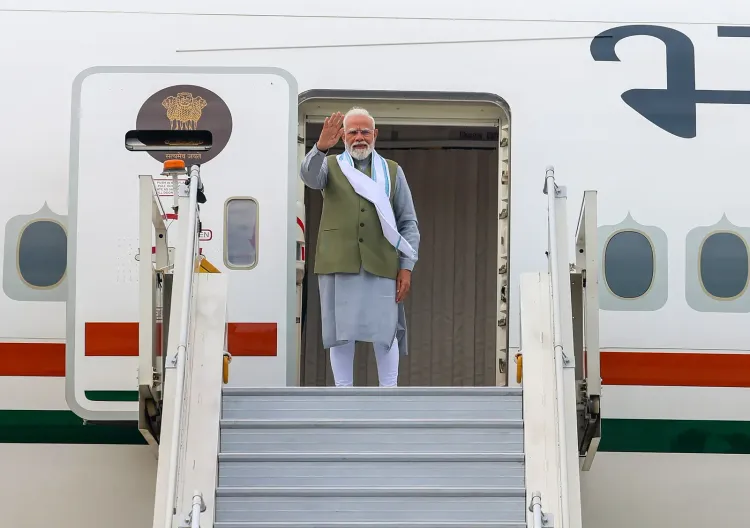
The 'Bharat Innovates 2026' summit is set to be inaugurated by Prime Minister Narendra Modi and French President Emmanuel Macron, and will feature 100 Indian startups selected through a competitive process. Tripathi described the event as a reflection of India's growing stature as a global centre for entrepreneurship and technology. The selected startups span sectors including artificial intelligence, fintech, health technology, and advanced engineering. 'These are very top-notch startups,' Tripathi said. 'These are very high-quality startups.'
Silicon Valley's Changing View of India
According to Tripathi, the shift in perception has been marked and measurable. 'What India has done is phenomenal in many areas around AI, around technology, around overall innovations,' he said, adding that 'the respect for India has gone up significantly when it comes to innovation.' He pointed to emerging sectors — including space technology, retail technology, and fintech — as evidence that Indian entrepreneurs are no longer confined to traditional IT services. 'New space technologies are being created in India. New fintechs are coming. New retail models are being created,' he said.
Investment Surge and Cultural Shift
Tripathi noted that the innovation momentum has attracted substantial capital from Silicon Valley venture capital firms and global technology companies. 'A lot of new investments are being grown into India from Silicon Valley,' he said, attributing the flow to the breadth of innovation emerging from the country. He also highlighted a generational cultural shift: where entrepreneurship was once considered a risky outlier path, it has become aspirational for young graduates. 'I remember when I graduated, I couldn't even phantom to start a company right out of my graduation,' he said. Today, he noted, students are launching ventures before completing their degrees, and the acceptance of failure as part of the innovation cycle has taken hold. 'Failure has been accepted now, and until you fail, you cannot innovate,' he said.
Role of Government, IITs, and Tier-2 Cities
Tripathi credited Prime Minister Modi with playing a foundational role in building India's startup culture. 'I will give him the credit about cultivating and starting the startup ecosystem. He has played a huge role,' he said. The Indian Institutes of Technology (IITs) were also singled out as critical contributors, producing a disproportionate share of startup founders and technology leaders. Notably, Tripathi said innovation is increasingly emerging from tier-two and tier-three cities, broadening India's economic participation beyond its metropolitan centres.
What India Must Do Next
Despite the progress, Tripathi urged India to set more ambitious targets if it aims to compete with the world's leading innovation ecosystems. 'India has now the talent, the capacity, the audacity to complete new innovation,' he said. 'India can do it.' He called for deeper collaboration among government, industry, and academic institutions, and said the 'Bharat Innovates 2026' summit itself represents an important step toward integrating Indian startups into global markets and technology networks. 'Collaboration is needed. Learning what's going on, comparing ourselves to the rest of the world is important,' he said. India is home to one of the world's largest startup ecosystems, with thousands of ventures operating across software, fintech, healthcare, clean energy, and artificial intelligence — and government initiatives over the past decade have progressively improved access to funding, incubation, and mentorship.
Point of View
And India's startup funding in 2024-25 remained well below its 2021-22 peak. The Bharat Innovates 2026 summit is a high-visibility diplomatic moment, but the structural question is whether 100 curated showcases translate into sustained deal flow or remain a prestige exercise. India's tier-two city innovation narrative is compelling, but without reliable data on funding distribution beyond Bengaluru, Mumbai, and Delhi-NCR, it risks being more aspiration than fact. The Modi-Macron co-inauguration signals geopolitical alignment, but the harder work — IP protection, regulatory ease, and deep tech infrastructure — is where India's global innovation credibility will ultimately be won or lost.
NationPress
19 Sept 2026
Frequently Asked Questions
What is the Bharat Innovates 2026 summit?
Bharat Innovates 2026 is an international innovation summit to be held in France, co-inaugurated by Prime Minister Narendra Modi and French President Emmanuel Macron. It will showcase 100 Indian startups selected through a competitive process, representing sectors including AI, fintech, health technology, and advanced engineering.
Why does Silicon Valley now respect India's innovation ecosystem?
According to entrepreneur and investor Shashi Tripathi, India's shift from traditional IT services into AI, fintech, space technology, and retail innovation has fundamentally changed how Silicon Valley views the country. He says both the quality of startups and the volume of inbound investment from Valley firms have grown significantly over the past five years.
Who is Shashi Tripathi and why does his view matter?
Shashi Tripathi is an entrepreneur and investor with visibility across both the Indian startup ecosystem and Silicon Valley. His remarks, made ahead of the Bharat Innovates 2026 summit, reflect a practitioner's perspective on how global investor sentiment toward India has evolved.
How is India's startup culture changing according to Tripathi?
Tripathi points to a generational shift in which entrepreneurship has become aspirational rather than risky for young Indians, with students now launching startups before completing degrees. He also notes that the acceptance of failure as a learning tool — once culturally uncommon in India — is now embedded in the ecosystem.
What role have IITs and PM Modi played in India's startup rise?
Tripathi credited the Indian Institutes of Technology with producing a disproportionate share of startup founders and technology leaders, and singled out PM Modi for cultivating the policy environment that enabled the ecosystem to grow. He also noted that innovation is now emerging from tier-two and tier-three cities, not just India's largest metros.