Bhupender Yadav lands in Antalya for COP31 climate talks
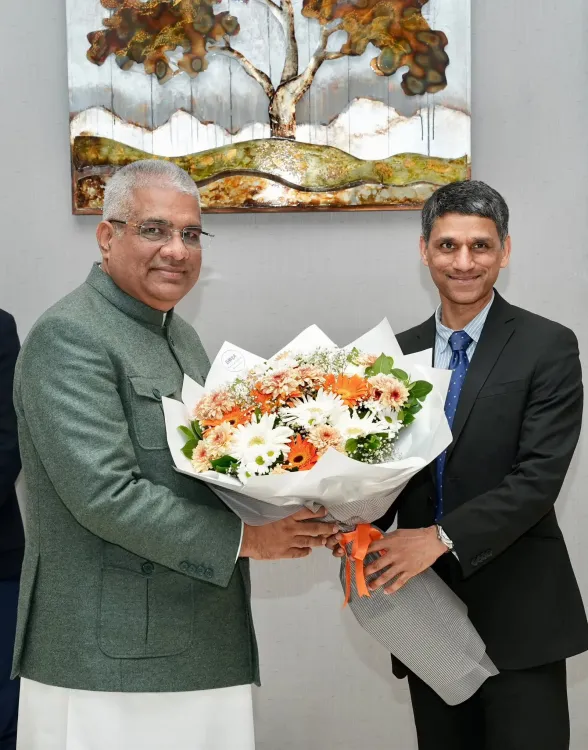
Synopsis
Union Environment Minister Bhupender Yadav has arrived in Antalya, Türkiye for COP31, where India will advocate for climate equity, adaptation finance, and technology transfer while showcasing domestic milestones including its 2022 updated NDCs and net-zero pledge by 2070.
Key Takeaways
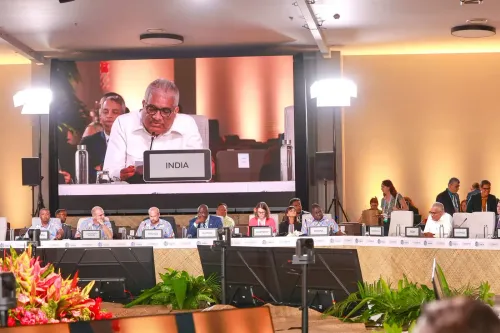
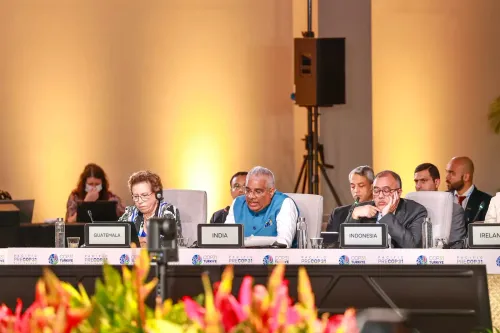
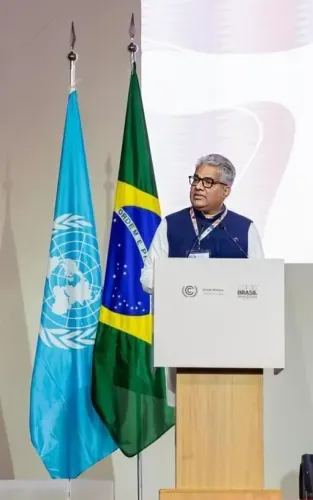
Bhupender Yadav arrived in Antalya, Türkiye on 16 November 2026 to represent India at COP31 .
India will engage in bilateral and multilateral discussions, pressing for climate equity and finance from developed nations.
India's updated NDCs (2022) commit to 50% non-fossil fuel electricity capacity by 2030 and a 45% emission intensity reduction from 2005 levels.
India's overarching climate pledge — the Panchamrit strategy announced at COP26 in Glasgow (2021) — includes a net-zero target by 2070 .
Key issues to watch include adaptation finance , the loss-and-damage fund , and any new bilateral climate partnerships India may announce at Antalya.
India's climate diplomacy takes centre stage this week as Union Environment Minister Bhupender Yadav touched down in Antalya, Türkiye for the 31st Conference of the Parties (COP31) to the UN Framework Convention on Climate Change, signalling New Delhi's intent to press its positions on equity, finance, and technology transfer on the world's most consequential climate stage.
India's arrival in Antalya — and what it's carrying to the table
Yadav announced his arrival on Monday, 16 November 2026, confirming that the coming days would be filled with both bilateral and multilateral engagements. 'Through domestic action and international partnerships, India remains firmly committed to tackling climate change,' he wrote, framing the trip as a continuation of a long-running dual strategy: ambitious action at home, assertive advocacy abroad.
India arrives at COP31 as a major developing economy carrying weight on multiple fronts. Its updated Nationally Determined Contributions (NDCs), submitted in 2022, committed to achieving 50% non-fossil fuel electricity capacity by 2030 and cutting emission intensity by 45% from 2005 levels — targets that give the delegation credibility when it demands matching ambition from wealthier nations on finance and technology transfer.
From Panchamrit to Antalya: the five-year arc
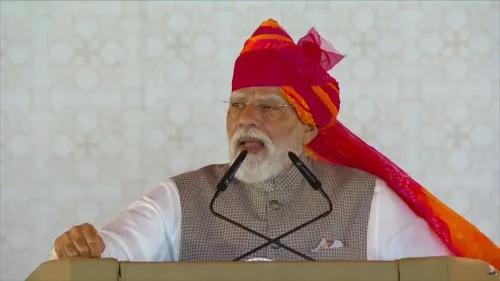
The Antalya summit is the latest chapter in a climate narrative India began scripting loudly at COP26 in Glasgow in 2021, when Prime Minister Modi unveiled the Panchamrit strategy — five interlocking pledges including a net-zero target by 2070. Each successive COP has seen India both defend that timeline against pressure for earlier commitments and push developed nations to unlock promised climate finance.
Domestically, initiatives like the International Solar Alliance and the National Green Hydrogen Mission give the Indian delegation concrete programmes to point to — not just aspirations. That track record matters in a room where credibility is currency.
Adaptation finance and loss-and-damage deals to watch
The sharpest questions heading into the Antalya sessions concern adaptation finance and the operationalisation of the loss-and-damage fund agreed at previous COPs — mechanisms that disproportionately affect vulnerable developing nations. India, speaking for itself and often alongside the broader developing-country bloc, has consistently argued that the principle of common but differentiated responsibilities must translate into hard cash, not just communiqué language.
Any new bilateral climate partnerships Yadav signs or signals during the margins of COP31 will be closely tracked as indicators of how India is broadening its coalition-building beyond the traditional G77 architecture.
The world is watching Antalya. And India, for now, has arrived.
Point of View
Solar capacity, green hydrogen — as leverage to extract finance and technology commitments from the developed world. The Antalya summit tests whether that strategy can convert soft pledges into binding mechanisms, particularly on the loss-and-damage fund. For the BJP government, strong climate diplomacy also serves a domestic purpose: projecting India as a responsible global power while deflecting pressure to accelerate the 2070 net-zero timeline. The bilateral meetings on the sidelines will reveal how effectively India is building coalitions beyond the G77.
NationPress
16 Nov 2026
Frequently Asked Questions
What is COP31 and where is it being held?
COP31 is the 31st Conference of the Parties to the UN Framework Convention on Climate Change — the annual global summit for reviewing and advancing international climate action. It is being held in Antalya, Türkiye.
Why is Bhupender Yadav attending COP31?
As India's Union Minister of Environment, Forest and Climate Change, Bhupender Yadav leads the Indian delegation at UN climate summits. He will present India's positions and engage in bilateral and multilateral discussions at COP31.
What are India's key climate targets under its updated NDCs?
India's 2022 updated NDCs commit to achieving 50% non-fossil fuel electricity capacity by 2030 and reducing emission intensity by 45% from 2005 levels, alongside a net-zero target by 2070.
What is the Panchamrit climate strategy India announced at COP26?
Panchamrit is India's five-pronged climate pledge announced at COP26 in Glasgow in 2021, which includes reaching net-zero emissions by 2070, achieving 50% renewable energy capacity by 2030, and reducing emission intensity significantly from 2005 levels.
What will India push for at COP31 in Antalya?
India is expected to advocate for greater adaptation finance, operationalisation of the loss-and-damage fund, and technology transfer from developed nations, grounded in the principle of common but differentiated responsibilities.