PM Modi sets 100 GW nuclear target, 5 new reactors in 80th Independence Day address
Synopsis
Modi used India's 80th Independence Day to set his most ambitious energy target yet — 100 GW of nuclear power by 2047, backed by five new reactors. Paired with a 10-fold piped gas expansion, 107 GW of solar, complete railway electrification, and a hydrogen train launch, the Red Fort address was less a speech and more a national energy manifesto.
Key Takeaways
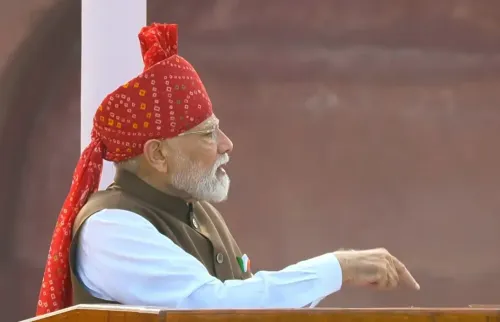
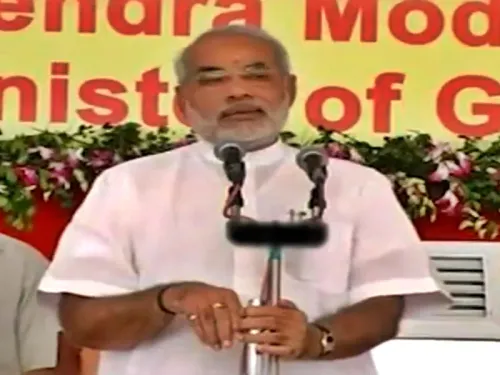
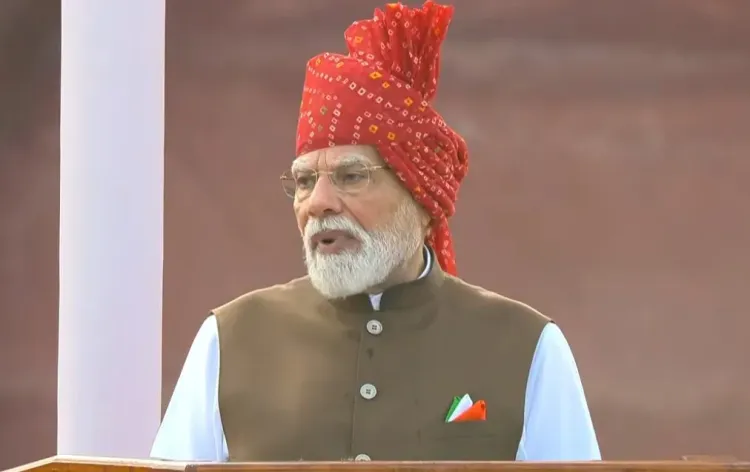
PM Modi addressed the nation from the Red Fort on 15 August 2025 , India's 80th Independence Day .
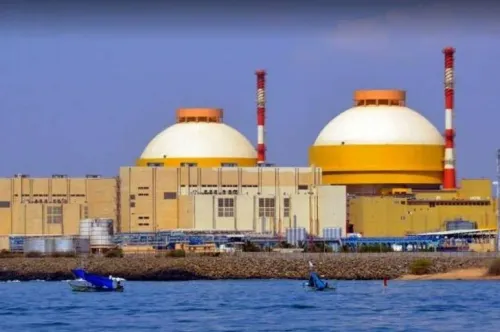
India targets 100 GW of nuclear power capacity by 2047 ; work on five new nuclear reactors to begin soon.
Piped gas access expanded from 70 cities to 700 cities in 12 years ; nearly 2 crore households now connected.
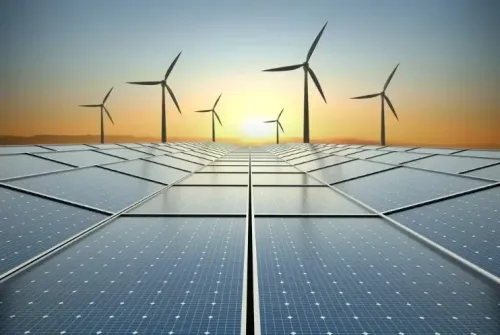
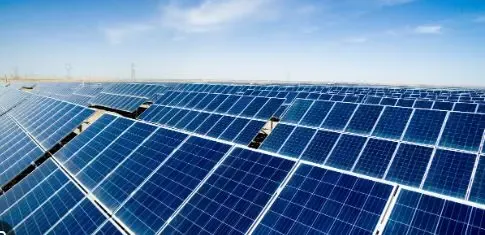
Solar capacity grew from 2 GW to 107 GW ; rooftop solar scheme covering 50 lakh homes completed.
Railway network reached 100% electrification after 90 years at 30% — completed in the last 10 years .
India launched its first hydrogen-powered train ; 99% of offshore 'no-go zones' opened for exploration.
Prime Minister Narendra Modi on 15 August 2025 laid out a sweeping development roadmap from the ramparts of the Red Fort on India's 80th Independence Day, anchoring his address around bold national targets in nuclear energy, deep-sea exploration, solar power, railway electrification, and hydrogen technology. The overarching vision, he said, is building a Viksit Bharat by 2047 — and the prerequisite is thinking at scale.
'Big dreams increase the pace of progress,' Modi told the nation. 'When the resolve is firm, possibilities find their own way.'
Nuclear Energy: 100 GW Target and Five New Reactors
The most headline-grabbing announcement was India's nuclear energy ambition. Modi declared a target of 100 GW of nuclear power capacity by 2047 and confirmed that work on five new nuclear reactors would begin imminently. He also cited progress on Atmanirbharta — self-reliance — in nuclear technology, saying India had achieved new heights in the sector this year. India's current installed nuclear capacity stands at roughly 7.5 GW, making the 2047 target a more than 13-fold expansion — an ambition that would require sustained policy, financing, and regulatory momentum over two decades.
Deep-Sea and Offshore Exploration Unlocked
Modi announced a significant policy reversal on offshore resource exploration, stating that 99 per cent of India's coastal and offshore areas previously designated as 'no-go zones' have now been reclassified as 'go-ahead areas'. 'Our coastline was left without exploration,' he said, framing the move as a long-overdue correction. The government is also pushing into deep-sea exploration, a domain India has invested in through its Deep Ocean Mission, which targets mineral-rich seabed resources and marine biodiversity research.
Energy Security: From 70 to 700 Cities on Piped Gas, Solar at 107 GW
Modi pointed to rapid strides in energy infrastructure as evidence of execution speed. Piped gas coverage has expanded from 70 cities before 2014 to 700 cities today — a 10-fold increase in 12 years — with nearly 2 crore households now receiving gas through pipelines. On solar, India's installed capacity has grown from 2 GW to 107 GW, and the rooftop solar scheme targeting 50 lakh homes has been completed. Each beneficiary household is reportedly receiving government assistance of around ₹80,000, with many households effectively freed from electricity bills.
Railways Fully Electrified; Hydrogen Train Launched
Modi highlighted a generational shift in railway electrification. From 1925 to 2014 — a span of 90 years — only 30 per cent of the rail network had been electrified. The remaining 70 per cent was completed in the subsequent 10 years, bringing the network to 100 per cent electrification. Separately, India has launched its first hydrogen-powered train, which Modi described as a first-of-its-kind milestone that places India among a small group of nations operating hydrogen rail technology.
The Viksit Bharat Vision: What It All Adds Up To
Taken together, the announcements form the scaffolding of Modi's Viksit Bharat 2047 agenda — a developed-India target timed to the centenary of Independence. The common thread across sectors is technological self-reliance paired with accelerated infrastructure rollout. Notably, this is the third consecutive Independence Day address in which Modi has used the Red Fort platform to announce major energy and infrastructure milestones, signalling that the annual address has become a de facto policy launch event. Industry bodies and energy sector observers will now watch for follow-through in the Union Budget cycle and sector-specific policy orders.
Point of View
Constrained by land acquisition, fuel supply agreements, and regulatory timelines that dwarf any political cycle. The offshore 'no-go to go-ahead' reversal is significant but largely unquantified; its impact depends on what exploration actually finds and how fast licensing moves. The solar and piped gas numbers are real and verifiable, but the hydrogen train and deep-sea push remain at demonstration stage. The Red Fort has become Modi's annual policy launchpad — the question mainstream coverage rarely asks is which of last year's Red Fort announcements have since moved from announcement to implementation.
NationPress
15 Aug 2026
Frequently Asked Questions
What nuclear energy target did PM Modi announce on Independence Day 2025?
PM Modi announced a target of 100 GW of nuclear power capacity by 2047 and confirmed that five new nuclear reactors would be commissioned. India's current nuclear capacity is approximately 7.5 GW, making this a more than 13-fold expansion over roughly two decades.
What is India's current solar power capacity as of Independence Day 2025?
India's installed solar energy capacity has reached 107 GW, up from just 2 GW before 2014, according to figures cited by PM Modi in his Independence Day address. The rooftop solar scheme targeting 50 lakh homes has also been completed.
What did Modi say about railway electrification?
Modi stated that India's rail network is now 100 per cent electrified. Only 30 per cent of the network had been electrified in the 90 years between 1925 and 2014; the remaining 70 per cent was completed in the subsequent 10 years.
What is the Viksit Bharat 2047 vision Modi referred to?
Viksit Bharat 2047 is the government's overarching goal of making India a developed nation by 2047, the centenary of its Independence. It encompasses targets across energy, infrastructure, technology self-reliance, and economic growth, with the Independence Day address serving as an annual progress and target update.
What did Modi announce about offshore and deep-sea exploration?
Modi announced that 99 per cent of India's coastal and offshore areas previously classified as 'no-go zones' have been reclassified as 'go-ahead areas', opening them to resource exploration. The government is also advancing into deep-sea exploration as part of its energy security push.