PM Modi targets 100 GW nuclear power, 50 Fortune 500 firms by 2047
Synopsis
From the Red Fort, Modi didn't just celebrate — he set the scoreboard for 2047. A 100 GW nuclear target, 50 Fortune 500 companies, an Indian bank in the global top five, and 7-8 semiconductor plants in under two years: the Independence Day address was less a speech and more a national KPI list, anchored by a landmark claim of mastery in Fast Breeder Nuclear Technology.
Key Takeaways
PM Modi called for 100 GW of nuclear power capacity and 50 Indian companies in the Fortune 500 list by 2047 .
India plans to commission five new nuclear reactors in the next 6-7 years .
India achieved mastery in Fast Breeder Nuclear Technology in 2025 , a milestone toward nuclear fuel self-reliance.
Solar capacity has grown from 2 GW in 2014 to 160 GW ; piped gas coverage expanded from 70 to 700 cities .
More than 50 lakh households have adopted rooftop solar under PM Surya Ghar: Muft Bijli Yojana .
Modi unveiled the 'Sapta Dhara' (Seven Streams) framework to guide India's next phase of growth toward Viksit Bharat .
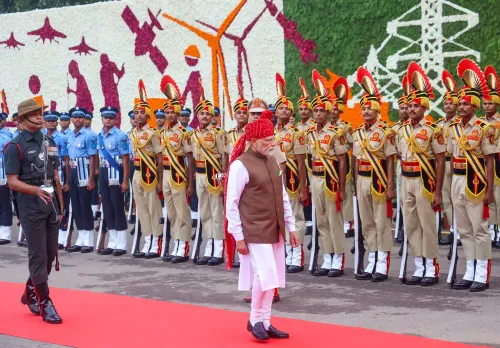
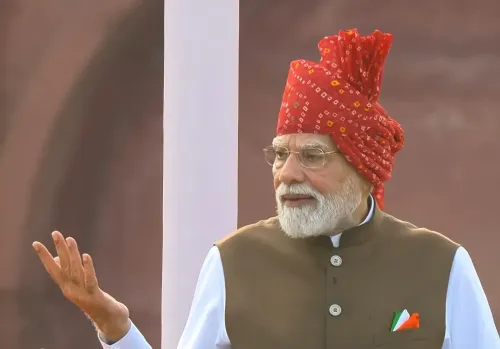
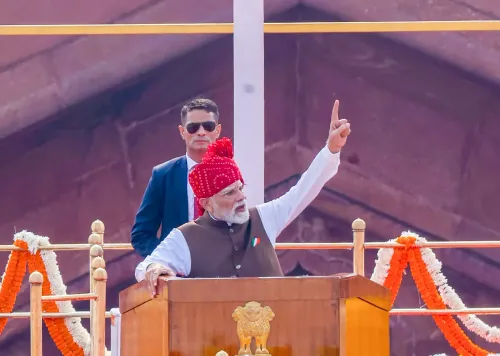
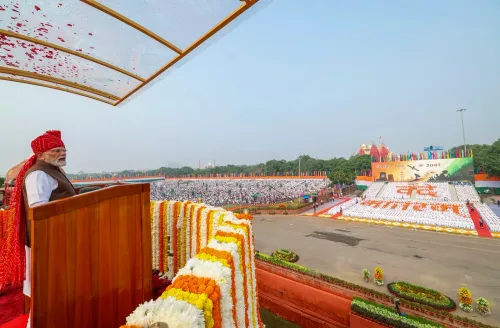
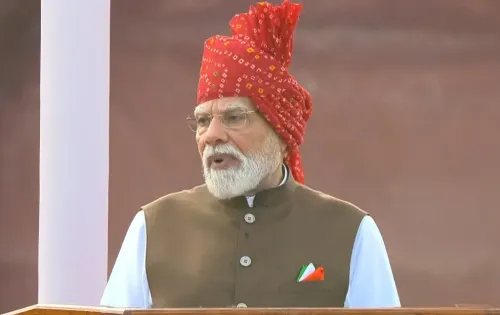
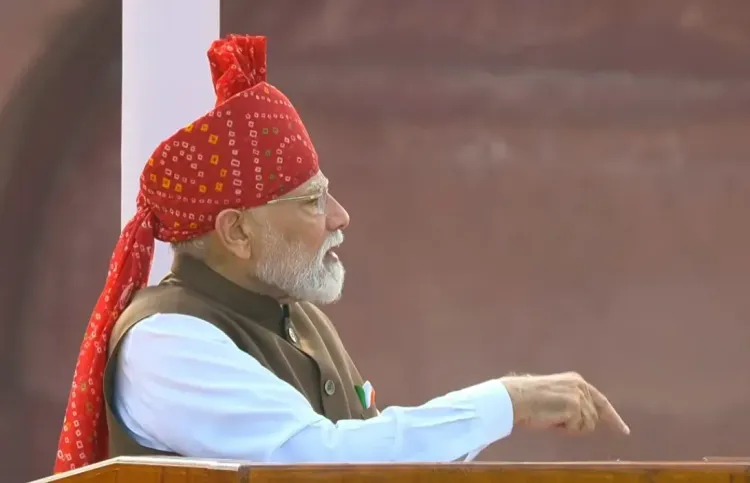
Prime Minister Narendra Modi on 15 August 2025 set out an ambitious long-term economic vision from the ramparts of the Red Fort, calling for 100 gigawatts of nuclear power capacity, 50 Indian companies in the Fortune 500 list, and an Indian bank among the global top five by 2047. Delivering his Independence Day address, the Prime Minister also announced plans for 7-8 new semiconductor plants in the next 1-2 years.
Nuclear Ambitions at the Centre
Modi said India is moving ahead with the commissioning and operationalisation of five new nuclear reactors over the next 6-7 years as a stepping stone toward the 100 GW target. He highlighted a landmark achievement in the country's atomic energy programme: India has this year attained mastery in Fast Breeder Nuclear Technology, which he described as a crucial milestone on the path to self-reliance in nuclear fuel. 'This year, India has achieved mastery in Fast Breeder Nuclear Technology, marking a crucial milestone. As a result, we have taken a major, successful leap forward on the path towards achieving self-reliance in nuclear fuel,' Modi said.
Semiconductor and Manufacturing Push
The Prime Minister stressed that India must build the entire value chain domestically, moving beyond assembly to design and complex manufacturing. 'We need components as well as complete manufacturing, complex products. From design to manufacturing, India must become a trusted centre of the global supply chain,' he said. The call for 7-8 semiconductor plants within 1-2 years signals an acceleration of India's chip ambitions at a time when global supply chain realignment is creating new openings for emerging economies.
Energy Infrastructure: Solar and Piped Gas
Modi cited sweeping gains in clean energy and household energy access since 2014. Piped gas coverage expanded from 70 cities before 2014 to 700 cities today, while households receiving piped gas rose from roughly 20-22 lakh to nearly 1.75 crore. India's solar energy capacity surged from just 2 GW in 2014 to 160 GW at present. The PM Surya Ghar: Muft Bijli Yojana has brought rooftop solar to more than 50 lakh households, with rollout continuing at pace.
Sapta Dhara: Seven Streams of Growth
Modi also unveiled the concept of 'Sapta Dhara' — or Seven Streams — identifying seven strategic areas he said would provide India the momentum to achieve the next level of growth and realise the vision of a 'Viksit Bharat' (Developed India) by 2047. The seven streams were not individually named in his address, but the framework is expected to anchor policy planning across ministries in the coming years.
What Comes Next
The targets set from the Red Fort — nuclear capacity, Fortune 500 representation, semiconductor scale-up — are aspirational markers tied to India's centenary as a republic. Whether they translate into binding policy timelines and budgetary commitments will become clearer when the government releases follow-up sectoral roadmaps. Industry observers will be watching for concrete implementation frameworks, particularly for the semiconductor and nuclear sectors, where execution has historically lagged ambition.
Point of View
Regulatory, and fuel-supply bottlenecks are resolved in parallel. The Fortune 500 and top-five bank targets are even more structurally ambitious: India currently has fewer than 10 Fortune 500 entrants, and no Indian bank ranks in the global top 20 by assets. The Fast Breeder Technology claim is the most concrete and verifiable element of the speech — if it holds, it genuinely changes India's long-term nuclear fuel calculus. The 'Sapta Dhara' framework, meanwhile, risks becoming another branding exercise unless ministries are assigned measurable deliverables against each stream.
NationPress
29 Sept 2026
Frequently Asked Questions
What are PM Modi's key targets for India by 2047?
Modi has set targets of 100 GW of nuclear power capacity, 50 Indian companies in the Fortune 500 list, and an Indian bank among the global top five by 2047. He also called for 7-8 new semiconductor plants within the next 1-2 years as part of India's Viksit Bharat vision.
What is Fast Breeder Nuclear Technology and why does it matter?
Fast Breeder Reactor technology allows nuclear reactors to generate more fissile material than they consume, enabling a country to become self-reliant in nuclear fuel over time. Modi announced that India achieved mastery in this technology in 2025, which he described as a crucial milestone toward nuclear fuel self-sufficiency.
How many new nuclear reactors is India planning to build?
India plans to commission and operationalise five new nuclear reactors over the next 6-7 years, as a step toward the long-term goal of 100 GW of nuclear capacity by 2047.
What is 'Sapta Dhara' as announced by PM Modi?
'Sapta Dhara,' meaning Seven Streams, is a framework unveiled by Modi identifying seven strategic areas of national strength intended to drive India's growth toward a Viksit Bharat by 2047. Specific details of the seven streams were not individually enumerated in the Independence Day address.
How has India's solar and gas infrastructure changed since 2014?
India's solar capacity grew from 2 GW in 2014 to 160 GW, while piped gas coverage expanded from 70 to 700 cities and household piped gas connections rose from 20-22 lakh to nearly 1.75 crore. Over 50 lakh households have adopted rooftop solar under the PM Surya Ghar: Muft Bijli Yojana.