Bihar CM Samrat Choudhary Clears PPP Upgrade of 31 Bus Stands
Synopsis
Bihar's cabinet has granted in-principle approval to redevelop 31 bus stands across the state on a PPP model, covering cities from Patna to Kishanganj, with plans for digital services, modern waiting areas, and green transport facilities.
Key Takeaways
31 bus stands across Bihar have received in-principle cabinet approval for modernisation under a PPP model .
Named districts include Patna, Muzaffarpur, Bhagalpur, Gaya, Darbhanga, Purnia, Munger, Katihar, Saharsa, Nawada, Madhubani, and Kishanganj .
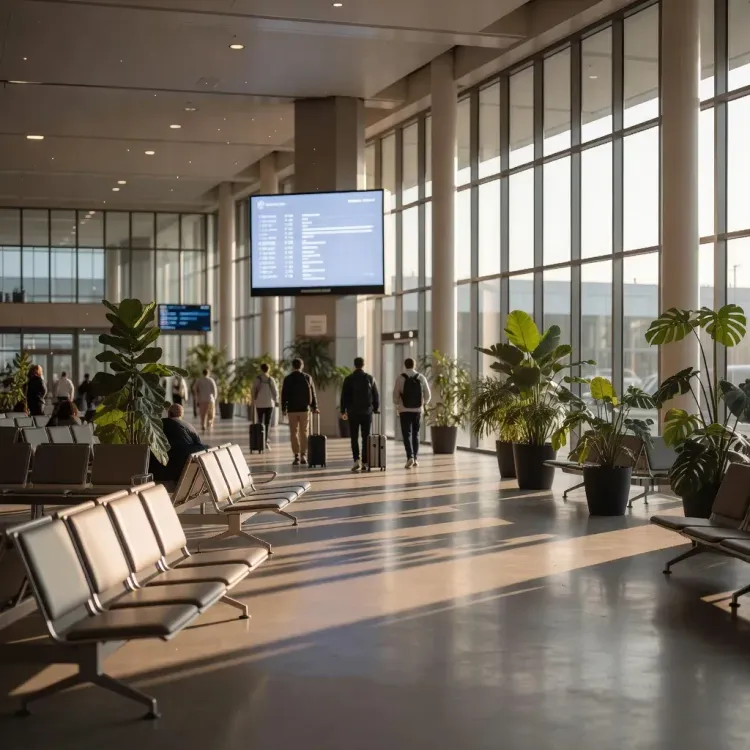
Planned facilities include modern passenger waiting areas, parking, commercial spaces, digital services, sanitation, and improved traffic management.
The initiative is framed under the national Viksit Bharat goal for upgraded civic and green mobility infrastructure.
Approval is in-principle ; tender issuance and SPV formation are the next procedural steps.
The project follows a broader Indian trend of using PPP frameworks to modernise public transport hubs with private investment.
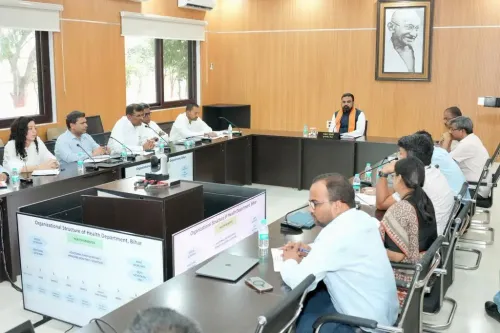
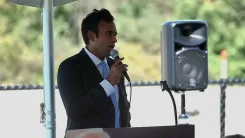
Bihar Chief Minister Samrat Choudhary announced on Wednesday, 1 July 2026 that the state cabinet has granted in-principle approval to modernise 31 bus stands across Bihar under a Public-Private Partnership (PPP) model, aiming to deliver safer, greener, and more efficient public transport infrastructure.
Context
Posting on X, CM Choudhary stated that the Bihar Cabinet meeting granted saiddhantik svikrti (in-principle approval) for the comprehensive development of 31 bus stands across the state. The decision is framed as a step toward strengthening 'modern, safe, and environment-friendly public transport.' Districts named in the approval include Patna, Muzaffarpur, Bhagalpur, Gaya, Darbhanga, Purnia, Munger, Katihar, Saharsa, Nawada, Madhubani, and Kishanganj, among others.
Policy Backdrop
Bihar has previously employed PPP frameworks for roads and urban facilities, but this cabinet decision marks one of the more expansive applications of the model to public transport hubs in the state. The upgrades are planned to include modern passenger waiting areas, parking facilities, commercial spaces, digital services, sanitation infrastructure, and improved traffic management systems. The initiative carries the hashtags #विकसित_भारत and #समृद्ध_बिहार, explicitly linking it to the national Viksit Bharat development agenda and the broader NDA governance narrative. Across India, states have increasingly turned to PPP models to bring private capital and operational efficiency into bus terminal redevelopment, integrating commercial revenue streams to offset public expenditure.
Stakeholders and Impact
The most direct beneficiaries are the millions of daily bus passengers who use these terminals across Bihar's major urban and semi-urban centres. Private developers will be invited to invest in and operate the redeveloped facilities, while urban local bodies and the state transport department will retain regulatory oversight. The inclusion of digital services and green mobility features signals an intent to align Bihar's transport infrastructure with contemporary standards seen in more developed states. Smaller district towns such as Saharsa, Nawada, and Kishanganj — often overlooked in large infrastructure pushes — are explicitly named, suggesting the plan has a state-wide rather than metro-centric scope.
What's Next
The cabinet's approval is described as saiddhantik — in-principle — meaning detailed project reports, tender issuance, and formation of project-specific Special Purpose Vehicles (SPVs) under PPP guidelines remain to be executed. Observers will watch for the release of tender documents that specify the exact revenue-sharing model, private partner obligations, and completion timelines for each of the 31 bus stands. The pace of tendering will be the clearest indicator of whether this approval translates into ground-level transformation before the next electoral cycle in Bihar.
Point of View
Shifting the investment burden to private partners. By naming smaller districts like Saharsa and Kishanganj alongside Patna, the announcement is designed to project equitable development — a recurring electoral message in Bihar. The explicit alignment with 'Viksit Bharat' ties state infrastructure spending to the Centre's branding, reinforcing the NDA's cooperative federalism narrative ahead of future electoral contests. The real test, however, lies in how quickly tenders are floated and whether the PPP structure attracts credible private investment beyond the state's major urban centres.
NationPress
30 Sept 2026
Frequently Asked Questions
Which bus stands in Bihar will be modernised under the new PPP plan?
The cabinet approval covers 31 bus stands across Bihar, with named locations including Patna, Muzaffarpur, Bhagalpur, Gaya, Darbhanga, Purnia, Munger, Katihar, Saharsa, Nawada, Madhubani, and Kishanganj , among other districts.
What is a PPP model in the context of Bihar bus stand development?
A Public-Private Partnership (PPP) model means the state government provides land and regulatory oversight while private developers finance, build, and operate the facilities, typically recovering costs through commercial revenues at the terminals.
What facilities will the modernised Bihar bus stands have?
The planned upgrades include modern passenger waiting areas, parking facilities, commercial spaces, digital services, sanitation infrastructure, and improved traffic management systems.
Has Bihar's cabinet formally approved the bus stand modernisation?
The Bihar Cabinet has granted in-principle approval , which is the first formal step. Detailed project reports, tenders, and Special Purpose Vehicle formation are still to follow before construction begins.
How does Bihar's bus stand PPP plan connect to Viksit Bharat?
The project is explicitly tagged to the Viksit Bharat national development goal, aligning Bihar's state-level transport upgrades with the Centre's broader agenda for modern, green, and digitally enabled civic infrastructure.