Bihar CM chairs Bihar Museum Committee governing body meet
Synopsis
Bihar's Chief Minister chaired the Bihar Museum Committee's governing body meeting at the Bihar Museum in Patna on 23 June 2026, declaring the committee a national role model in museum development and signalling continued state focus on cultural infrastructure.
Key Takeaways
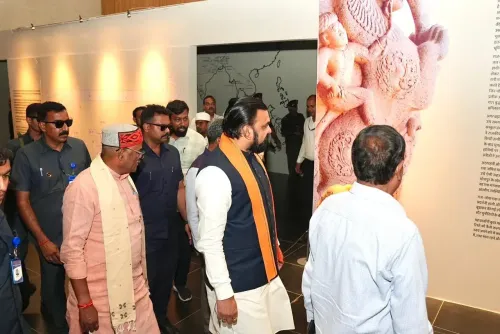
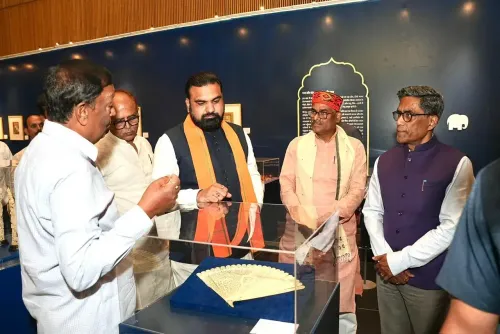
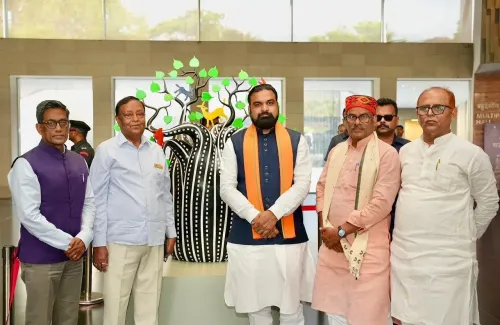
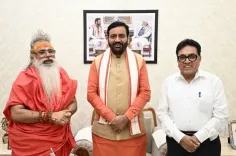
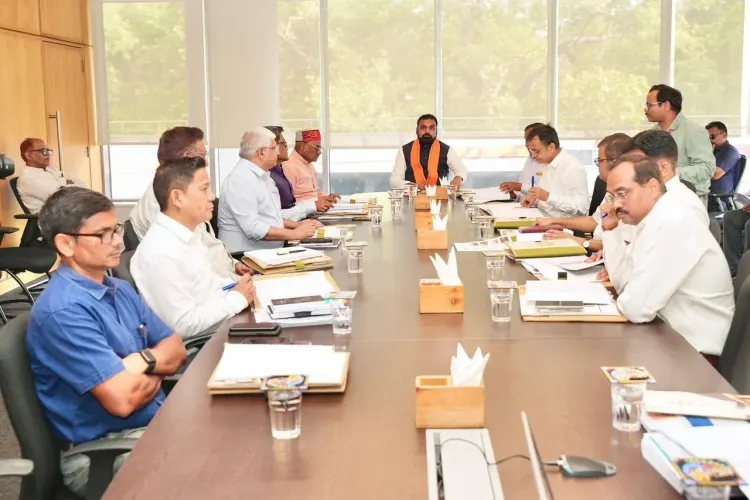
The Chief Minister of Bihar chaired the governing body meeting of the Bihar Museum Committee at the Bihar Museum, Patna on 23 June 2026 .
The Chief Minister described the Bihar Museum Committee as a 'role model' in museum development across the country .
The Bihar Museum was inaugurated in 2018 and is a flagship cultural institution showcasing the state's archaeological and historical heritage.
Bihar has consistently invested in cultural infrastructure linked to Buddhism, Jainism , and the Magadh empire as part of its tourism and education strategy.
The meeting signals possible future moves including district-level museum expansion and deeper engagement with the Union Ministry of Culture .
The Chief Minister's Office of Bihar announced on Tuesday, 23 June 2026 that the state's Chief Minister chaired the governing body meeting of the Bihar Museum Committee at the Bihar Museum in Patna. The meeting centred on the committee's growing stature as a national benchmark in museum development.
Addressing the governing body, the Chief Minister stated that the Bihar Sangrahalaya Samiti (Bihar Museum Committee) has today established itself as a 'role model' in the field of museum development across the country. The remark signals the state government's intent to project Bihar's cultural institutions as leaders in heritage management and public outreach.
Context
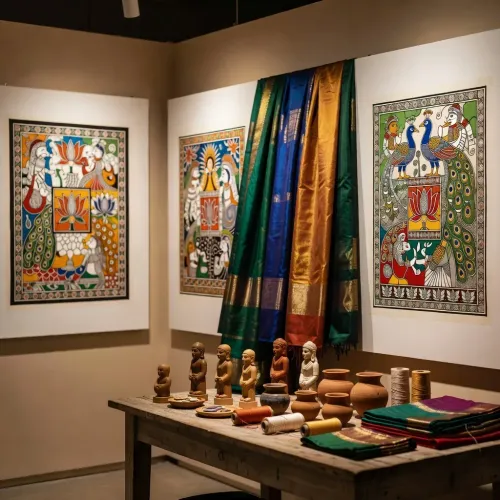
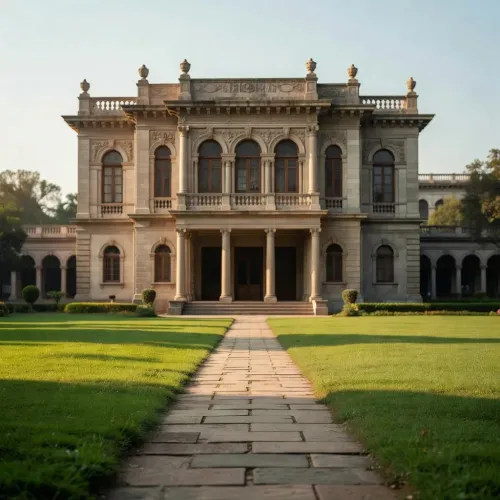
The Bihar Museum, located in Patna, was inaugurated in 2018 as a flagship cultural infrastructure project of the state government. Designed to house Bihar's rich archaeological and historical artefacts — spanning the Magadh empire, Buddhism, and Jainism — the museum was conceived to serve both domestic tourists and heritage researchers. Since its opening, the institution has drawn significant footfall and scholarly attention, positioning it among India's more contemporary museum experiences.
Policy Backdrop
Bihar's successive state administrations have progressively invested in cultural infrastructure, viewing museums as instruments of tourism growth and public education on regional history. This approach mirrors museum modernisation drives undertaken by several other states, reflecting a broader national trend of leveraging heritage sites for economic and soft-power gains. The Bihar Museum Committee, as the governing body overseeing policy and operations of state museums, has been central to this push.
The governing body meeting is a routine but significant mechanism through which the committee reviews institutional performance, approves policy directions, and plans future expansions. The Chief Minister's direct chairmanship of such a meeting underlines the political priority accorded to cultural infrastructure in the current administration's agenda.
Stakeholders and Impact
The primary beneficiaries of an elevated Bihar Museum Committee include heritage researchers, domestic and international tourists, and the state's cultural department. A stronger institutional framework could translate into better curation, wider outreach programmes, and improved visitor experience at existing facilities. For Bihar, which has long sought to convert its deep historical legacy — from Nalanda to Bodh Gaya — into sustained tourism revenue, a credible museum governance model is a strategic asset.
The Chief Minister's framing of the committee as a national 'role model' also carries diplomatic weight, potentially inviting collaboration with the Union Ministry of Culture and international cultural bodies for future projects.
What's Next
Observers will watch for concrete follow-through in the form of announcements on district-level museum expansion or formal recognition from the Union Ministry of Culture in upcoming state budget cycles or cultural policy updates. If the committee's governance model is formally acknowledged at the national level, it could unlock additional central funding and technical partnerships. The meeting's outcomes are expected to shape Bihar's cultural infrastructure roadmap for the near term.
Point of View
An area where Bihar has historically been underestimated. It fits a broader pattern of state governments competing to claim leadership in heritage tourism as a driver of identity politics and economic diversification. For Bihar, which carries the weight of ancient civilisational sites but has struggled with infrastructure perception, this kind of institutional signalling can have outsized reputational returns. The real test will be whether the committee's model produces measurable outcomes — visitor numbers, new facilities, central recognition — that justify the billing.
NationPress
24 Jun 2026
Frequently Asked Questions
What is the Bihar Museum Committee?
The Bihar Museum Committee is the governing body responsible for policy direction and operations of state museums in Bihar, including the flagship Bihar Museum in Patna.
Where is the Bihar Museum located?
The Bihar Museum is located in Patna , the capital of Bihar, and was inaugurated in 2018 to showcase the state's archaeological and historical artefacts.
What did Bihar's Chief Minister say at the museum committee meeting?
The Chief Minister stated that the Bihar Museum Committee has established itself as a 'role model' in museum development across India.
Why is Bihar investing in museum and cultural infrastructure?
Bihar governments have viewed museums as tools for tourism growth and public education, leveraging the state's deep heritage linked to Buddhism, Jainism, and the Magadh empire to drive visitor footfall and regional identity.
What could follow from the Bihar Museum Committee governing body meeting?
Possible next steps include the rollout of district-level museums and formal recognition or collaboration with the Union Ministry of Culture, which could unlock additional central funding.