Bihar CM Samrat Choudhary announces free bus travel for NEET aspirants
Synopsis
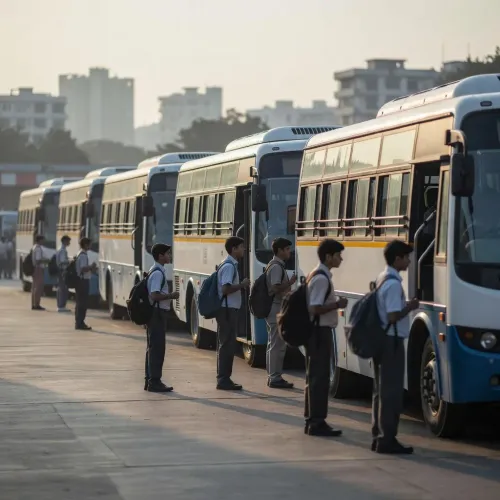
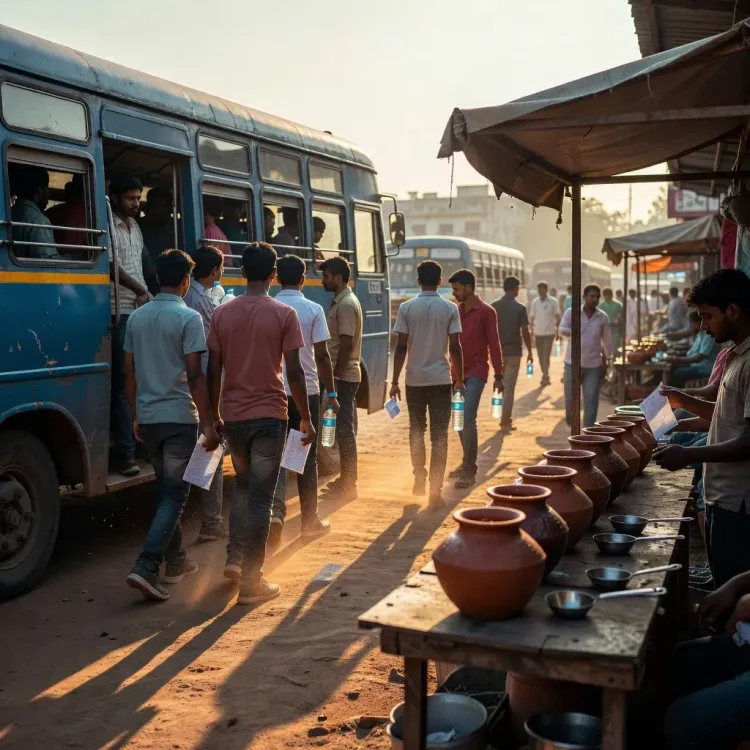
Bihar Chief Minister Samrat Choudhary announced free travel on all state government buses for NEET 2026 candidates on 23 May. He also urged district administrations, temples, and NGOs to set up drinking water and sattu stalls at bus stands and railway stations for students and parents.
Key Takeaways
Bihar CM Samrat Choudhary announced free travel on all state government buses for NEET candidates on 23 May 2026 .
The facility covers students appearing in the NEET undergraduate entrance examination conducted by the National Testing Agency .
District administrations have been asked to coordinate with temples, monasteries, and NGOs to provide drinking water and sattu at transit points.
Key locations identified include bus stands, railway stations , and other prominent public areas across Bihar.
The move follows a broader national pattern of state-level welfare support for exam candidates, which gained momentum after the 2024 NEET paper-leak controversy .
Parents accompanying candidates are explicitly included in the refreshment-support appeal.
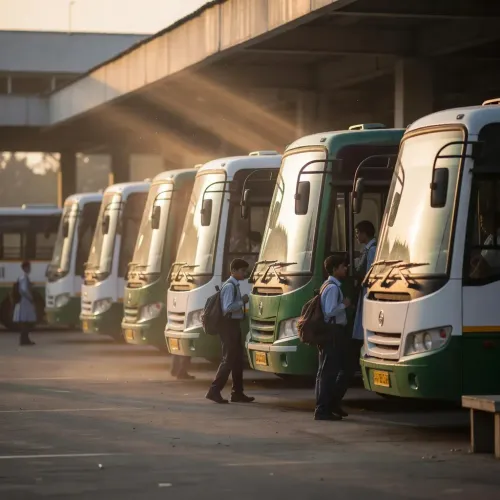
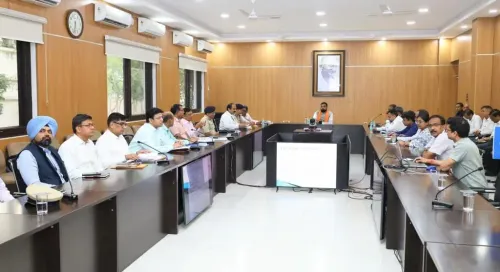
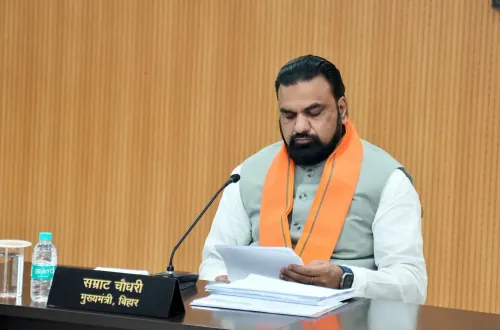
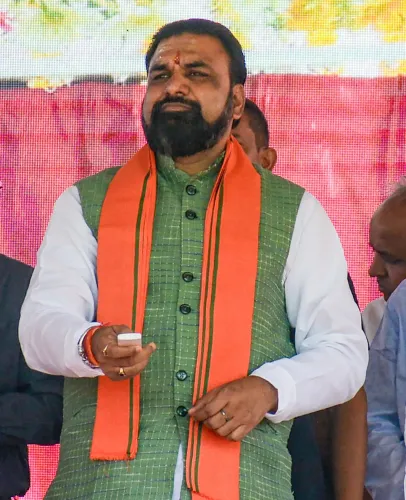
Bihar Chief Minister Samrat Choudhary on Saturday, 23 May 2026 announced that all government buses across Bihar will provide free travel to students appearing in the NEET undergraduate entrance examination, easing transport costs for thousands of aspirants and their families on exam day.
Posting in Hindi on X, the Chief Minister stated: 'NEET परीक्षा में सम्मिलित होने वाले सभी परीक्षार्थियों की सुविधा हेतु बिहार राज्य की सभी सरकारी बसों में आवागमन निःशुल्क रहेगा' ['For the convenience of all candidates appearing in the NEET examination, travel in all government buses of Bihar will be free']. He also called on district administrations, temples and monasteries, and non-governmental organisations to set up drinking water and traditional food items such as sattu at bus stands, railway stations, and other key locations for students and accompanying parents.
Context
The National Eligibility cum Entrance Test (NEET), conducted by the National Testing Agency (NTA), is the single gateway to undergraduate medical and dental admissions across India. Bihar consistently produces a large pool of NEET aspirants, many of them from rural districts who must travel significant distances to reach examination centres in district headquarters or larger towns.
For families with limited means, the combined cost of transport, food, and accommodation on exam day can be a genuine barrier. State-level logistical interventions — free buses, water kiosks, community rest points — have emerged as a low-cost way for governments to reduce that friction without touching exam policy itself.
Policy Backdrop
State support for examination logistics gained sharper political salience after 2024, when allegations of a question-paper leak in NEET triggered Supreme Court hearings and a nationwide debate on examination integrity and student welfare. Several state governments responded by announcing additional support measures for candidates, signalling solidarity with aspirants even as the central regulatory framework remained under scrutiny.
Bihar's free-bus announcement fits within this broader pattern. By mobilising the state transport network and invoking civil society — including religious institutions and NGOs — CM Choudhary is deploying existing infrastructure at minimal additional cost while projecting a welfare-oriented image ahead of exam day.
Stakeholders and Impact
The primary beneficiaries are NEET aspirants from Bihar's rural and semi-urban areas, for whom government bus connectivity is often the only affordable link to exam centres. Parents accompanying candidates — a common practice given the high-stakes nature of the exam — are explicitly included in the Chief Minister's appeal for refreshment support at transit points.
District administrations have been directed to coordinate with local temples, monasteries, and NGOs to ensure drinking water and sattu — a high-protein, low-cost staple widely consumed in Bihar — are available at bus stands and railway stations. This community-partnership model leverages existing social infrastructure rather than creating new government expenditure lines.
What's Next
The actual test of the announcement will be its on-ground rollout: whether state transport buses are adequately deployed, whether civil society partners mobilise in time, and whether students in the most remote blocks receive the benefit. Any official reporting on uptake, complaints, or logistical gaps will indicate how effectively the directive translates into ground-level support. If the model functions smoothly, it could be cited as a template by other states facing similar logistical challenges around centrally conducted entrance examinations.
Point of View
High-visibility welfare signalling that state governments deploy around high-stakes national exams. By routing support through existing state transport infrastructure and co-opting civil society institutions — temples, NGOs — the administration avoids new budgetary commitments while generating goodwill among a large, politically engaged demographic. The move also carries implicit resonance with the post-2024 NEET credibility crisis: a state government visibly standing with students can soften public frustration directed at the central examination machinery. Whether the gesture converts into measurable logistical relief will depend entirely on district-level execution.
NationPress
7 Oct 2026
Frequently Asked Questions
Will Bihar government buses be free for NEET students in 2026?
Yes. Bihar Chief Minister Samrat Choudhary announced on 23 May 2026 that all state government buses will provide free travel to candidates appearing in the NEET examination.
Who is eligible for free bus travel in Bihar for NEET?
All candidates appearing in the NEET undergraduate entrance examination are eligible for free travel on Bihar state government buses on exam day.
What refreshment facilities will be available for NEET students in Bihar?
District administrations, temples, monasteries, and NGOs have been requested to set up drinking water and sattu stalls at bus stands, railway stations, and other key locations for students and parents.
Why is Bihar providing free buses for NEET aspirants?
The initiative aims to reduce the financial and logistical burden on NEET aspirants, particularly those from rural areas who must travel to examination centres. It is part of a wider pattern of state-level support during national entrance exams.
What is sattu and why is it being provided to NEET students?
Sattu is a high-protein flour made from roasted gram, widely consumed in Bihar as an affordable and energy-giving food. It is being offered as a practical refreshment option for students and parents at transit points on exam day.