Bihar CM Office: Free IIT-JEE, NEET Coaching at 551 Saraswati Vidya Niketans
Synopsis
Bihar's Chief Minister's Office has announced free coaching for IIT-JEE, NEET, and other entrance exams at 551 Saraswati Vidya Niketans statewide, aiming to democratise access to competitive-exam preparation for students who cannot afford private coaching.
Key Takeaways
551 Saraswati Vidya Niketans across Bihar will offer free coaching for IIT-JEE , NEET , and other higher-education entrance examinations.
The announcement was made by the Chief Minister's Office of Bihar on 15 August 2026 , India's Independence Day.
The initiative extends the existing Saraswati Vidya Niketan network — originally focused on school education — into competitive-exam preparation.
The move targets students from communities priced out of private coaching, addressing a long-standing regional disparity in access to quality exam preparation.
Key metrics to watch: student enrolment at these centres, performance in upcoming JEE and NEET cycles, and state budget support for scaling the programme.
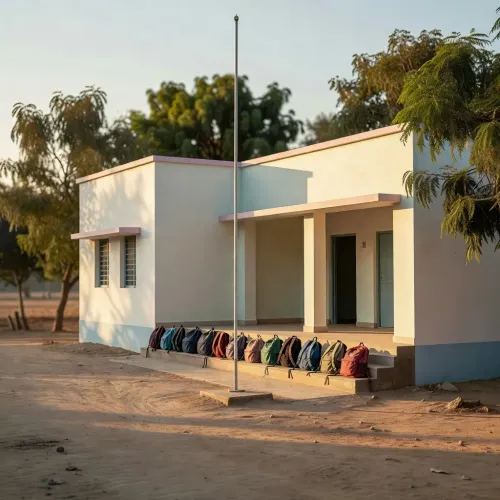
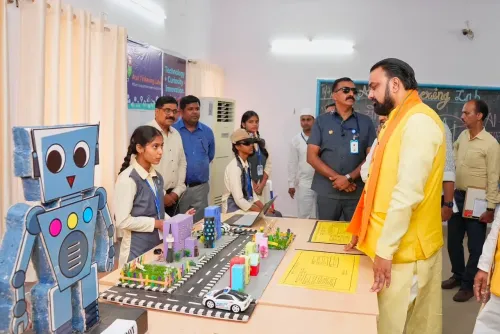
A network of 551 Saraswati Vidya Niketans across Bihar is now being equipped to offer free coaching for IIT-JEE, NEET, and other premier higher-education entrance examinations — a move that could reshape the competitive-exam landscape for thousands of students who have long been priced out of private coaching.
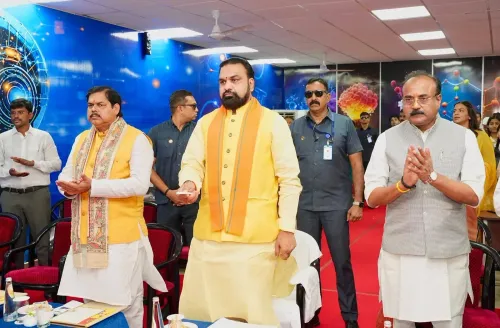
The Chief Minister's Office of Bihar announced the initiative on 15 August 2026, framing it as a significant step in the state's education agenda. The post stated: 'शिक्षा के क्षेत्र में महत्वपूर्ण पहल करते हुए राज्य में स्थापित 551 सरस्वती विद्या निकेतनों में IIT-JEE, NEET सहित विभिन्न उच्च शिक्षण संस्थानों की प्रवेश परीक्षाओं के लिए निःशुल्क कोचिंग की व्यवस्था की जा रही है।' — ('Taking an important initiative in the field of education, free coaching is being arranged for entrance examinations of IIT-JEE, NEET, and various other higher educational institutions at the 551 Saraswati Vidya Niketans established in the state.')
What the Saraswati Vidya Niketans bring to the table
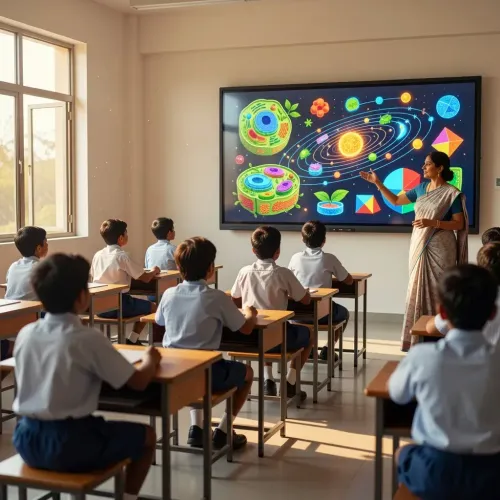
The Saraswati Vidya Niketans are a state-established network originally designed to support school-level education across Bihar. Extending their mandate to cover competitive-exam preparation is a meaningful pivot — these centres are already embedded in communities across the state, which means the infrastructure exists and the reach is immediate. For a student in a small town or rural district, proximity to a free coaching centre is not a minor convenience. It can be the difference between attempting IIT-JEE and never trying at all.
IIT-JEE and NEET are among India's most fiercely contested entrance examinations. A seat in an Indian Institute of Technology or a government medical college can transform a family's economic trajectory — yet quality preparation has historically been concentrated in cities like Kota, Patna's private coaching belt, and Delhi, at costs that shut out most Bihar families.
Bihar's push to close the coaching gap
Bihar has pursued a series of education-expansion measures in recent years aimed at narrowing regional disparities in access to professional courses. This initiative fits that arc squarely. With 551 centres now earmarked for free coaching, the state is betting that decentralised, publicly funded preparation can produce results at scale — a model that, if it works, will be watched closely by other states with similar access gaps.
The real test will come in the next JEE and NEET cycles: how many students enrol, how many clear the cutoffs, and whether state budget allocations keep pace with the programme's ambitions. Those numbers will determine whether this announcement becomes a genuine turning point or a well-intentioned start that needs more muscle behind it.
On Independence Day, the timing carries its own symbolism — access to education as a democratic promise, not just a policy line.
Point of View
Cost-efficient approach, but execution quality and sustained funding will determine whether it moves the needle on Bihar's representation in IITs and medical colleges. Politically, framing the rollout on Independence Day ties the initiative to constitutional ideals of equal opportunity, a narrative that travels well ahead of election cycles. The broader question is whether decentralised public coaching can genuinely compete with the intensive, resource-heavy model that top private institutes offer.
NationPress
30 Sept 2026
Frequently Asked Questions
What is the Bihar government's free coaching scheme for IIT-JEE and NEET?
The Bihar government is arranging free coaching for IIT-JEE, NEET, and other higher-education entrance examinations at 551 Saraswati Vidya Niketans established across the state, as announced by the Chief Minister's Office on 15 August 2026.
What are Saraswati Vidya Niketans in Bihar?
Saraswati Vidya Niketans are a network of centres established by the Bihar state government to support education. They are now being extended to provide free competitive-exam coaching for students aspiring to join IITs, medical colleges, and other premier institutions.
Who is eligible for free IIT-JEE and NEET coaching in Bihar?
The scheme is aimed at students across Bihar, particularly those from communities who cannot afford private coaching. The post does not specify additional eligibility criteria beyond enrolment at the Saraswati Vidya Niketans.
How many coaching centres are being set up under this Bihar scheme?
Free coaching will be provided at 551 Saraswati Vidya Niketans already established across Bihar, covering IIT-JEE, NEET, and other entrance examinations.
Why is Bihar launching free coaching for competitive exams?
Bihar has been working to reduce regional disparities in access to quality coaching for premier entrance exams. Private coaching is expensive and concentrated in a few cities, leaving students from smaller towns and rural areas at a disadvantage — this scheme aims to address that gap.