CM Bihar Launches 157 Urban Schemes Worth Rs 286 Crore
Synopsis
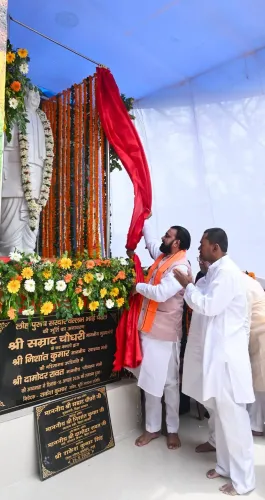
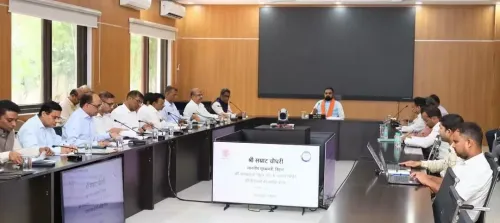
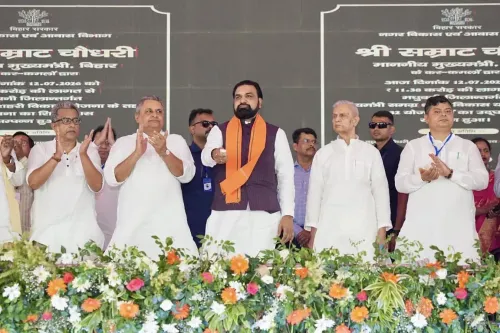
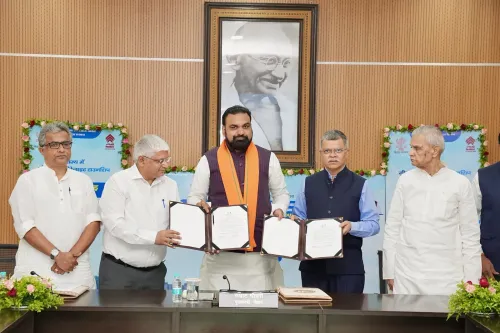
Bihar Chief Minister Samrat Choudhary on 19 June 2026 inaugurated and laid foundation stones for 157 urban development schemes worth Rs 286 crore under the Nagar Vikas Evam Awas Vibhag at Lok Sevak Awas, Patna, signalling a major push for civic infrastructure across the state's towns.
Key Takeaways
157 urban development schemes were inaugurated and foundation stones laid in a single ceremony on 19 June 2026 .
The combined project cost stands at Rs 286 crore , averaging roughly Rs 1.82 crore per scheme.
The projects fall under Bihar's Nagar Vikas Evam Awas Vibhag (Urban Development and Housing Department).
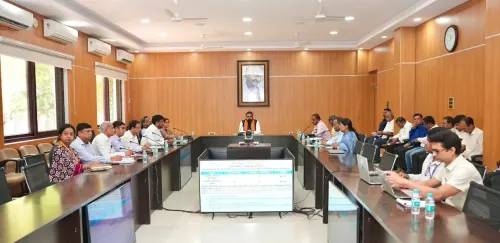
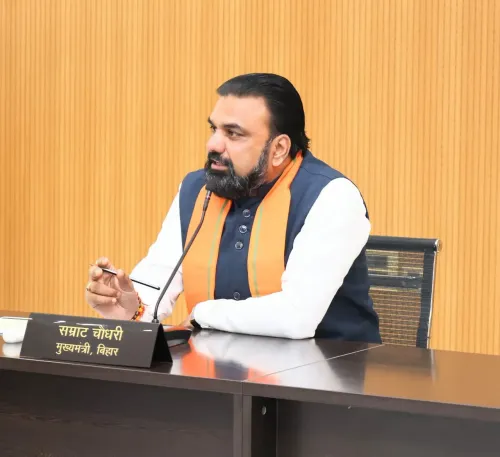
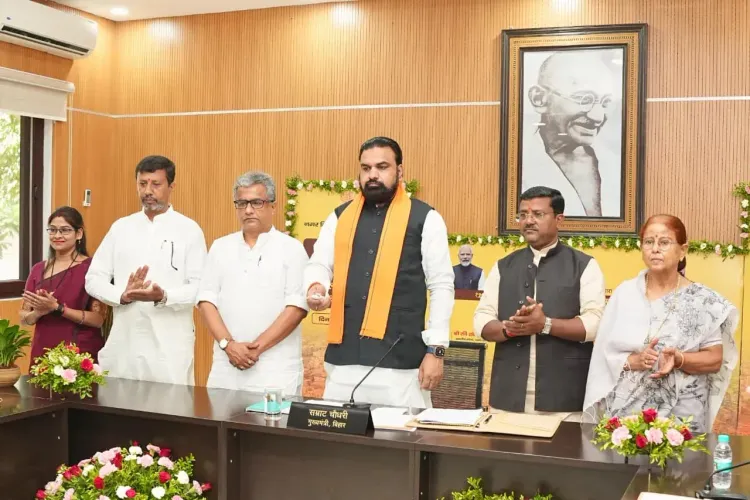
The ceremony was held at Sankalp Sabhagar, Lok Sevak Awas , Patna, presided over by CM Samrat Choudhary .
Bihar has been a participant in central urban missions including Smart Cities Mission and AMRUT since 2015, providing a policy framework for such outlays.
Quarterly progress reports and utilisation certificates for the schemes will be the key accountability mechanism going forward.
The Chief Minister's Office of Bihar announced on Friday, 19 June 2026 that Chief Minister Samrat Choudhary inaugurated and laid foundation stones for 157 urban development schemes worth Rs 286 crore under the Nagar Vikas Evam Awas Vibhag (Urban Development and Housing Department) at the Sankalp Sabhagar, Lok Sevak Awas, Patna.
Context
The official post stated: 'Lok Sevak Awas sthit Sankalp Sabhagar mein Nagar Vikas evam Awas Vibhag ki 286 crore rupaye ki lagat se 157 mahatvapurn vikas yojnaon ka udghataan evam shilaayas kiya' — meaning Chief Minister Samrat Choudhary today inaugurated and laid the foundation stones for 157 important development schemes costing Rs 286 crore under the Urban Development and Housing Department at the Sankalp Sabhagar, Lok Sevak Awas. The ceremony bundled a large number of urban infrastructure works across the state in a single high-profile event.
Lok Sevak Awas is a government residential and official complex in Patna that serves as a regular venue for state-level administrative and ceremonial functions. The Sankalp Sabhagar within the complex has hosted several such announcement events in recent years.
Policy Backdrop
Bihar's Nagar Vikas Evam Awas Vibhag is the nodal state agency for planning and executing urban infrastructure, civic amenities and housing projects across the state's towns and cities. The department channels both central and state allocations into sectors such as roads, drainage, parks and affordable housing.
Since 2015, Bihar has participated in central schemes including the Smart Cities Mission and AMRUT (Atal Mission for Rejuvenation and Urban Transformation), under which multiple cities have received earmarked funding for water supply, sewerage and urban mobility. Bundling dozens of projects into a single inauguration event is consistent with the state's practice of demonstrating annual budgetary utilisation through high-visibility ceremonies.
Stakeholders and Impact
The primary beneficiaries of the 157 schemes are urban residents across Bihar's towns and municipal areas, who stand to gain from improved civic infrastructure once the projects reach completion. Municipal bodies will be responsible for executing and maintaining the works on the ground.
A combined outlay of Rs 286 crore spread across 157 projects implies an average project size of roughly Rs 1.82 crore, suggesting a mix of small-to-medium neighbourhood-level works — typical of drain repair, road resurfacing, park development and community housing initiatives that form the backbone of urban renewal in smaller Bihar cities.
What's Next
Attention will now shift to the pace of physical execution. The Urban Development and Housing Department is expected to submit quarterly progress reports and utilisation certificates for the 157 schemes to state review committees. Timely completion will be critical to unlocking subsequent tranches of funding under centrally sponsored urban missions.
Observers will watch whether the foundation-stone projects move to the tendering and construction stage within the current financial year, a metric that has historically varied across Bihar's urban development pipeline.
Point of View
The outlay is substantial for the department, but the real test will be whether foundation-stone projects convert into completed assets within schedule — a gap that has historically undermined similar announcements. The event also reinforces CM Samrat Choudhary's positioning as an active administrator focused on urban delivery, which carries political salience in a state where town-level infrastructure remains a persistent voter concern. The alignment with central schemes like AMRUT suggests the state is also working to meet utilisation benchmarks tied to future central allocations.
NationPress
19 Sept 2026
Frequently Asked Questions
How many schemes did Bihar CM Samrat Choudhary inaugurate on 19 June 2026?
Bihar CM Samrat Choudhary inaugurated and laid foundation stones for 157 urban development schemes on 19 June 2026 at Lok Sevak Awas, Patna.
What is the total cost of the Bihar urban development schemes launched on 19 June 2026?
The 157 schemes launched by CM Samrat Choudhary carry a combined cost of Rs 286 crore , funded through the Nagar Vikas Evam Awas Vibhag.
Which department is responsible for the 157 Bihar urban schemes?
The schemes fall under the Nagar Vikas Evam Awas Vibhag (Urban Development and Housing Department) of the Bihar state government.
Where was the inauguration ceremony for Bihar's 157 urban schemes held?
The ceremony was held at Sankalp Sabhagar inside the Lok Sevak Awas complex in Patna , Bihar.
What central urban schemes is Bihar currently part of?
Bihar has been participating in the Smart Cities Mission and AMRUT (Atal Mission for Rejuvenation and Urban Transformation) since 2015 , which provide central funding for water supply, drainage and urban infrastructure projects.