CM Samrat Choudhary Lays Foundation of Women's Skill Institute in Bihta

Synopsis
Bihar Chief Minister Samrat Choudhary on 23 July 2026 laid the foundation stone of the permanent campus of the National Skill Training Institute (Women) at Sikandarpur, Bihta, Patna, via video conferencing from Patna, marking a dedicated infrastructure push for women's vocational training in the state.
Key Takeaways
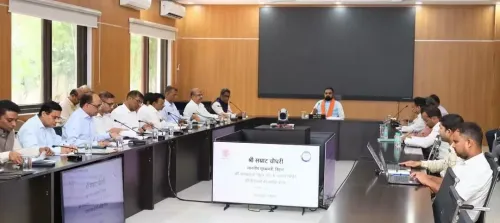
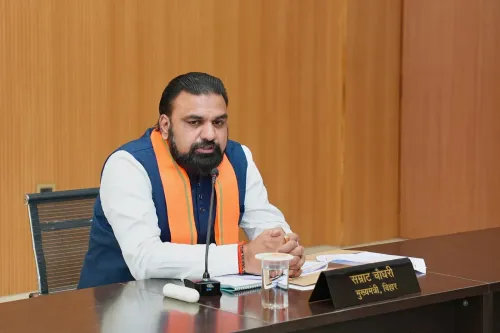
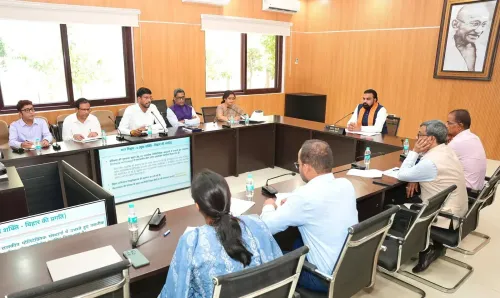
Chief Minister Samrat Choudhary performed the foundation stone laying via video conferencing from the 'Sankalp' auditorium at Lok Sevak Avas on 23 July 2026 .
The permanent campus of the National Skill Training Institute (Women) will come up at Sikandarpur, Bihta, Patna district .
The institute operates under the central government's Directorate General of Training and is exclusively focused on women's vocational education.
The project aligns with the national Skill India Mission (2015) and the National Policy on Skill Development and Entrepreneurship .
The permanent campus replaces any temporary arrangements and signals long-term state investment in gender-specific skill infrastructure.
Construction timelines and first-batch enrolment dates are yet to be announced.
The Chief Minister's Office of Bihar announced on Thursday, 23 July 2026 that Chief Minister Samrat Choudhary laid the foundation stone of the permanent campus of the National Skill Training Institute (Women) at Sikandarpur, Bihta, Patna, via video conferencing from the 'Sankalp' auditorium at Lok Sevak Avas.
Context
The ceremony, conducted through video conferencing, marks the beginning of construction on a dedicated permanent campus for an institution exclusively focused on vocational training for women. The Chief Minister's Office stated that Choudhary performed the shilapat anavarana (foundation plaque unveiling) and shilanyas (groundbreaking) for the institute located in Sikandarpur, a site within the Bihta township of Patna district.
The National Skill Training Institute (Women) functions under the Directorate General of Training, a central government body, and is designed to provide structured vocational education exclusively to women. The establishment of a permanent campus signals a shift from temporary or shared facilities to dedicated infrastructure for women's skill development in the state.
Policy Backdrop
This foundation stone laying fits within the broader framework of the Skill India Mission, launched nationally in 2015, which aimed to scale up vocational training across all states, with Bihar being a key beneficiary. The National Policy on Skill Development and Entrepreneurship (2015) specifically emphasised the creation of dedicated institutes for women and the expansion of regional training infrastructure.
State governments across India have increasingly prioritised gender-specific skill infrastructure to address persistent gaps in women's participation in formal vocational training and employment. Bihar's investment in a permanent campus, rather than a temporary facility, reflects this longer-term institutional approach aligned with central scheme funding.
Stakeholders and Impact
The primary beneficiaries of the new campus will be women trainees from Patna district and surrounding regions of Bihar seeking structured vocational qualifications. A permanent facility is expected to offer greater capacity, better equipment, and more stable programme delivery compared to temporary arrangements.
Broader stakeholders include Bihar's youth workforce, state skill development agencies, and central ministries overseeing the Directorate General of Training. The location in Bihta, a rapidly developing node near Patna, also positions the campus to serve an expanding urban and peri-urban population.
What's Next
Attention will now turn to the construction timeline for the permanent campus and the schedule for enrolling the first batch of women trainees once the facility is operational. Any linked state budget allocations or central grants for equipping the institute will be closely watched by skill development stakeholders.
The foundation stone laying sets a formal institutional milestone, but the measure of success will ultimately rest on enrolment numbers, course completion rates, and employment outcomes for women trained at the Sikandarpur campus in the years ahead.
Point of View
Purpose-built infrastructure. Conducting the ceremony via video conferencing has become a standard administrative tool in Bihar, allowing the Chief Minister to anchor multiple location-specific events without travel overhead. The choice of Bihta — a peri-urban growth corridor near Patna — is strategically deliberate, positioning the campus to serve both rural migrants and an expanding urban workforce. The real test will be whether construction and enrolment timelines are met, and whether the institute produces measurable employment outcomes for women graduates.
NationPress
22 Oct 2026
Frequently Asked Questions
What was inaugurated by Bihar CM Samrat Choudhary on 23 July 2026?
Chief Minister Samrat Choudhary laid the foundation stone of the permanent campus of the National Skill Training Institute (Women) at Sikandarpur, Bihta, Patna, via video conferencing on 23 July 2026.
Where is the National Skill Training Institute (Women) in Bihar located?
The permanent campus of the National Skill Training Institute (Women) is being built at Sikandarpur in Bihta, which falls under Patna district in Bihar.
What is the National Skill Training Institute (Women)?
The National Skill Training Institute (Women) is a government institution under the Directorate General of Training that provides structured vocational and skill training exclusively for women.
How does the Bihar women's skill institute connect to Skill India?
The institute aligns with the Skill India Mission launched in 2015 and the National Policy on Skill Development and Entrepreneurship, which emphasised dedicated institutes for women and regional expansion of training infrastructure.
When will the new women's skill training campus in Bihta be operational?
Construction timelines and the date for enrolling the first batch of trainees have not yet been officially announced following the foundation stone ceremony on 23 July 2026.