Bihar CM Nitish Kumar Pushes MoU with Brahma Kumaris on Nasha Mukti Drive
Synopsis
Bihar Chief Minister Nitish Kumar has proposed a formal MoU with the Brahma Kumaris spiritual organisation to scale up the state's nasha mukti anti-addiction campaign, deepening a decade-old social reform push anchored in the Bihar Prohibition and Excise Act 2016.
Key Takeaways
CM Nitish Kumar met with Brahma Kumaris representatives and stressed expanding collaboration on Bihar's anti-addiction drive.
He proposed signing a formal MoU between the Bihar Government and Brahma Kumaris to institutionalise the partnership.
Bihar's Prohibition and Excise Act, 2016 bans the manufacture, sale, and consumption of alcohol statewide.
The Brahma Kumaris , founded in 1936 , run de-addiction and community outreach programmes across multiple Indian states.
The MoU's formal signing date and programme details have not yet been confirmed from public record.
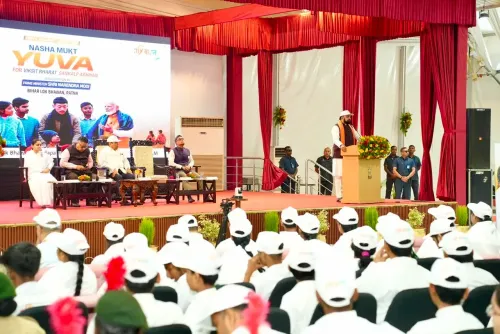
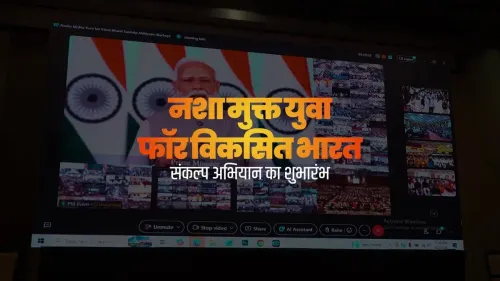
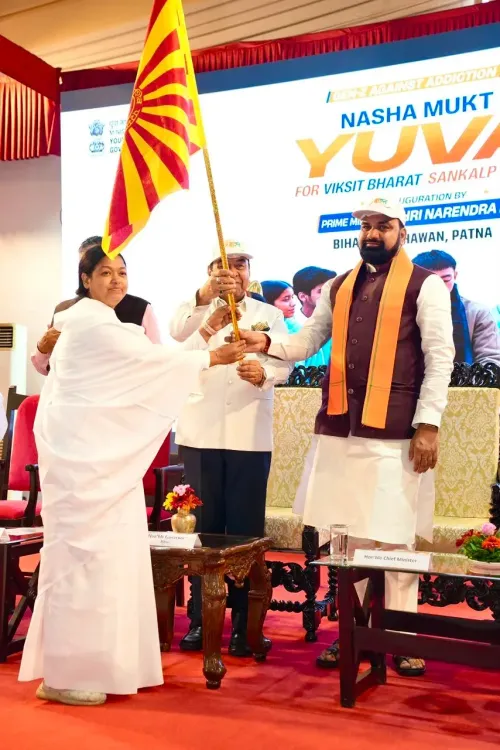
Bihar's decade-long war on addiction just found a powerful new ally. Chief Minister Nitish Kumar has called for deepening the state government's partnership with the Brahma Kumaris spiritual organisation to take the nasha mukti abhiyan (anti-addiction campaign) to every household — and has proposed formalising that alliance through a Memorandum of Understanding (MoU).
What the Chief Minister's Office said
The Chief Minister's Office of Bihar confirmed on 2 August 2026 that CM Nitish Kumar stressed the need to expand collaboration with the Brahma Kumaris to carry the anti-addiction message to the grassroots. He also 'spoke of taking the initiative to sign an MoU between the Bihar Government and Brahma Kumaris' in this direction, the official post stated.
Bihar's prohibition drive — ten years and counting
The proposed partnership is rooted in one of Nitish Kumar's most defining policy bets: the Bihar Prohibition and Excise Act, 2016, which banned the manufacture, sale, and consumption of alcohol across the state. The law was framed explicitly as a social-reform measure to reduce addiction-related harm to families, particularly in rural communities.
But prohibition on paper and prohibition on the ground are two different things. Bihar has long paired the legal ban with outreach initiatives — working with NGOs and spiritual bodies to extend the de-addiction message beyond police enforcement and into homes, schools, and village squares.
Why Brahma Kumaris — and why now
The Brahma Kumaris, founded in 1936, operate one of India's most extensive faith-based community networks, running de-addiction, value education, and outreach programmes across multiple states. Their reach into rural and semi-urban India — precisely the terrain where Bihar's prohibition challenge is sharpest — makes them a natural institutional partner for a state government seeking scale without additional bureaucratic machinery.
A formal MoU would mark a structural upgrade from ad hoc cooperation to a defined, accountable programme — potentially unlocking joint district-level nasha mukti camps, training modules, and community counselling infrastructure.
Families, youth, and the road the MoU must travel
The beneficiaries named in Bihar's broader anti-addiction framework are concrete: addiction-affected families, young people, and rural communities who bear the social and economic cost of substance abuse most directly. If the MoU is signed and operationalised, the test will be whether joint programming reaches those groups at scale — or remains a headline partnership.
The formal signing and the content of any joint campaign rollout are yet to be confirmed from public record. But the political signal is clear: Nitish Kumar is doubling down on social reform as a governing identity, and he wants a credible institutional partner standing beside the state to make it stick.
Point of View
A brand that has electoral resonance in Bihar's women-dominated voter blocs who have historically backed prohibition. Whether the MoU translates into measurable de-addiction outcomes, or remains a soft-power gesture, will depend entirely on the programme architecture that follows.
NationPress
2 Aug 2026
Frequently Asked Questions
What is the Bihar government's nasha mukti abhiyan?
The nasha mukti abhiyan is Bihar's anti-addiction campaign, run alongside the Bihar Prohibition and Excise Act 2016, which bans the manufacture, sale, and consumption of alcohol in the state. The campaign uses outreach, awareness drives, and partnerships with NGOs and spiritual organisations to spread de-addiction messaging.
Why is Bihar signing an MoU with Brahma Kumaris?
Chief Minister Nitish Kumar has proposed the MoU to formalise and scale up collaboration with the Brahma Kumaris, whose nationwide network of community outreach and de-addiction programmes can help carry Bihar's anti-addiction message to rural and semi-urban households beyond what government enforcement alone can reach.
When was Bihar's alcohol prohibition law enacted?
The Bihar Prohibition and Excise Act was enacted in 2016 under Chief Minister Nitish Kumar, making Bihar one of the few Indian states to impose a near-total ban on alcohol.
Who are the Brahma Kumaris and what do they do in India?
The Brahma Kumaris is a global spiritual movement founded in 1936 that operates de-addiction, value education, and community outreach programmes across multiple Indian states, making them a significant faith-based partner for government welfare initiatives.
Has the Bihar-Brahma Kumaris MoU been signed yet?
As of the Chief Minister's Office announcement on 2 August 2026, CM Nitish Kumar proposed taking the initiative to sign the MoU. The formal signing date and programme details have not yet been confirmed from public record.