Bihar CM Nitish Urges Students, Parents to Prioritise Regular Schooling
Synopsis
Chief Minister Nitish Kumar directly engaged with Bihar students and parents on 26 September 2026, urging regular school attendance, homework discipline, and hard work — framing quality education as the state government's top priority for children.
Key Takeaways
Chief Minister Nitish Kumar personally interacted with students and parents on 26 September 2026 , urging regular school attendance and homework discipline.
The CM stated that the Bihar government's 'special focus' is on providing quality education to children.
The outreach continues a long-running pattern of CM-level public engagement on school attendance and learning outcomes in Bihar.
Bihar has historically recorded below-national-average literacy and learning levels, driving repeated state-level education campaigns.
The government's landmark Mukhya Mantri Balika Cycle Yojana (2006) — free bicycles for secondary school girls — is a prior flagship intervention aimed at boosting attendance.
The explicit shift in messaging toward quality (not just enrollment) marks a newer emphasis in Bihar's education policy narrative.
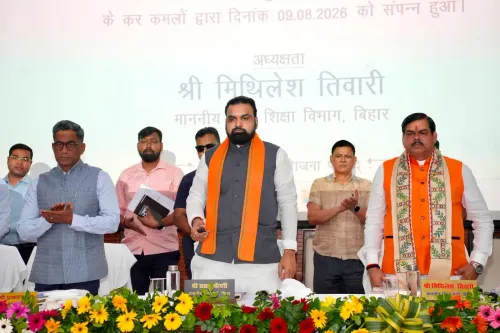
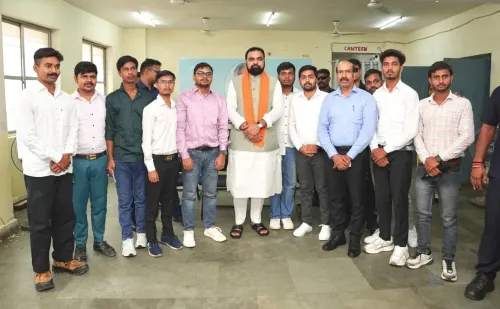
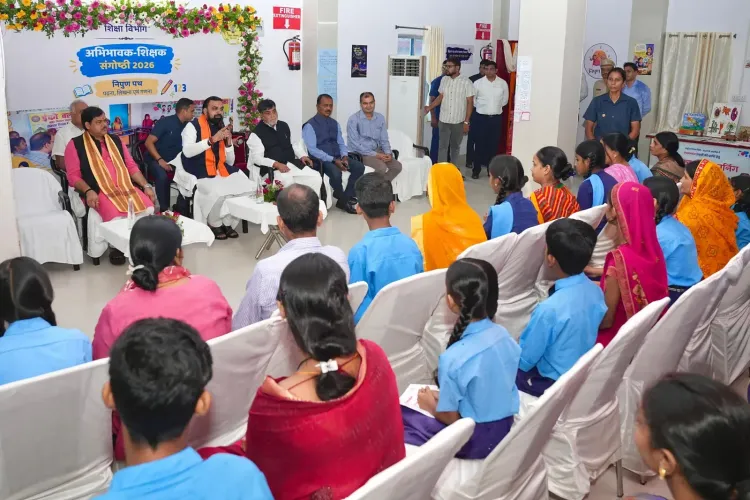
In a direct appeal to the families who hold Bihar's education future in their hands, Chief Minister Nitish Kumar engaged with parents and students on Saturday, 26 September 2026, urging children to attend school regularly, complete their homework, and study with sustained focus — a signal that the state is doubling down on learning outcomes, not just enrollment numbers.
The Chief Minister's Office of Bihar shared the interaction on X, quoting Nitish Kumar: 'Sarkar ka vishesh dhyan bacchon ko guṇvattāpūrṇ shiksha uplabdh karane par hai' — 'The government's special focus is on providing quality education to children.' The statement went beyond a routine policy reminder, framing the message as a personal call to discipline: attend every day, finish every assignment, work hard without distraction.
Why a CM is talking directly to schoolchildren about homework
Bihar has historically trailed national averages on both literacy rates and learning outcomes — a gap that successive administrations have tried to close through infrastructure, cash incentives, and enrollment campaigns. Nitish Kumar, who has served as Chief Minister since 2005 with brief interruptions, has repeatedly made education a centrepiece of his governance pitch. His government's Mukhya Mantri Balika Cycle Yojana, launched in 2006, provided free bicycles to girls in secondary school — a scheme credited with meaningfully lifting attendance figures among adolescent girls in rural Bihar.
The pattern of CM-level engagement with students and parents is deliberate. It signals that the accountability chain for school attendance runs not just through teachers and administrators, but through families — and ultimately, the Chief Minister's office itself. Getting children through the school gate each morning remains a harder policy problem than building the school in the first place.
Quality over enrollment: the next frontier for Bihar schools
The explicit emphasis on 'quality education' — guṇvattāpūrṇ shiksha — marks a subtle but important shift in public messaging. For years, Bihar's education conversation centred on access: getting schools built, getting girls enrolled, getting dropout rates down. The pivot to quality acknowledges that a child sitting in a classroom is not the same as a child learning effectively.
State education department data on attendance trends and any new quality-focused schemes in the next budget cycle will reveal how much of Saturday's messaging translates into programme funding. Direct motivational outreach can move sentiment; whether it moves learning metrics depends on what follows in classrooms and in state balance sheets.
For Bihar's millions of school-going children, the Chief Minister's message on a Saturday evening is simple and unambiguous: show up, do the work, the government is watching — and it is on your side.
Point of View
Homework — that policy alone cannot mandate. The shift in language from 'enrollment' to 'quality education' reflects a broader national reckoning that getting children into classrooms was the easier half of the problem. Bihar's real test is whether Saturday's motivational messaging is followed by measurable investments in teacher quality, learning assessments, and school infrastructure in the next budget cycle. Symbolic outreach without that funding follow-through risks becoming a recurring ritual with diminishing returns.
NationPress
26 Sept 2026
Frequently Asked Questions
What did Bihar CM Nitish Kumar say about education on 26 September 2026?
Nitish Kumar urged students to attend school regularly, complete homework, and study diligently, and stated that the government's special focus is on providing quality education to Bihar's children.
What is Bihar's Mukhya Mantri Balika Cycle Yojana?
Launched in 2006 under Nitish Kumar, the Mukhya Mantri Balika Cycle Yojana provides free bicycles to girls in secondary school to improve attendance and reduce dropout rates in rural Bihar.
How does Bihar's education performance compare to the national average?
Bihar has historically recorded below-national-average literacy rates and learning outcomes, prompting successive state governments to launch enrollment drives, infrastructure upgrades, and motivational campaigns.
Why does the Bihar Chief Minister interact directly with students and parents?
CM-level engagement with families is a recurring state strategy to reinforce school attendance and learning discipline — placing accountability on families, not just teachers and administrators.
What should Bihar's education watchers track after this announcement?
Analysts should watch state education department data on attendance trends and any new quality-focused schemes or budget allocations announced in Bihar's next budget cycle.