Priyanka Gandhi flags VB-GRAM G portal problems after women workers' meeting
Synopsis
Congress general secretary Priyanka Gandhi Vadra met women workers who detailed failures in the VB-GRAM G scheme's portal, pledging to escalate technical issues to the Central Government and personally work to resolve the broader hardships they face.
Key Takeaways
Congress general secretary Priyanka Gandhi Vadra met women workers on 26 September 2026 to hear their complaints about the VB-GRAM G scheme .
Beneficiaries flagged two categories of problems: technical failures in the scheme's online portal, and wider on-ground difficulties in accessing benefits.
Vadra has promised to take up the portal issues specifically with the Central Government .
She also committed to using her own efforts to help resolve the non-portal problems the women described.
The interaction continues Vadra's established pattern of using direct beneficiary outreach in Uttar Pradesh to highlight welfare delivery gaps at the federal level.
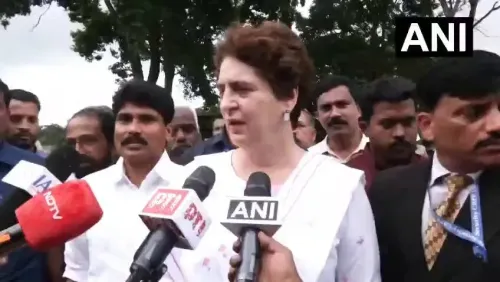
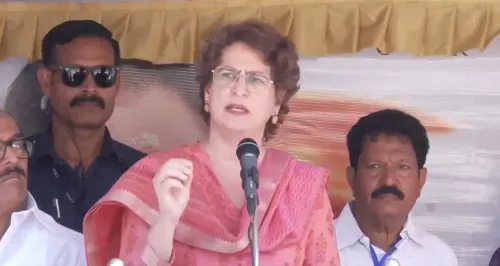
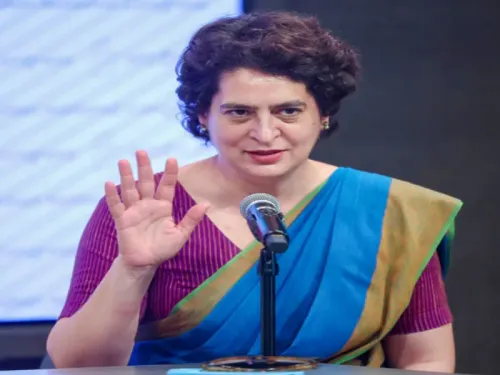
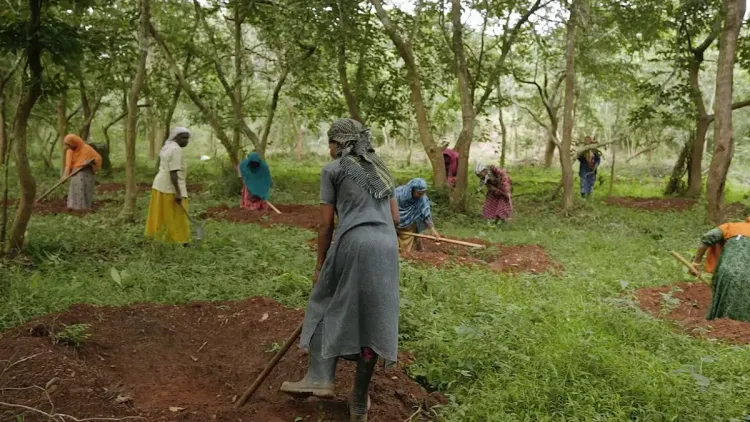
A face-to-face conversation with women workers about a faltering welfare portal turned into a public pledge — Congress general secretary Priyanka Gandhi Vadra on Saturday, 26 September 2026, promised to take up the implementation failures of the VB-GRAM G scheme directly with the Central Government after listening to beneficiaries describe the difficulties they face on the ground.
Posting on X, Vadra addressed the women directly: 'Ladies, you are the sweetest of all, thank you for spending some of your work time explaining all the difficulties with the new VB-GRAM G scheme to me.' She committed to raising the portal-related issues with the Union government and to working on the broader problems the women described — a short message, but a specific one, naming both the scheme and the intervention she intends to make.
What the women told her about the VB-GRAM G portal
The post makes clear the grievances fell into two buckets: technical problems with the scheme's online portal, and a second set of wider difficulties the women are navigating while trying to access benefits. Vadra drew a pointed distinction — the portal issues go to the Central Government, while the other problems will require her own advocacy effort. The split itself signals how layered welfare delivery failures tend to be: one part broken technology, one part on-the-ground structural hardship.
The specific nature and launch details of the VB-GRAM G scheme are not yet widely documented publicly. What is clear from the exchange is that it is a scheme affecting women workers, with a digital portal that is generating real frustration among its intended beneficiaries.
Priyanka Gandhi's pattern of ground-level welfare outreach
This interaction fits a deliberate pattern. Vadra — who holds the Congress in-charge portfolio for Uttar Pradesh and represents Wayanad in the Lok Sabha — has consistently used direct beneficiary meetings to surface implementation gaps in centrally-run schemes. For an opposition leader, the approach serves two purposes simultaneously: genuine constituent service, and a steady supply of documented, ground-level evidence of federal delivery failures to carry into parliamentary debates.
The tone here is warmer and more personal than a formal complaint — she praised the women's 'strength and ability to soldier through everything with those beautiful smiles' — but the political architecture underneath is familiar. Welfare portal failures, especially in rural areas, have become a recurring front in the Centre-opposition argument over whether digital-first delivery actually reaches those it is meant to serve.
Whether the ministry overseeing the VB-GRAM G scheme responds publicly — or whether the issue surfaces during the next parliamentary session — will tell us how much traction one MP's promise can generate for a group of women who took time out of their working day to explain exactly what is going wrong.
Point of View
Creates an accountability record, and signals that Congress is monitoring digital welfare delivery at the ground level. The naming of the VB-GRAM G scheme — however opaque its details remain publicly — gives the grievance a target. If parliament reconvenes or a related question is raised in the Lok Sabha, this post becomes the paper trail. For the BJP-led government, a visible opposition MP documenting beneficiary complaints in real time is a pressure point that demands at least a ministerial response.
NationPress
26 Sept 2026
Frequently Asked Questions
What is the VB-GRAM G scheme?
The VB-GRAM G scheme is a Central Government welfare programme whose specific details are not yet widely documented publicly. Based on Priyanka Gandhi Vadra's post, it affects women workers and involves an online portal that beneficiaries report is facing significant operational difficulties.
What did Priyanka Gandhi promise after meeting the women workers?
Priyanka Gandhi Vadra promised to raise the VB-GRAM G scheme's portal-related problems directly with the Central Government and to personally try her best to help resolve the other, broader difficulties the women described.
Why is Priyanka Gandhi raising welfare scheme issues?
As Congress in-charge for Uttar Pradesh and a Lok Sabha MP from Wayanad, Vadra has a consistent track record of using direct beneficiary meetings to surface implementation gaps in centrally-run welfare schemes, both as constituent service and as documented evidence for parliamentary scrutiny.
What kind of problems are beneficiaries facing with the VB-GRAM G portal?
The exact technical nature of the portal failures has not been publicly detailed, but women workers who met Vadra described difficulties in accessing the scheme, which she categorised into portal-specific problems to be escalated to the Centre and wider structural issues she will address through her own advocacy.
Will this issue come up in Parliament?
It is possible. Priyanka Gandhi Vadra's public commitment to take up VB-GRAM G portal issues with the Central Government could lead to questions being raised in the Lok Sabha in the next parliamentary session. Any ministry response or clarification on the scheme's portal would also be worth tracking.