Gadkari at OCGC's 10th Anniversary: 6,000 Women Empowered
Synopsis
Union Ministers Nitin Gadkari and Giriraj Singh attended the 10th anniversary of the Orange City Garment Cluster in Nagpur, celebrating a decade of training over 6,000 women across the Vidarbha region in garment skills and employment.
Key Takeaways
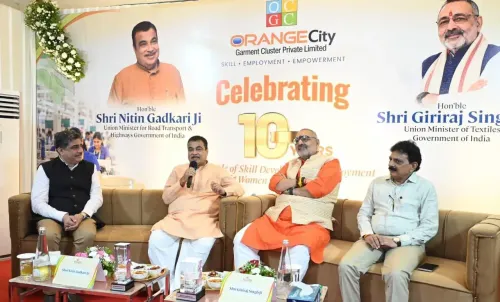
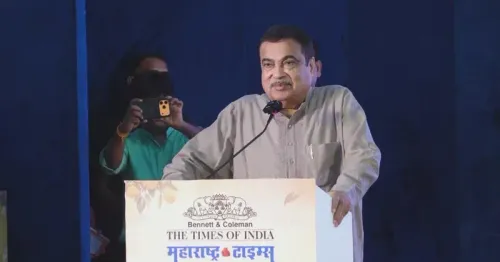
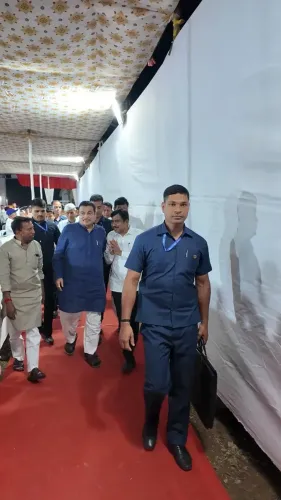
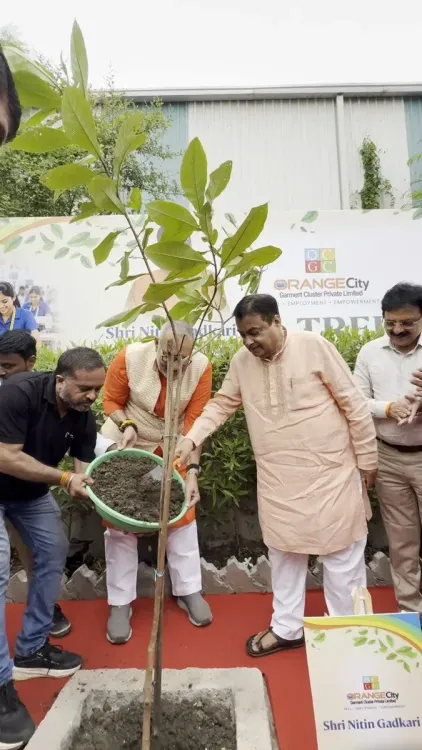
Union Ministers Nitin Gadkari and Giriraj Singh attended the 10th anniversary of the Orange City Garment Cluster (OCGC) at the Common Facility Centre, Uppalwadi, Nagpur , on 26 September 2026 .
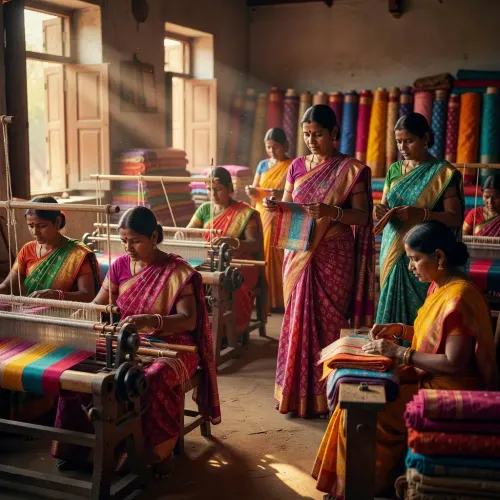
OCGC has trained and enabled employment for more than 6,000 women across Nagpur and the Vidarbha region over the past decade.
The cluster operates through a Common Facility Centre model, lowering entry barriers for small garment units and female entrepreneurs.
The initiative links to national schemes including Skill India (launched 2015) and the Aatmanirbhar Bharat package (2020), which prioritised domestic textile production and women-led enterprises.
Vidarbha, historically marked by agrarian distress and limited formal employment for women, is the primary beneficiary region of OCGC's work.
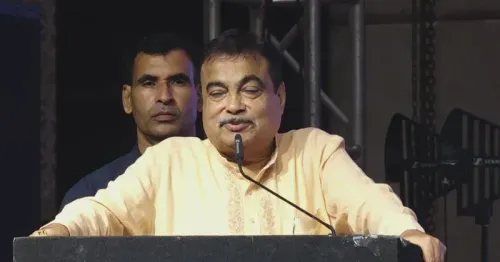
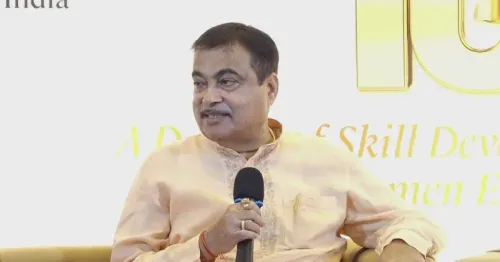
A decade ago, a cluster of sewing machines and a shared facility in Uppalwadi quietly began rewiring economic futures for women across one of Maharashtra's most underdeveloped regions. On Saturday, 26 September 2026, Union Road Transport and Highways Minister Nitin Gadkari stood at that same Common Facility Centre in Nagpur to mark what it has become — a decade-long engine of women's financial independence.
Joining him was Union Minister Giriraj Singh, who holds the Textiles portfolio, lending the anniversary celebration both political weight and policy resonance. Gadkari noted that the Orange City Garment Cluster (OCGC) has, over ten years, trained and enabled employment opportunities for more than 6,000 women across Nagpur and the broader Vidarbha region — an area historically defined by agrarian distress and limited formal employment, particularly for women.
What OCGC built in Vidarbha's shadow
The cluster model is not accidental policy — it is a deliberate architecture. Common Facility Centres lower the entry barriers for small garment units and female entrepreneurs who cannot individually afford industrial machinery, quality testing labs, or bulk raw-material procurement. The Scheme for Integrated Textile Parks, initiated in 2005, laid the structural groundwork for exactly this kind of shared infrastructure. OCGC grew within that framework, and its anniversary marks a rare instance of a cluster not only surviving but compounding its impact across a full decade. Vidarbha's women, long at the margins of the region's cotton economy — cultivating the fibre but rarely stitching the garment — are now at the centre of a value-added enterprise. Gadkari called skill development, employment and women-led empowerment 'the foundations of stronger communities and a more inclusive economy.'Skill India, Aatmanirbhar Bharat, and the Nagpur thread
The OCGC story sits at the intersection of at least three national policy initiatives. The Skill India Mission, launched in 2015, provided the vocational training architecture that clusters like OCGC plugged into. The Aatmanirbhar Bharat package of 2020 then doubled down on domestic textile production and women-led micro-enterprises as twin priorities. Giriraj Singh's presence at the event signals that the Union Ministry of Textiles views OCGC not as a regional footnote but as a replicable model — the kind of ground-level data point that informs fresh allocations in successive Union Budgets. For Gadkari personally, Nagpur is home turf. His presence at a women's skilling milestone in his constituency carries both symbolic and political weight, reinforcing a development narrative he has consistently championed across infrastructure and social welfare.6,000 women — and what the next decade demands
Six thousand trained women across one cluster over ten years is a meaningful number, but analysts tracking Skill India outcomes will note that scale and quality of post-training employment remain the harder metrics. The next Economic Survey's Skill India outcome data will be a sharper test of whether clusters like OCGC are producing sustained livelihoods or one-time certification. Gadkari extended best wishes for 'many more years of impact and success' — the real measure of that success will arrive not in anniversary speeches, but in income data from Vidarbha's households. When a garment cluster outlasts a decade in one of India's most economically stressed regions, it stops being a welfare scheme and starts being proof of concept.Point of View
Attended by two Union Ministers, reflects a deliberate effort to frame cluster-based skilling as a flagship achievement ahead of potential Budget discussions on textile sector allocations. Gadkari's presence on home turf in Nagpur reinforces a development identity that complements his infrastructure portfolio — signalling that his political brand extends beyond roads to inclusive economic growth. Giriraj Singh's attendance further suggests the Textiles Ministry is actively scouting replicable cluster models for wider rollout. The event also underscores the government's continued reliance on the Skill India-Aatmanirbhar Bharat narrative as a unifying policy frame for women's economic participation in tier-2 cities.
NationPress
26 Sept 2026
Frequently Asked Questions
What is the Orange City Garment Cluster (OCGC) in Nagpur?
The Orange City Garment Cluster (OCGC) is a skill development and employment initiative based at the Common Facility Centre in Uppalwadi, Nagpur, focused on training women in garment manufacturing and enabling their financial independence across the Vidarbha region.
How many women has OCGC trained over the past decade?
According to Minister Nitin Gadkari's statement at the 10th anniversary event, OCGC has trained and enabled employment opportunities for more than 6,000 women across Nagpur and the Vidarbha region over the past ten years.
What is the Common Facility Centre model in textile clusters?
A Common Facility Centre (CFC) is a shared infrastructure hub within a textile or garment cluster that gives small units and individual entrepreneurs access to industrial machinery, testing labs, and procurement networks they could not afford independently — lowering entry barriers and boosting productivity.
How does OCGC connect to the Skill India scheme?
OCGC's vocational training and employment model aligns with the Skill India Mission launched in 2015, which aims to provide structured vocational training to improve employability, particularly in sectors like textiles and garments.
Why did Giriraj Singh attend the OCGC anniversary?
Giriraj Singh, who holds the Textiles portfolio in the Union Cabinet, attended the event reflecting the Ministry's interest in cluster-based textile growth models and their potential as replicable frameworks for women's employment across India.