CM Bihar Orders Pataliputra Heritage Plan, PPP Review for Irrigation Dept
Synopsis
Bihar's Chief Minister has directed officials to draft a special action plan to restore Pataliputra's ancient historical identity and asked the Irrigation Department to assess PPP and DBOM models for better use and maintenance of its inspection buildings, signalling a dual push on heritage revival and asset monetisation.
Key Takeaways
The Chief Minister's Office of Bihar announced two directives on 13 June 2026 .
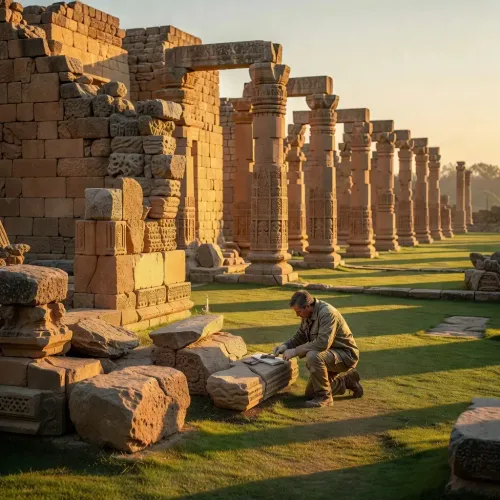
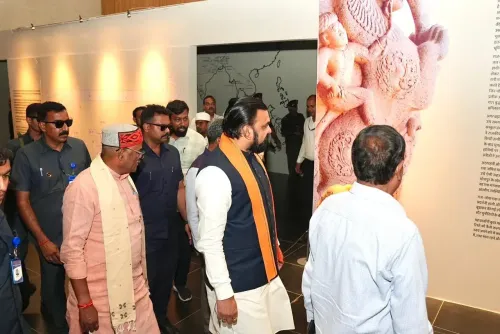
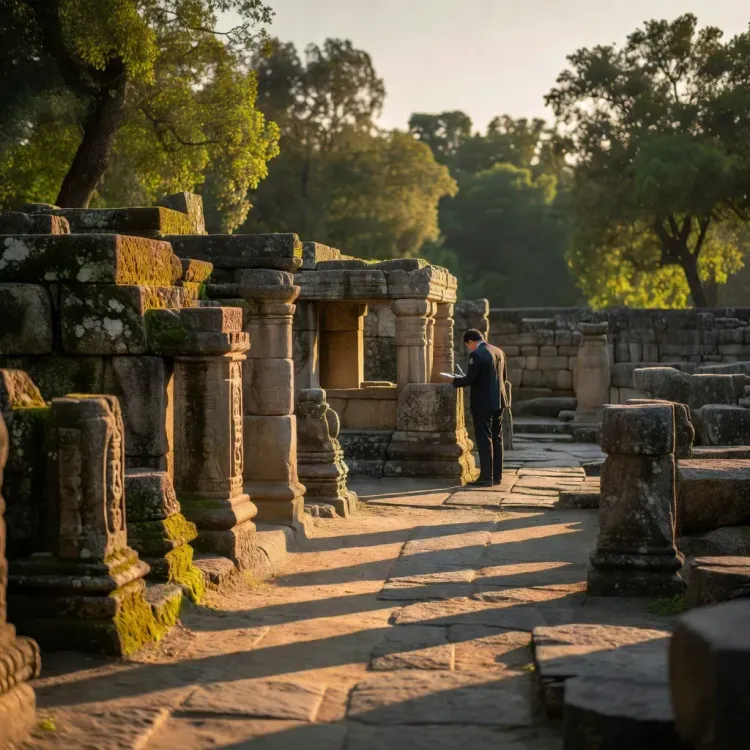
The Chief Minister ordered a special action plan to restore the ancient glory and historical identity of Pataliputra , the Maurya-era capital corresponding to modern Patna .
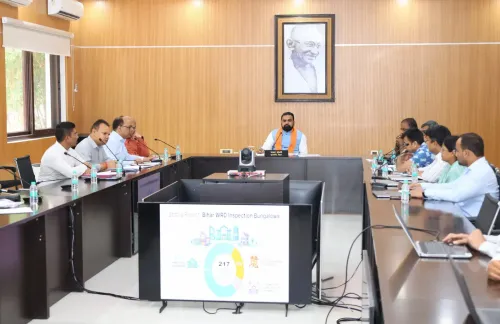
The Bihar Irrigation Department was asked to assess the feasibility of PPP and DBOM models for its inspection buildings.
The directives continue Bihar's post-2005 pattern of promoting public-private partnerships for government assets.
Key deliverables to watch: the formal Pataliputra action plan and any RFP or EOI from the Irrigation Department.
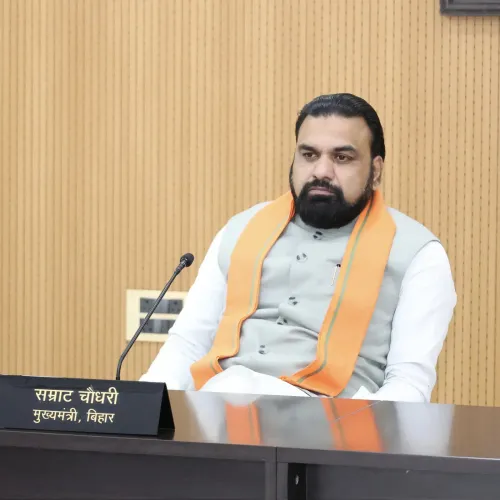
The Chief Minister's Office of Bihar announced on Saturday, 13 June 2026 that the Chief Minister has directed officials to prepare a special action plan to restore and reestablish the ancient glory and historical identity of Pataliputra, and separately asked the Irrigation Department to assess the feasibility of PPP and DBOM models for better utilisation and upkeep of its inspection buildings.
Context
The post, issued by the official handle of the Chief Minister's Office, states in Hindi: 'उन्होंने पाटलिपुत्र की प्राचीन गौरवगाथा एवं ऐतिहासिक पहचान को पुनर्स्थापित करने के लिए विशेष कार्ययोजना तैयार करने का निर्देश दिया' — 'He directed the preparation of a special action plan to restore the ancient glory and historical identity of Pataliputra.' In the same directive, the Chief Minister asked the Irrigation Department to evaluate the possibilities of PPP (Public-Private Partnership) and DBOM (Design-Build-Operate-Maintain) models for the better use and maintenance of its inspection buildings.
Pataliputra, corresponding to modern-day Patna, was the seat of the Maurya Empire and several subsequent dynasties, and is considered one of the most significant urban centres of ancient India. Its historical identity carries deep significance for Bihar's cultural and tourism landscape.
Policy Backdrop
Since 2005, the Bihar government under Chief Minister Nitish Kumar has consistently promoted public-private partnership models across roads, bridges, and urban assets as part of the state's broader infrastructure push. The latest directive extends that approach to departmental buildings of the Bihar Irrigation Department, which manages the state's canal networks, flood-control systems, and agricultural water infrastructure.
The DBOM model — under which a private entity designs, builds, operates, and maintains an asset — has been deployed in several Indian states seeking non-budgetary solutions for maintaining government-owned properties that see low utilisation. Applying it to irrigation inspection buildings represents an incremental but notable expansion of this approach in Bihar.
The twin directives also reflect a broader pattern seen across Indian states: linking the revival of ancient place-names and heritage sites with tourism and identity-building, while simultaneously monetising under-used government assets to reduce maintenance burdens on the exchequer.
Stakeholders and Impact
Heritage tourists and cultural organisations stand to benefit if a credible action plan for Pataliputra's restoration is finalised and funded. Bihar's tourism sector has long argued that the state's ancient sites remain under-promoted relative to their historical significance.
Farmers and agricultural communities dependent on irrigation infrastructure may see indirect benefits if PPP or DBOM arrangements free up departmental resources currently absorbed by building maintenance. Private developers and infrastructure firms would be the immediate respondents to any expression-of-interest or request-for-proposal that the Irrigation Department may float following this feasibility assessment.
What's Next
The key deliverables to watch are the formal release of the Pataliputra special action plan and any subsequent procurement documents — such as an RFP or EOI — issued by the Bihar Irrigation Department under the PPP or DBOM frameworks. The pace at which these documents materialise will indicate how seriously the administration intends to operationalise both directives. Bihar's heritage and infrastructure sectors will be watching for timelines and budget allocations in the coming weeks.
Point of View
One fiscal — is characteristic of how the Bihar administration has long operated: pairing identity-driven heritage gestures with hard-nosed asset-monetisation exercises. Ordering a Pataliputra action plan costs little politically and yields significant cultural capital in a state where ancient history is a live electoral and social currency. Simultaneously pushing the Irrigation Department toward PPP and DBOM signals that the government is under pressure to find off-budget solutions for maintaining sprawling departmental infrastructure. Whether either directive produces concrete, time-bound outcomes will depend on follow-through — a gap that has historically plagued heritage-revival announcements across Indian states.
NationPress
27 Oct 2026
Frequently Asked Questions
What is the Pataliputra heritage action plan announced by Bihar CM?
The Chief Minister of Bihar has directed officials to prepare a special action plan to restore and reestablish the ancient glory and historical identity of Pataliputra, the Maurya Empire-era capital that corresponds to modern-day Patna.
What are PPP and DBOM models in the context of Bihar Irrigation Department?
PPP stands for Public-Private Partnership, while DBOM stands for Design-Build-Operate-Maintain. The Bihar CM has asked the Irrigation Department to assess whether these models can be used to better utilise and maintain its inspection buildings through private sector involvement.
Why is Pataliputra historically significant?
Pataliputra was the capital of the Maurya Empire and several other ancient dynasties, making it one of the most important political and cultural centres of early India. It corresponds to the present-day city of Patna in Bihar.
What is the Bihar Irrigation Department?
The Bihar Irrigation Department is the state government body responsible for managing canal networks, flood control systems, and agricultural water infrastructure across Bihar.
What should we watch for after this Bihar CM announcement?
The key developments to watch are the formal release of the Pataliputra special action plan and any expression of interest or request-for-proposal issued by the Bihar Irrigation Department for PPP or DBOM arrangements for its inspection buildings.