CM Bihar Office Marks International Day of Yoga 2026
Synopsis
On International Day of Yoga 2026, Bihar's Chief Minister's Office described yoga as India's ancient and priceless cultural heritage and urged all citizens to incorporate regular practice into their daily routines, echoing a nationwide pattern of state-level wellness outreach.
Key Takeaways
The Chief Minister's Office of Bihar posted an official message on 21 June 2026 marking the International Day of Yoga .
The message described yoga as India's ancient and priceless cultural heritage providing the foundation for a healthy body, calm mind, and balanced life.
Citizens were urged to set aside time in their daily schedules for regular yoga practice.
The International Day of Yoga was established by the UN General Assembly following an Indian proposal in 2014 and is observed globally every 21 June .
Bihar's participation reflects a broader national pattern of state governments linking traditional cultural practices with contemporary public-health messaging.
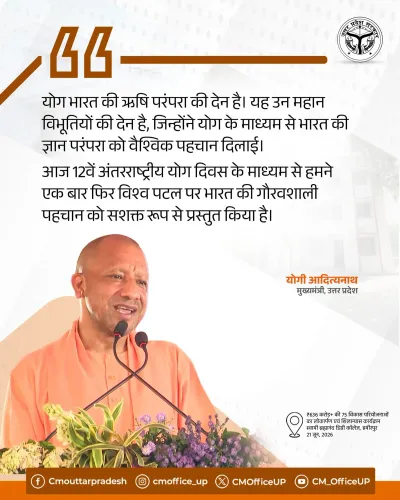
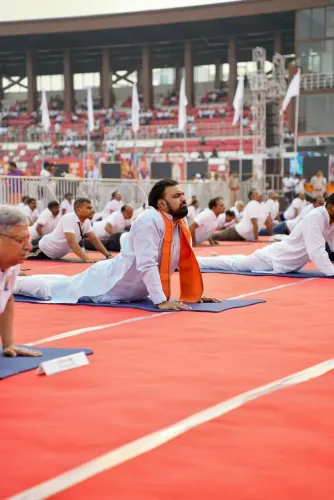
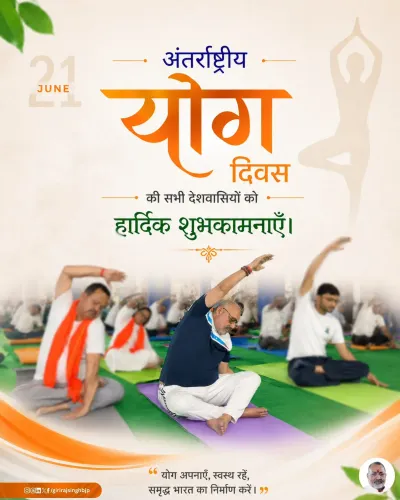
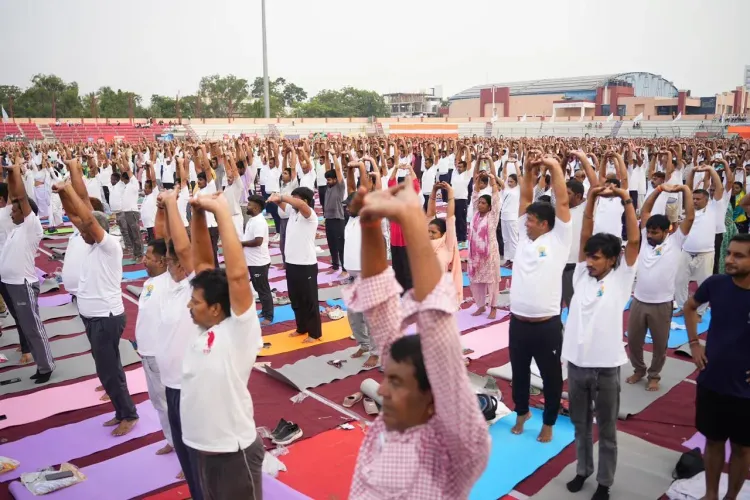
The Chief Minister's Office of Bihar marked the International Day of Yoga on Sunday, 21 June 2026, sharing a message that described yoga as India's ancient and priceless cultural heritage and called on citizens to make daily practice a part of their lives.
Context
The post quotes a speaker — understood to be in the context of the official Bihar government observance — as saying that 'yog Bharat ki prachin evam amulya sanskritik dharohar hai' ('yoga is India's ancient and priceless cultural heritage'), one that provides the foundation for a healthy body, a calm mind, and a balanced life. The statement also carried an appeal to the public to carve out time in their daily schedules for regular yoga practice.
The International Day of Yoga is observed every year on 21 June. It was established by the United Nations General Assembly following an Indian proposal in 2014, and has since grown into a globally recognised observance linking traditional wellness practices with contemporary public-health goals.
Policy Backdrop
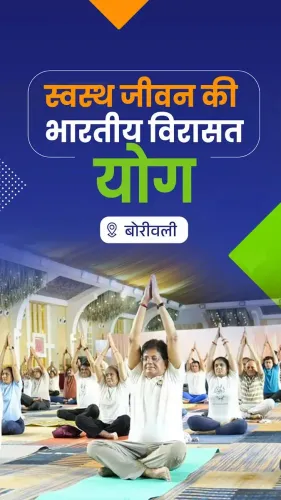
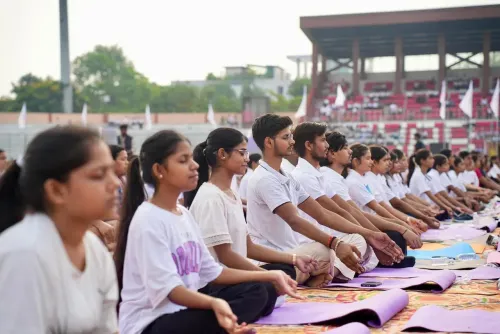
Indian state governments routinely mark the International Day of Yoga with public demonstrations, mass sessions, and official messaging that ties ancient practice to modern wellness. Bihar, an eastern Indian state, has consistently organised public yoga events and wellness programmes as part of its cultural and health outreach calendar.
The broader national pattern positions yoga not merely as physical exercise but as a vehicle for promoting traditional knowledge and preventive health. Chief-minister offices across states have increasingly integrated such cultural observances into their routine official communications, reflecting a deliberate alignment between heritage promotion and public-health messaging.
Stakeholders and Impact
The primary audience for this message is the general public of Bihar, whose residents are being encouraged to adopt yoga as a daily habit. The appeal carries the weight of the state's highest executive office, lending institutional endorsement to what is otherwise a personal wellness choice.
For communities already engaged in yoga — through schools, wellness centres, or informal groups — the message reinforces existing practice. For those yet to begin, the official call to action from the Chief Minister's Office may serve as a point of motivation, particularly given Bihar's large population and the reach of government communication channels.
What's Next
Attention will now turn to whether the Bihar government follows this observance with concrete policy announcements — such as the integration of yoga into school curricula or state health programmes — that translate the cultural messaging into institutional action. Subsequent 21 June observances will be watched to see if Bihar scales up its public yoga events or introduces structured wellness initiatives tied to the annual occasion.
Point of View
The messaging aligns with a broader national discourse that positions traditional knowledge systems as central to India's soft power and wellness agenda. For Bihar specifically, such communications serve a dual purpose: reinforcing the state government's cultural credentials while nudging a large, diverse population toward preventive health behaviours. The real test of intent will come if and when these annual observances translate into concrete programmatic commitments in Bihar's health or education sectors.
NationPress
19 Sept 2026
Frequently Asked Questions
Why does India celebrate International Day of Yoga on 21 June?
The United Nations General Assembly declared 21 June as the International Day of Yoga in 2014 following a proposal by India, recognising the day as the summer solstice and the longest day of the year in the Northern Hemisphere. India has since led global observances each year.
What did Bihar's Chief Minister's Office say on Yoga Day 2026?
The Chief Minister's Office of Bihar posted a message on 21 June 2026 describing yoga as India's ancient and priceless cultural heritage and calling on citizens to make regular yoga practice a part of their daily routines.
Who is the Chief Minister of Bihar?
Nitish Kumar is the Chief Minister of Bihar, having led the state through multiple terms since 2005 and overseen a range of governance initiatives in health, education, and infrastructure.
How does Bihar observe the International Day of Yoga?
The Bihar government routinely marks the International Day of Yoga with public demonstrations, wellness programmes, and official messaging from the Chief Minister's Office encouraging citizens to adopt yoga as a daily health practice.
What is the significance of calling yoga India's cultural heritage?
Framing yoga as India's ancient cultural heritage positions it within a broader national discourse that links traditional knowledge systems to contemporary public health and soft power, going beyond its identity as mere physical exercise to underscore its civilisational roots.