Bihar liquor ban: Company owners face FIR, arrest if consignments seized

Synopsis
Bihar is raising the stakes on its liquor ban: company owners whose consignments are seized will now face FIRs and arrest — a move that shifts legal liability from street-level smugglers to corporate principals. With scanners, tightened check-posts, and fast-track asset trials on the way, this is the most aggressive enforcement push since the 2016 ban. The road transport gap, however, remains conspicuously unaddressed.
Key Takeaways
Prohibition Minister Madan Sahani announced on 12 June that liquor company owners will face FIR and arrest if their consignments are seized in Bihar.
Surveillance at all five border check-posts will be strengthened; large scanners to detect liquor in transit are being procured.
A Prohibition Department review meeting held in Patna involved officials from railways, airports, and border security agencies.
Regular inspections of major trains entering Bihar have been mandated, with strict action ordered against smugglers.
Cases involving disproportionate assets linked to the liquor trade will face speedy trial proceedings .
Observers note that road transport — reportedly a primary smuggling route — remains inadequately addressed in the new measures.
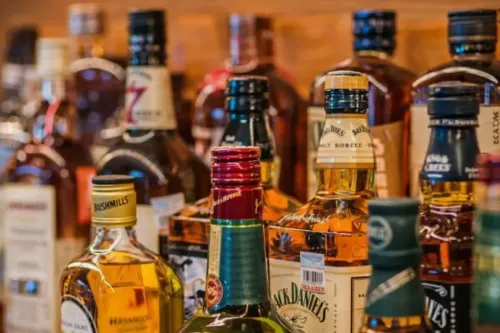
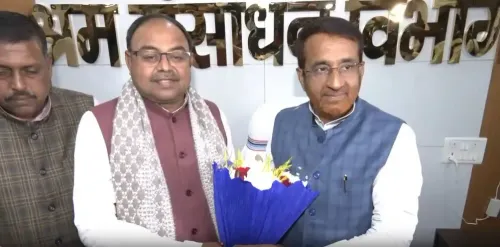
Bihar's Prohibition Minister Madan Sahani on Friday, 12 June announced a significant tightening of the state's liquor ban law, warning that owners of companies whose liquor consignments are seized will face an FIR and subsequent arrest. The announcement, made in Darbhanga, signals the Bihar government's intent to shift accountability up the supply chain — from street-level smugglers to corporate principals.
Key Announcements
Sahani stated that fresh raids will be conducted across multiple locations and that the government is arranging to install large scanners at check-posts to detect liquor in transit. Surveillance is being strengthened at all five check-posts along Bihar's borders, with a specific focus on curbing the inflow of foreign liquor from neighbouring states.
The Minister also confirmed that cases involving disproportionate assets and related offences linked to the liquor trade will be put on a fast-track, subjected to speedy trial proceedings.
What the Review Meeting Decided
A review meeting of the Prohibition Department was held the previous Thursday in Patna, attended by representatives from the railways, airports, and border security agencies. Officials were instructed to intensify efforts against smuggling networks, with special emphasis on regular inspections of major trains entering Bihar. Strict action against smugglers was mandated as a standing order.
No Rollback of Prohibition Policy
Sahani reiterated firmly that there is no proposal under consideration to repeal Bihar's prohibition policy, pushing back against recurring speculation about a possible reversal. Bihar has maintained a total liquor ban since 2016 under Chief Minister Nitish Kumar, making it one of the few large states in India to enforce a complete prohibition regime.
Gaps That Remain
The announcements, however, have drawn attention to a persistent blind spot: a significant portion of illicit liquor reportedly enters Bihar through roadways, not just railways or airports. Critics and observers note that scanner installations and railway checks, while necessary, may not address the bulk of the smuggling problem if road transport monitoring is not equally robust. This is not the first time enforcement gaps along Bihar's extensive road network have been flagged — the issue has surfaced repeatedly in past prohibition reviews.
With the Bihar government now moving to hold company owners legally liable, the pressure on the supply side of the illicit liquor chain is set to intensify. Whether the new measures translate into a measurable drop in seizures — or merely push smuggling networks to adapt — will be the real test of this latest crackdown.
Point of View
Not just its foot soldiers. But Bihar's prohibition enforcement has a structural problem that scanner installations and railway checks cannot fix alone: the bulk of illicit liquor reportedly moves by road, through a network too diffuse for check-post surveillance to contain. The 2016 ban has survived politically, but seizure data year after year suggests supply has never been choked — only rerouted. Until road transport monitoring matches the rhetoric, each new crackdown announcement risks becoming another layer of enforcement theatre.
NationPress
25 Sept 2026
Frequently Asked Questions
What has Bihar's Prohibition Minister announced regarding liquor company owners?
Prohibition Minister Madan Sahani announced on 12 June that whenever foreign liquor is seized in Bihar, an FIR will be registered against the concerned company owner, followed by steps to ensure their arrest. This marks a shift in legal liability from smugglers to corporate principals.
Is Bihar planning to repeal its liquor prohibition policy?
No. Minister Sahani explicitly stated there is no proposal under consideration to repeal the prohibition policy. Bihar has maintained a total liquor ban since 2016 and the government says it intends to make the law more stringent, not roll it back.
What new enforcement measures are being put in place?
The Bihar government plans to install large scanners at check-posts to detect liquor in transit, strengthen surveillance at all five border check-posts, and conduct fresh raids across multiple locations. Regular inspections of major trains entering Bihar have also been mandated.
Who participated in the recent Prohibition Department review meeting?
The review meeting, held in Patna the previous Thursday, was attended by officials from the railways, airports, and border security agencies. Officials were instructed to intensify anti-smuggling efforts and take stringent action against offenders.
What is the concern about road transport and liquor smuggling in Bihar?
Observers have flagged that a significant portion of illicit liquor reportedly enters Bihar through roadways, not just railways or airports. The new measures focus heavily on trains and check-posts, raising questions about whether road transport monitoring is adequate to address the bulk of the smuggling problem.