Bihar Heatwave: Rescheduling Classes for Young Students in Schools and Anganwadi Centres
Synopsis
In response to soaring temperatures in Bihar, District Magistrate Tyagarajan SM has mandated changes to school schedules for young learners, aiming to prioritize their health and safety. The heatwave alert raises concerns about extreme weather conditions impacting vulnerable populations.
Key Takeaways
Class rescheduling mandated for young students due to heatwave.
Classes up to Class V affected, with no sessions after 12:30 PM.
Heatwave expected to last from April 22 to 24 .
Residents are advised to stay indoors during peak hours.
Precautions recommended for vulnerable groups.
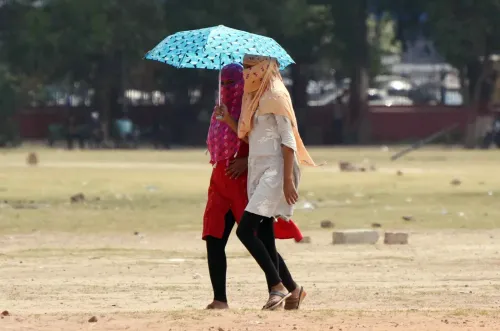
Patna, April 20 (NationPress) As temperatures soar and humidity levels rise in Bihar, District Magistrate Tyagarajan SM has mandated that all government and private educational institutions, along with Anganwadi centres, alter their schedules for young learners.
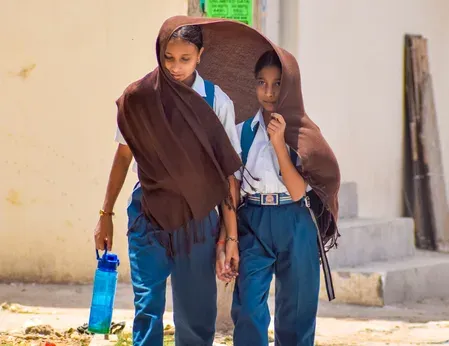
Highlighting the potential risks to children’s health, the District Magistrate expressed that the current heat conditions present a significant threat to well-being.
Utilizing his authority under Section 163 of the Bharatiya Nagarik Suraksha Sanhita, he instructed that no classes for students up to Class V, including pre-schools and Anganwadi centres, should occur post 12:30 PM.
Educational institutions must promptly revise their timetables to comply with this directive.
This order will be effective from April 21, 2026, until April 25, 2026, throughout the district.
Students in Class VI and above will continue their regular schedules.
Furthermore, the India Meteorological Department's Meteorological Centre in Patna has released a heatwave alert for extensive regions in the state.
Officials predict that heatwave conditions will persist across Northwest, Central, and East Bihar in the upcoming days, with temperatures likely escalating between April 22 and 24.
Districts expected to face severe heat include West and East Champaran, Gopalganj, Siwan, and Saran in the northwestern area; Muzaffarpur, Darbhanga, Madhubani, Sitamarhi, Vaishali, and Samastipur in the north-central region; and Patna, Arwal, Jehanabad, Bhojpur, Rohtas, Kaimur, Nalanda, Nawada, and Gaya in southern Bihar.
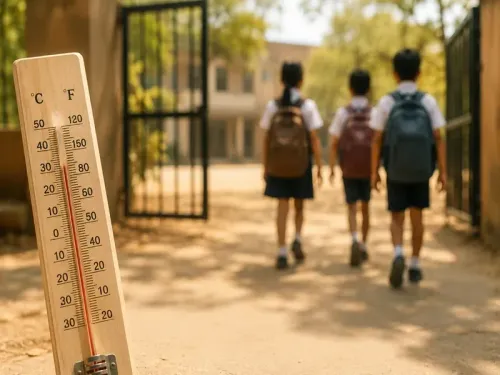
Temperatures are forecasted to hit between 40°C and 42°C, with high humidity potentially increasing the “feels-like” temperature, thereby escalating discomfort.
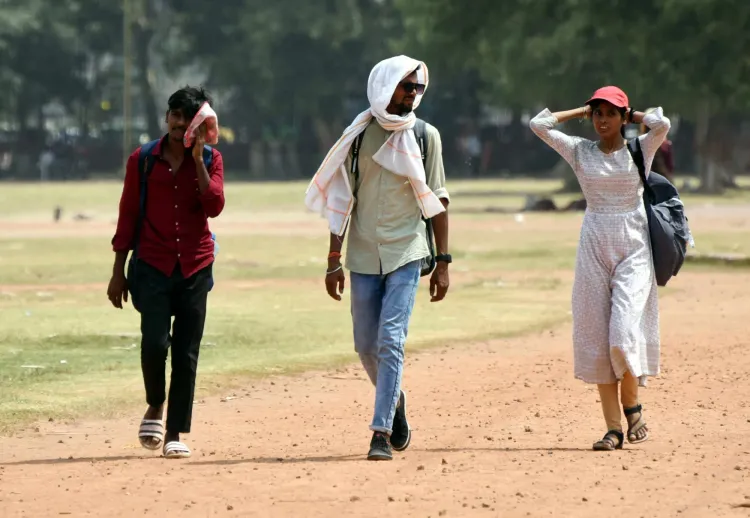
In light of the intensifying heatwave, residents are advised to limit outdoor activities during peak afternoon hours.
The weather bureau has also recommended that individuals stay hydrated, don light and breathable clothing, and take extra precautions for at-risk groups, including the elderly, children, and those with pre-existing health issues.
Point of View
It's imperative to recognize the proactive measures taken by local authorities to safeguard children during this heatwave. While the order to adjust school timings reflects a concern for public health, it also highlights the ongoing challenges posed by extreme weather conditions in India. Addressing the welfare of vulnerable populations must remain a priority.
NationPress
18 Sept 2026
Frequently Asked Questions
What is the reason for rescheduling classes?
Classes are being rescheduled due to rising temperatures and humidity, which pose health risks to young students.
When will the new schedule take effect?
The new schedule will be effective from April 21, 2026, to April 25, 2026.
Which classes are affected by this order?
The order affects students up to Class V, including pre-schools and Anganwadi centres.
What are residents advised to do during the heatwave?
Residents are advised to avoid outdoor activities during peak afternoon hours and stay hydrated.
How high are the expected temperatures?
Temperatures are expected to range from 40°C to 42°C.