Is the Biometric Registration of Myanmar and Bangladeshi Refugees in Mizoram Progressing?
Click to start listening
Synopsis
The biometric enrollment of nearly 31,000 Myanmar refugees and 2,375 Bangladeshi migrants in Mizoram is being conducted despite several challenges. With the ongoing military coup's aftermath, the state faces hurdles in gathering crucial data from remote areas while providing shelter to those in need.
Key Takeaways
- 66% of Myanmar refugees in Mizoram have recorded biometric data.
- Challenges in data collection include technical issues and remote locations.
- Support from local organizations is crucial for the enrollment process.
- Mizoram has become a key refuge for displaced individuals from Myanmar and Bangladesh.
- Biometric data collection is essential for managing refugee needs effectively.
Aizawl, Dec 8 (NationPress) Authorities across various districts in Mizoram have successfully documented the biometric information of approximately 66 percent of the nearly 31,000 Myanmar refugees currently residing in the Northeastern state. These refugees fled their homeland in multiple waves following the military coup that occurred in February 2021, as reported by officials on Monday.
An official from the Mizoram Home Department revealed that biometric records for around 20,335 of the 31,000 Myanmar refugees have been gathered across 11 districts.
In addition, biometric information for approximately 14 percent of the 2,375 Bangladeshi refugees has also been documented in various districts.
Following guidelines from the Ministry of Home Affairs (MHA), the biometric registration process is being conducted via the Foreigners Identification Portal and the Biometric Enrollment system.
The Serchhip district administration was the first to initiate the biometric enrollment drive on July 30, and subsequently, 10 additional districts began the process.
Despite facing challenges such as technical difficulties and limited internet access in remote regions, the district authorities have persevered with the enrollment initiative, although progress has been gradual, according to officials.
In addition to the Myanmar refugees, approximately 2,375 migrants from the Chittagong Hill Tracts (CHT) of southeastern Bangladesh have sought refuge in three districts of Mizoram over the last two years.
The majority of Bangladeshi refugees, estimated to be around 2,000, are residing in Lawngtlai district, which borders both Myanmar and Bangladesh.
Tribal refugees from Bangladesh have also found shelter in Lunglei and Serchhip districts.
Both Myanmar and Bangladeshi refugees are housed in designated camps, as well as in the homes of relatives and rented accommodations throughout all 11 districts of the mountainous region of Mizoram.
While collecting biometric details from refugees in camps is relatively straightforward, it poses a significant challenge for those residing with relatives or in rented accommodations scattered across numerous remote villages, according to officials from the Home Affairs Department.
To address this issue, the district authorities have sought assistance from village councils and civil society organizations, particularly the Young Mizo Association.
The enrollment procedure not only collects biometric data but also gathers biographical information including names, addresses, parents' names, and employment history, both in Myanmar and Mizoram.
Prior to launching the biometric data collection, the Mizoram government provided comprehensive training to district officials on how to gather biometric and biographical data from the refugees.
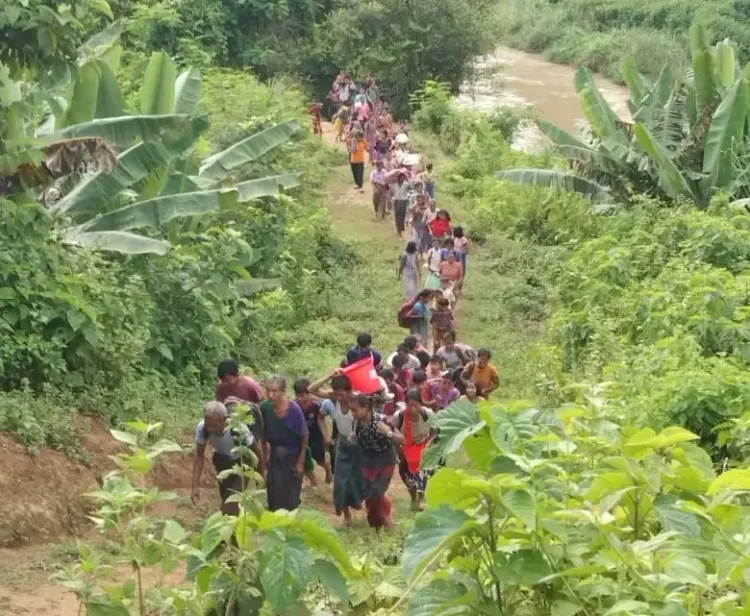
Since the military coup in Myanmar in February 2021, refugees, including women, children, and the elderly, have been entering Mizoram in search of safety, with numbers now nearing 31,000.
Members of the Bangladeshi Bawm community from the CHT have also been residing in Mizoram for over two years after fleeing ethnic violence sparked by a crackdown from the Bangladesh Army.
Most Myanmar refugees hail from the Chin state and share significant ethnic, traditional, and cultural ties with the predominant Mizo community in Mizoram.
The Bawm, also known as Bawmzo, are a smaller ethnic group primarily found in Bangladesh's Chittagong Hill Tracts, and they too share cultural affinities with the Mizos.
Myanmar's Chin state shares a 510 km mountainous border with six districts in Mizoram: Champhai, Siaha, Lawngtlai, Hnahthial, Saitual, and Serchhip, while three districts—Mamit, Lunglei, and Lawngtlai—share a 318 km border with Bangladesh.
There is no fencing along the mountainous international borders of Mizoram with Myanmar and Bangladesh.
Mizoram has also provided refuge to a few thousand displaced tribal individuals following ethnic unrest between the Meitei and Kuki-Zo communities in neighboring Manipur in May 2023.
Point of View
It's crucial to highlight the humanitarian efforts in Mizoram as they undertake the biometric registration of refugees. The challenges faced reflect broader issues of displacement and the need for comprehensive support systems. This initiative is not just about data collection; it’s a vital step towards ensuring the well-being of those seeking refuge in our nation.
NationPress
10/12/2025
Frequently Asked Questions
What is the purpose of the biometric registration?
The biometric registration aims to document the identities of refugees, helping authorities manage their needs and ensure their safety.
How many refugees are currently in Mizoram?
There are nearly 31,000 Myanmar refugees and approximately 2,375 Bangladeshi refugees residing in Mizoram.
What challenges are faced during the registration process?
Challenges include technical glitches, poor internet connectivity, and difficulties in reaching refugees in remote areas.
Who is assisting in the registration process?
Village councils and civil society organizations, especially the Young Mizo Association, are providing support.
Why are many refugees in Mizoram?
Many refugees have fled their countries due to military conflicts and ethnic violence, seeking safety and shelter.