Has Delhi's Air Quality Improved Amidst Persistent Smog?
Synopsis
Delhi's air quality has seen a slight uptick, but pollution levels remain high, leaving residents grappling with persistent smog. The IMD forecasts colder weather ahead, adding to the discomfort. Explore the current situation and what it means for the city.
Key Takeaways
Delhi's AQI shows a slight improvement but remains in the 'poor' category.
Persistent smog continues to affect visibility and air quality.
Weather forecasts indicate colder temperatures and dense fog ahead.
Monitoring air quality is crucial for public health in urban environments.
Residents are encouraged to take precautions against pollution.
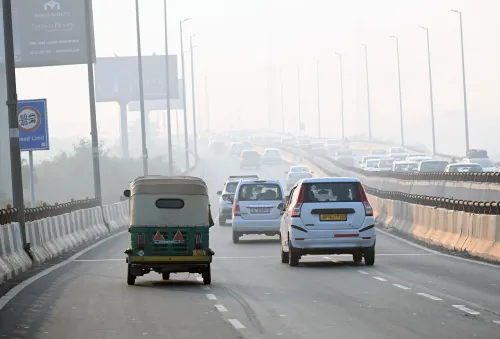
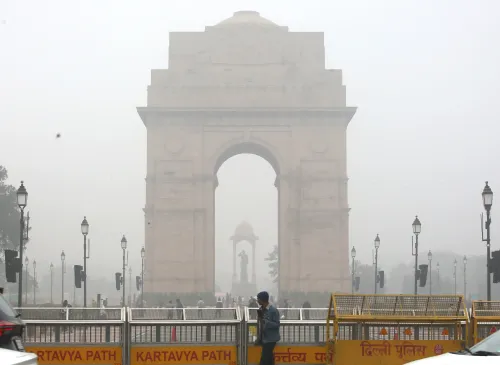
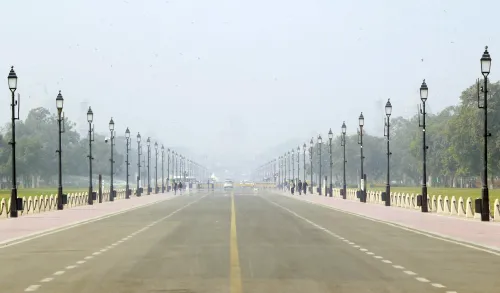
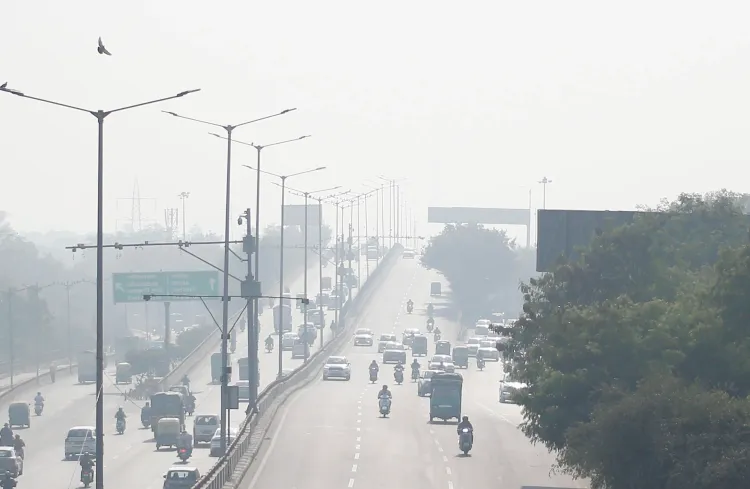
New Delhi, Dec 10 (NationPress) On Wednesday morning, Delhi saw a slight enhancement in its air quality, providing a bit of comfort to its residents, despite the fact that pollution levels remained firmly categorized as 'poor'.
Data from the Sameer app indicated that the overall Air Quality Index (AQI) of the national capital decreased to 269, down from 310 the previous day. Nevertheless, the air quality is still considered unsatisfactory, with a thick layer of visible smog blanketing much of the city.
According to official monitoring, 28 stations across Delhi reported air quality in the 'poor' range, while nine stations fell into the 'very poor' category. The most alarming readings on Wednesday morning were from Dwarka’s NSIT (324) and Bawana (319), indicating severely compromised air quality.
Other areas, including Jahangirpuri, Mundka, Nehru Nagar, Pusa, Vivek Vihar, and Wazirpur, also showed AQI levels exceeding 300, placing them in the 'very poor' range. Only three monitoring locations—Aya Nagar, IGI Airport (T3), and Mandir Marg—recorded relatively better air quality classified as 'moderate'.
On Tuesday, Delhi's morning AQI was recorded at 292, also categorized as 'poor'. Areas like Akshardham, Ghazipur, and Anand Vihar had slipped into the 'very poor' category with readings around 319, highlighting the rapid changes in pollution levels influenced by weather conditions and the accumulation of pollutants.
In addition to ongoing pollution, Delhi is preparing for a significant shift in winter weather conditions.
The India Meteorological Department (IMD) has predicted dense fog and a cold wave for Wednesday, cautioning about reduced visibility and a substantial drop in temperatures. The minimum temperature is anticipated to plummet to 7 degrees Celsius, making early mornings and nights particularly frigid for locals.
The IMD further indicated that the maximum temperature is expected to stabilize around 25 degrees Celsius, suggesting that chilly mornings will persist even as daytime temperatures provide some relief.
With ongoing smog, cold winds, and low temperatures, Delhi residents are likely to endure another difficult week as winter pollution tightens its hold on the city.
Point of View
I want to emphasize the importance of air quality monitoring in urban centers like Delhi. While marginal improvements in the AQI are promising, the persistent pollution levels indicate a pressing need for effective measures to combat air quality issues. Our focus must remain on promoting awareness and solutions to enhance the well-being of residents.
NationPress
22 Sept 2026
Frequently Asked Questions
What is the current AQI in Delhi?
As of Wednesday morning, the AQI in Delhi stands at 269, categorized as 'poor'.
Why is Delhi's air quality a concern?
Delhi's air quality is a concern due to high pollution levels, which can lead to serious health issues for residents.
What weather changes should Delhi residents expect?
Residents should prepare for colder temperatures and dense fog, as forecasted by the IMD.
How can residents protect themselves from poor air quality?
Residents can protect themselves by limiting outdoor activities, using air purifiers indoors, and wearing masks when necessary.