CM Dhami attends Dr. Dhal Singh Bisen's swearing-in as Uttarakhand Governor
Synopsis
Uttarakhand Chief Minister Pushkar Singh Dhami attended the swearing-in of Dr. Dhal Singh Bisen as the state's nominated Governor at Lok Bhawan, Dehradun, on 19 October 2026, marking a formal constitutional transition in the hill state.
Key Takeaways
Dhal Singh Bisen was sworn in as the new Governor of Uttarakhand on 19 October 2026 .
The ceremony was held at Lok Bhawan, Dehradun , the state government's principal administrative complex.
Chief Minister Pushkar Singh Dhami attended and broadcast the event live on social media.
Indian state governors are appointed by the President of India and serve as constitutional heads of their respective states.
Bisen now holds authority over legislative assent, assembly sessions, and formal gubernatorial directives from Raj Bhavan .
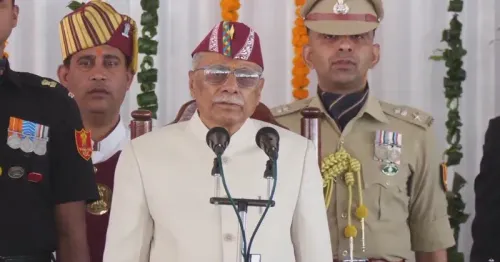
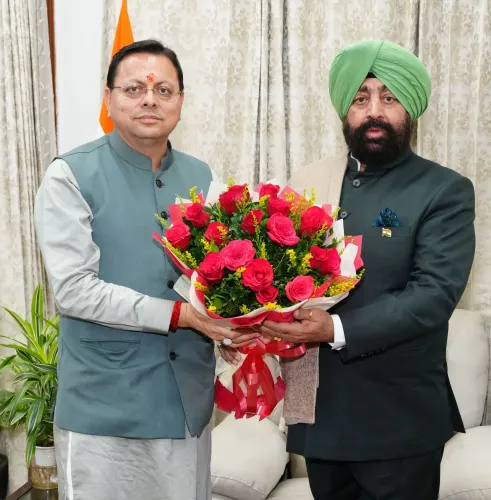
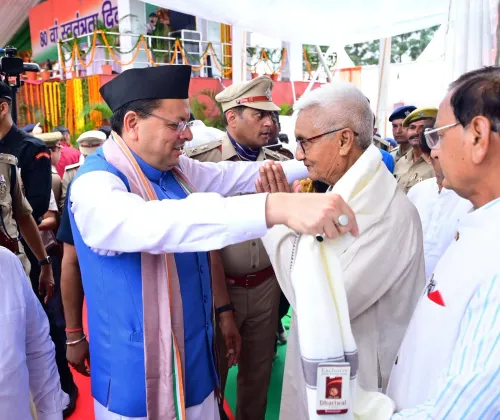
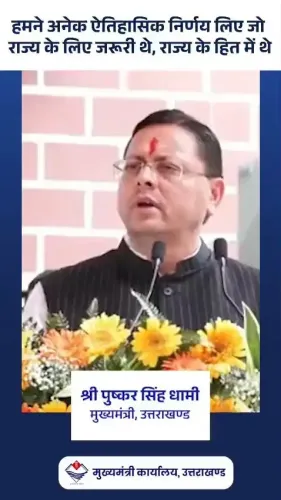
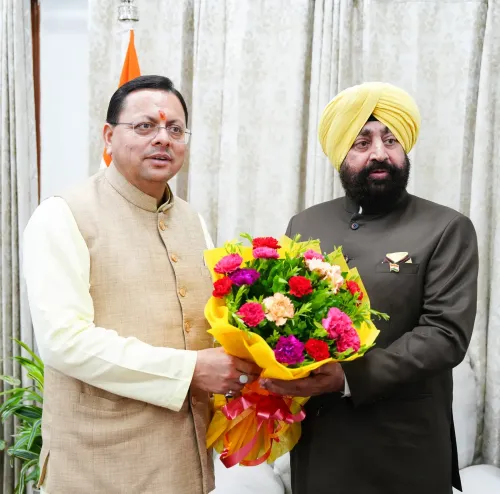
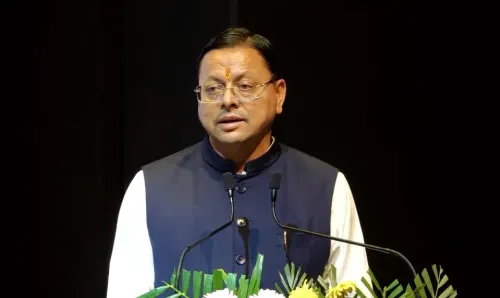
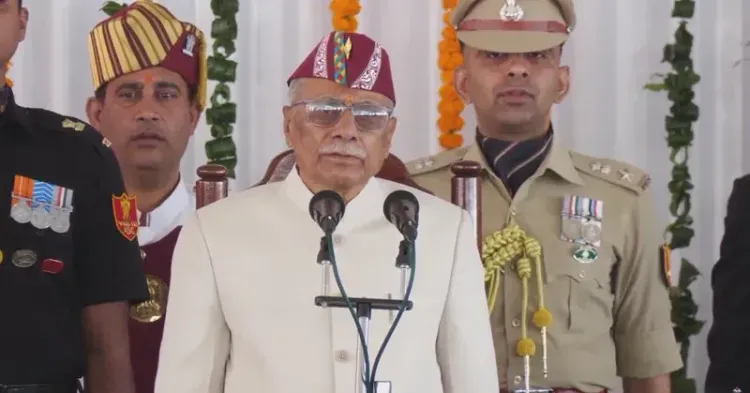
At Lok Bhawan, Dehradun, on Monday, 19 October 2026, Uttarakhand Chief Minister Pushkar Singh Dhami was present as Dr. Dhal Singh Bisen took the oath of office as the newly nominated Governor of the state — a formal constitutional moment that marks the beginning of a new chapter in the state's governance.
Chief Minister Dhami shared the occasion live on social media, writing: 'LIVE: लोकभवन, देहरादून में मनोनीत माननीय राज्यपाल डॉ. ढाल सिंह बिसेन जी के शपथ ग्रहण समारोह में सहभागिता' — ('Participating in the swearing-in ceremony of nominated honourable Governor Dr. Dhal Singh Bisen at Lok Bhawan, Dehradun'). The live broadcast drew public attention to an event that, while procedural in nature, carries real constitutional weight for Uttarakhand.
A constitutional handover at Lok Bhawan
In India's federal architecture, state governors are appointed by the President of India and function as the constitutional head of each state — formally above partisan politics, yet central to how legislation is assented to and how governments are called to form. The swearing-in at Lok Bhawan, the state government's principal administrative complex in Dehradun, followed the established protocol of such transitions, attended by senior state officials and dignitaries.
The Chief Minister's presence at the ceremony is itself a constitutional expectation — the elected executive and the appointed constitutional head together signalling a smooth, cooperative transfer. Such gubernatorial transitions occur periodically across India's 28 states and are an intrinsic part of routine federal administration.
What Dr. Bisen's tenure sets in motion
With the oath administered, Dr. Dhal Singh Bisen formally assumes the responsibilities of Raj Bhavan — the governor's seat — including the power to summon and prorogue the state legislature, give assent to bills, and address the assembly. The initial interactions between the new governor and Uttarakhand's legislative assembly, as well as any early directives or priorities articulated from Raj Bhavan, will set the tone for this working relationship with the Dhami government.
For a Himalayan state navigating ambitious infrastructure projects, disaster resilience mandates, and religious tourism governance — including the Char Dham circuit — the governor's constitutional role, while largely ceremonial in stable times, remains a critical institutional anchor. Watch for the governor's address to the assembly, which will offer the first formal indication of the priorities he intends to champion.
Point of View
But their political texture matters — a governor aligned in temperament with the ruling state government enables smoother legislative passage, while friction can create institutional standoffs. CM Dhami's visible, live-streamed presence at the ceremony signals the BJP-led state government's intent to establish a cooperative working rapport with Dr. Bisen from day one. In a state as strategically and ecologically sensitive as Uttarakhand, where disaster management ordinances and land-use legislation frequently test the governor-CM axis, that early goodwill carries operational value well beyond ceremony.
NationPress
19 Oct 2026
Frequently Asked Questions
Who is the new Governor of Uttarakhand in 2026?
Dr. Dhal Singh Bisen is the newly sworn-in Governor of Uttarakhand, having taken his oath of office at Lok Bhawan, Dehradun , on 19 October 2026 .
Where was the Uttarakhand Governor swearing-in ceremony held?
The swearing-in ceremony was held at Lok Bhawan , the state government's main administrative complex in Dehradun , the capital of Uttarakhand.
Who appoints the Governor of an Indian state?
State governors in India are appointed by the President of India and serve as the constitutional head of their respective states, above the elected government.
Did CM Pushkar Singh Dhami attend the new Governor's oath ceremony?
Yes, Chief Minister Pushkar Singh Dhami was present at the swearing-in and shared a live broadcast of the ceremony on his official social media account on 19 October 2026 .
What are the powers of the Governor of Uttarakhand?
The Governor of Uttarakhand, as constitutional head, holds powers to summon and prorogue the state legislature, give assent to bills passed by the assembly, and formally appoint the Chief Minister and Council of Ministers.