CM Dhami Reaffirms Pledge to Make Uttarakhand a Lead State
Synopsis
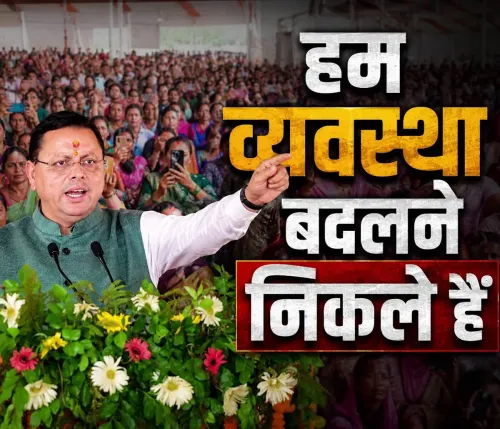
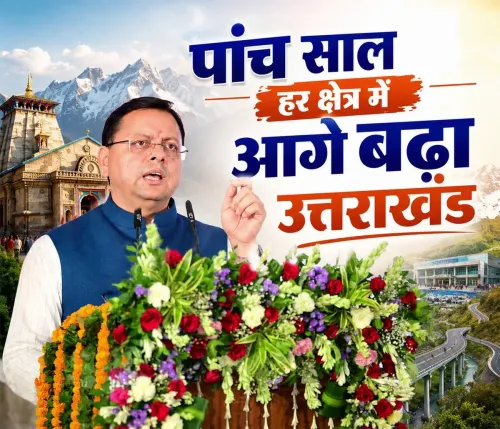
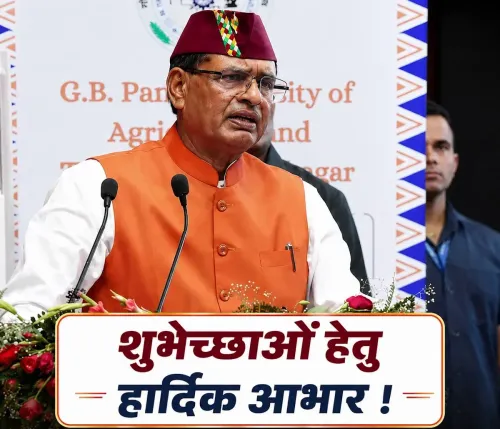
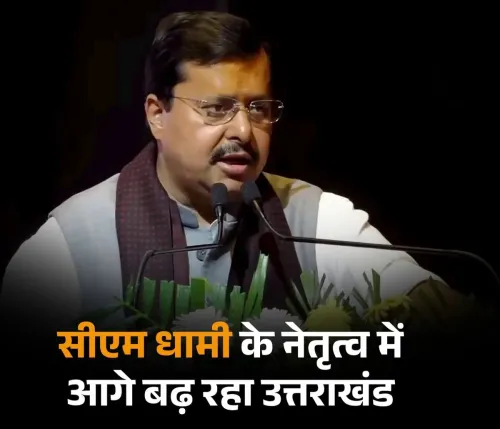
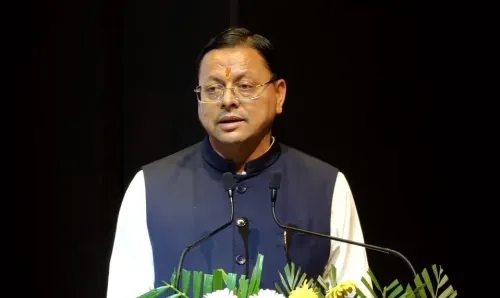
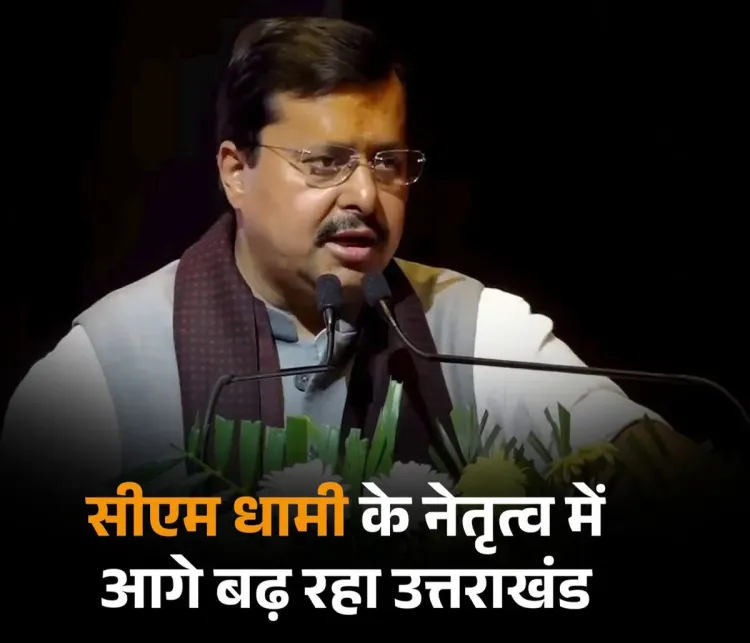
Uttarakhand Chief Minister Pushkar Singh Dhami on 30 May 2026 thanked BJP national office-bearer Nitin Nabin for his wishes and reaffirmed his government's commitment to making Uttarakhand a leading state aligned with Prime Minister Narendra Modi's development vision.
Key Takeaways
CM Pushkar Singh Dhami publicly thanked BJP national office-bearer Nitin Nabin for his wishes on 30 May 2026 .
Dhami reaffirmed his government's resolve to make Uttarakhand a 'leading state' in line with PM Modi 's vision.
The statement reflects the BJP's 'double engine' governance model, premised on central-state alignment under a single party.
Key development focus areas include infrastructure, tourism corridors such as the Char Dham circuit, and ease of living.
Uttarakhand 's roughly 1.1 crore residents are the primary stakeholders in the state's development commitments.
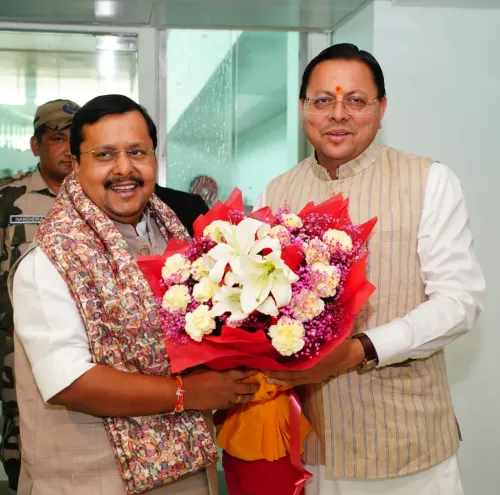
Uttarakhand Chief Minister Pushkar Singh Dhami on Saturday, 30 May 2026, publicly acknowledged wishes extended by BJP national office-bearer Nitin Nabin and used the occasion to restate his government's commitment to developing Uttarakhand as a model state in line with Prime Minister Narendra Modi's vision.
Context
Responding to greetings from Nitin Nabin, referred to in the post as rashtriya adhyaksh (national president/office-bearer), CM Dhami wrote: 'Our government is continuously working on the resolve to make Uttarakhand a leading state in accordance with the vision of respected Prime Minister Shri Narendra Modi.' The post, written in Hindi, was shared from Dhami's official X account on the afternoon of 30 May 2026.
The exchange is a visible example of intra-party communication within the BJP, where state leaders publicly acknowledge central party figures and simultaneously signal policy alignment with the Prime Minister's agenda.
Policy Backdrop
Since winning the 2022 Uttarakhand assembly elections, the Dhami government has anchored its development narrative to the BJP's 'double engine' model — a framework premised on coordinated governance between a BJP-led state and the BJP-led central government. This model has been invoked repeatedly to accelerate delivery of centrally sponsored schemes in infrastructure, tourism, and ease of living.
Prime Minister Modi's development vision for Himalayan states has included tourism corridor development, road and rail connectivity upgrades, and urban governance reforms — all of which Uttarakhand has been positioned to leverage given its strategic location and religious tourism significance, including the Char Dham circuit.
Stakeholders and Impact
The primary stakeholders in this governance commitment are Uttarakhand's roughly 1.1 crore residents, who stand to benefit from improved infrastructure, employment generation, and public services if the stated development targets are met. The state administration, district bodies, and central ministries are the key institutional actors responsible for translating the vision into on-ground outcomes.
For the BJP as an organisation, such public affirmations serve to reinforce party cohesion and project a unified governance narrative ahead of future electoral cycles. They also signal to investors and central planners that Uttarakhand's leadership remains aligned with national priority frameworks.
What's Next
Observers will watch for concrete follow-through in the form of state budget allocations, project launches tied to central schemes, and progress on tourism and infrastructure corridors in Uttarakhand. The state's performance on ease-of-doing-business rankings and per-capita development indices will be key metrics against which CM Dhami's 'leading state' pledge will be measured.
With Uttarakhand aiming to position itself as a preferred destination for investment and sustainable mountain tourism, the alignment between state policy and central vision will remain a defining thread of the Dhami government's public communication through its current term.
Point of View
Particularly between election cycles. For Dhami, who has faced the challenge of delivering visible development outcomes in a geographically difficult Himalayan state, such messaging keeps the aspirational framing of Uttarakhand's growth story alive in the public discourse. The broader arc points to an intensifying competition among BJP-ruled states to be seen as the most effective implementers of the central government's development agenda.
NationPress
14 Oct 2026
Frequently Asked Questions
What did Uttarakhand CM Dhami say on 30 May 2026?
CM Pushkar Singh Dhami thanked BJP national office-bearer Nitin Nabin for his wishes and reaffirmed his government's commitment to making Uttarakhand a leading state in line with PM Narendra Modi's vision.
What is the BJP 'double engine' model for Uttarakhand?
The 'double engine' model refers to the BJP's framework of coordinated governance between a BJP-led state government and the BJP-led central government, aimed at faster delivery of development schemes and infrastructure projects.
Who is Nitin Nabin in the BJP?
Nitin Nabin is a BJP national office-bearer who extended wishes to CM Dhami, prompting Dhami's public acknowledgement and reaffirmation of his governance agenda.
What are the key development priorities of the Dhami government in Uttarakhand?
The Dhami government has focused on infrastructure development, tourism corridors including the Char Dham circuit, road and rail connectivity, and improving ease of living for Uttarakhand's residents.
How does Uttarakhand plan to become a leading state under PM Modi's vision?
Uttarakhand aims to leverage centrally sponsored schemes, tourism infrastructure, and governance reforms under the BJP's 'double engine' model to improve development indices and attract investment.