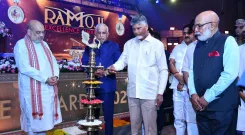
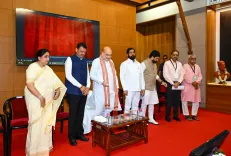
CM Fadnavis at BISM Digital Archive Launch in Pune
Synopsis
Maharashtra CM Devendra Fadnavis attended the launch of a digitisation project by Pune's Bharat Itihas Sanshodhak Mandal, inaugurated by Union Minister Amit Shah, placing 10,000 Maratha-era documents online with 6.5 lakh images to follow in phases.
Key Takeaways
Bharat Itihas Sanshodhak Mandal , Pune's 116-year-old historical research institution, launched a digital archive at www.bismarchives.in .
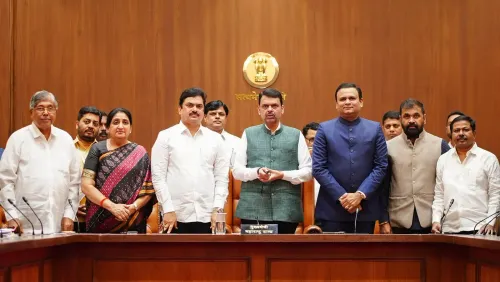
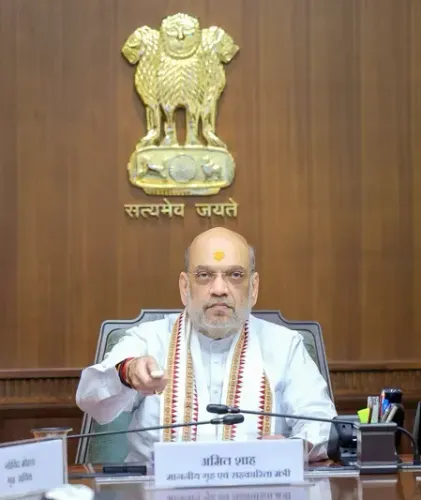
The project was inaugurated by Union Home Minister Amit Shah , attended by CM Devendra Fadnavis .
Around 10,000 historical documents are live in the first phase, drawn from a total collection of approximately 3 lakh documents .
Approximately 6.5 lakh images will be released in subsequent phases, targeting global scholarly access.
Murkumbi Itihas Upakram provided support for the digitisation initiative.
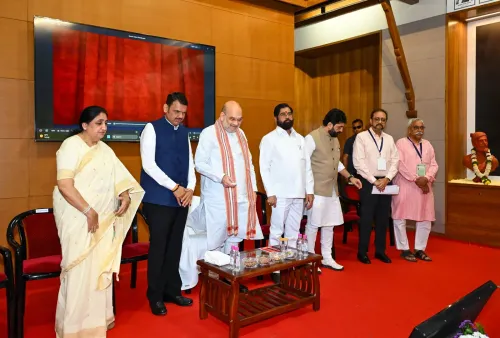
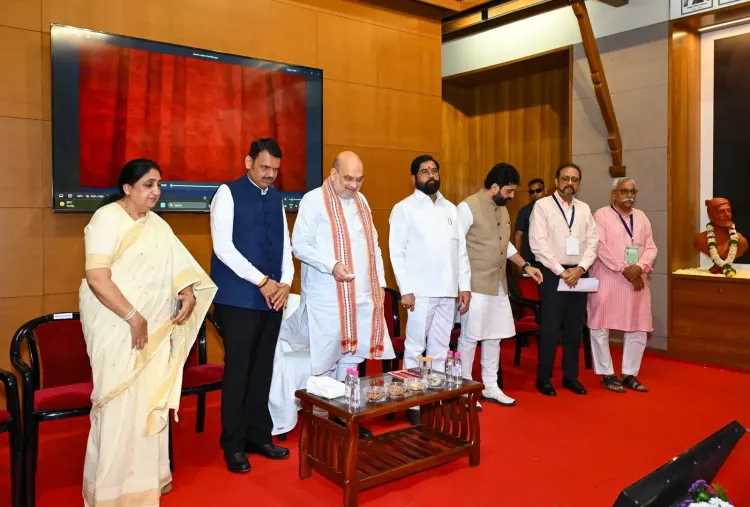
Deputy CMs Eknath Shinde and Sunetra Pawar , and Union MoS Murlidhar Mohol , were among dignitaries present.
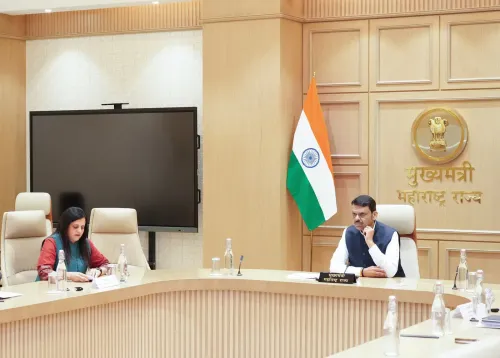
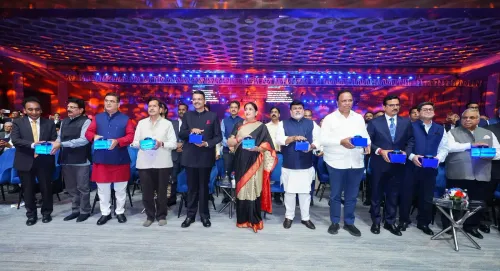
Three lakh documents. Six-and-a-half lakh images. One century-old institution — and now, finally, a digital door open to the world. Maharashtra Chief Minister Devendra Fadnavis attended the launch of a sweeping historical documents digitisation project at the Bharat Itihas Sanshodhak Mandal (BISM) in Pune on Monday, 16 November 2026, inaugurated by Union Home and Cooperation Minister Amit Shah.
116 Years of Archives, Now One Click Away
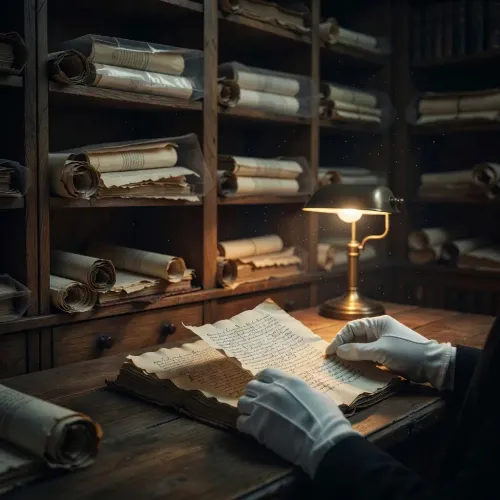
Founded over a century ago, the Bharat Itihas Sanshodhak Mandal has been Pune's quiet custodian of Maratha-era primary sources — manuscripts, records, and artefacts that document one of India's most consequential pre-independence powers. For most of those 116 years, that treasure sat largely behind institutional walls, accessible only to those who could travel to Pune and navigate its reading rooms. The digitisation project, backed by the Murkumbi Itihas Upakram, changes that calculus entirely.
The first phase has already placed around 10,000 historical documents online at www.bismarchives.in. That is the opening chapter. The full arc of the project envisions approximately 6.5 lakh images released in phases, drawing from a preserved collection of roughly 3 lakh historical documents.
What the Archive Holds — and Who It Is For
The BISM collection is not a generic repository. It is specifically weighted toward Maratha records — the administrative, military, and cultural sinews of an empire that stretched across the subcontinent at its peak. Scholars, university researchers, and history enthusiasts anywhere in the world can now query that material without a flight to Pune. CM Fadnavis framed the initiative as 'a digital gateway to the glorious history of the Marathas' — making the archive's ambition explicit: global reach, not just domestic access.
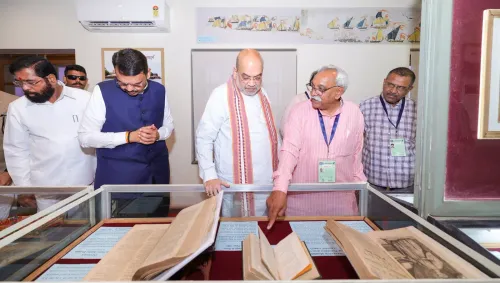
The exhibition of rare historical documents and artefacts, inaugurated alongside the digital archive, offered attendees a physical counterpart to the online launch. Deputy Chief Minister Eknath Shinde, Deputy Chief Minister Sunetra Pawar, and Union Minister of State Murlidhar Mohol were among the dignitaries present.
Maharashtra's Broader Push on Heritage Digitisation
The BISM launch is not an isolated gesture. Maharashtra has pursued a series of heritage digitisation efforts in parallel with national programmes aimed at converting physical archival holdings into publicly accessible online resources. The pattern reflects a wider recognition that physical preservation alone is insufficient — a document that cannot be found, cited, or studied by researchers outside a single city is, in practical terms, only half preserved.
The involvement of the Union Home Ministry at the inauguration signals that this is not purely a state-level cultural project. It positions Maratha historical scholarship within a national conversation about documenting India's regional pre-independence histories and making primary sources available to diaspora communities and international academics alike.
Phases Ahead: The 6.5 Lakh Image Target
The 10,000 documents now live on bismarchives.in represent a fraction of what is coming. With 6.5 lakh images earmarked for phased release, the archive's eventual scale will dwarf most comparable state-level digitisation initiatives. Researchers tracking Maratha administrative history, land records, diplomatic correspondence, and cultural artefacts will find the subsequent phases progressively more valuable. The question of pace — how quickly the remaining phases roll out — will determine whether the project's ambition translates into sustained scholarly impact.
A century-old institution, a three-lakh-document collection, and a government push behind it: Maratha history just found its global address.
Point of View
With Maratha history serving as a unifying symbol for Maharashtra's ruling coalition. The Union Home Ministry's visible role at the inauguration elevates what could have been a routine library project into a nationally framed heritage statement. For BJP and its allies in Maharashtra, backing Maratha historical scholarship carries clear political resonance in a state where Maratha identity remains a potent electoral and social force. The phased rollout of 6.5 lakh images will also be a long-run test of whether the project sustains institutional momentum beyond its high-profile launch day.
NationPress
16 Nov 2026
Frequently Asked Questions
What is the Bharat Itihas Sanshodhak Mandal digital archive?
The Bharat Itihas Sanshodhak Mandal digital archive is an online repository of rare Maratha-era historical documents and artefacts, accessible at www.bismarchives.in, launched in Pune in November 2026.
How many documents are available on bismarchives.in right now?
Around 10,000 historical documents are currently available online in the first phase of the project, with approximately 6.5 lakh images planned for release in subsequent phases.
Who inaugurated the BISM digitisation project?
Union Home and Cooperation Minister Amit Shah inaugurated the digitisation project and the accompanying exhibition of rare historical documents and artefacts in Pune.
What is the total size of the BISM historical collection?
The Bharat Itihas Sanshodhak Mandal has preserved approximately 3 lakh historical documents, from which around 6.5 lakh images are to be digitised and made available in phases.
Why is the BISM archive significant for Maratha history research?
BISM, active for over 116 years, is one of India's foremost custodians of Maratha-era primary sources; digitisation makes this material accessible to scholars and researchers worldwide rather than only to those who can visit Pune in person.