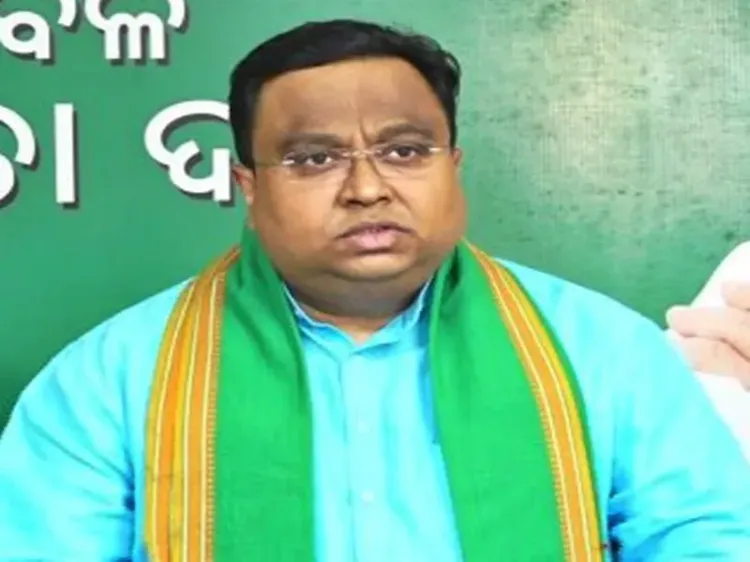
BJD MP Sasmit Patra writes to CEC over Odisha SIR voter deletion concerns
Synopsis
With Odisha's SIR Phase-III set to begin on 30 May, BJD MP Sasmit Patra has gone on record with the Chief Election Commissioner over the alleged wrongful flagging of 9.8 lakh voters for deletion — a number large enough to swing multiple constituencies. The pre-SIR irregularities that prompted the CEO's own corrective order make this more than a routine representation.
Key Takeaways
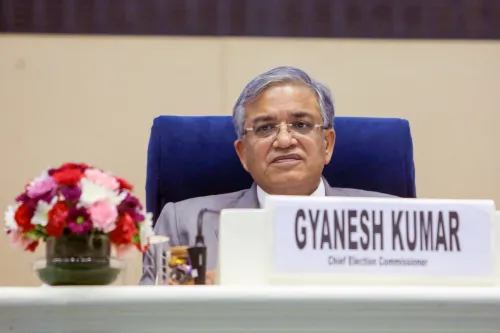
BJD MP Sasmit Patra wrote to CEC Gyanesh Kumar on 14 May 2025 over Odisha's upcoming SIR Phase-III exercise.
Approximately 9.8 lakh voters were allegedly wrongfully identified for potential deletion during the preliminary verification phase.
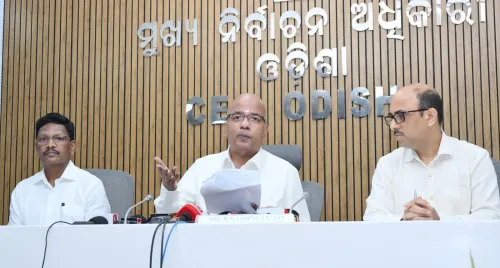
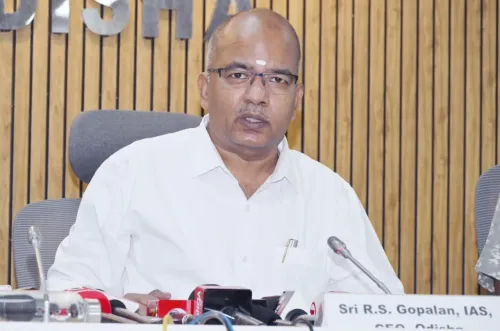
The Chief Electoral Officer, Odisha , had already ordered re-verification after irregularities surfaced in the pre-SIR phase.
Patra demanded documented field inquiries, advance notice to affected voters, and time-bound grievance redressal before deletions proceed.
Around 38,123 Booth Level Officers will conduct door-to-door verification; 27,723 Booth Level Agents have been appointed by political parties.
The full SIR Phase-III exercise in Odisha is scheduled to commence on 30 May .
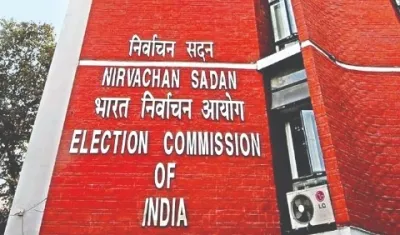
Rajya Sabha MP and senior Biju Janata Dal (BJD) leader Sasmit Patra on Thursday, 14 May wrote to Chief Election Commissioner (CEC) Gyanesh Kumar, urging the Election Commission of India (ECI) to guarantee a transparent and error-free Special Intensive Revision (SIR) Phase-III exercise in Odisha, scheduled to commence on 30 May. The letter follows the ECI's announcement that the SIR drive will cover 16 states and three Union Territories, including Odisha.
Key Concerns Raised
In his letter, Patra drew the CEC's attention to issues that reportedly surfaced during the preliminary verification phase of the SIR exercise in Odisha. Chief among them was the alleged wrongful identification of approximately 9.8 lakh voters for potential deletion from electoral rolls. He also flagged inconsistencies in field verification practices, the unusually large scale of proposed deletions, and a substantial volume of citizen objections filed in response.
Patra further noted that the Chief Electoral Officer (CEO), Odisha, had already issued instructions for re-verification and corrective review after irregularities emerged during the pre-SIR phase — a development he argued underscored the need for heightened procedural safeguards going into the full exercise.
What the BJD MP Demanded
Patra called on the ECI to ensure that voter deletions are preceded by properly documented and verifiable field inquiries, and that affected electors receive adequate advance notice. He also demanded strengthened monitoring in constituencies reporting disproportionately high deletion rates and the establishment of accessible, time-bound grievance redressal mechanisms for citizens.
Beyond individual voter protections, Patra sought periodic public disclosure of constituency-wise progress data, category-wise correction and deletion figures, and focused outreach for vulnerable groups and remote populations. He additionally urged better coordination with political parties and Booth Level Agents (BLAs), and the deployment of dedicated observer teams at critical stages of the SIR process.
The Stakes for Odisha Voters
Patra's letter stressed that accurate electoral rolls are foundational to democratic integrity. 'Equally, it is essential that eligible electors are not inadvertently excluded due to procedural gaps, documentation deficiencies, or verification errors. In a large-scale exercise such as this, even limited lapses may affect a significant number of genuine voters and lead to avoidable public concern,' he wrote.
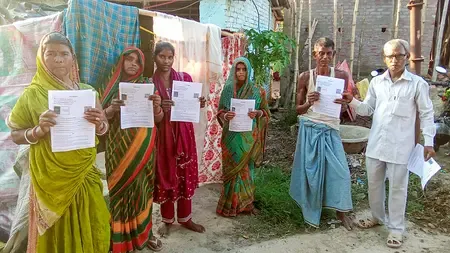
The scale of the exercise in Odisha is considerable: approximately 38,123 Booth Level Officers (BLOs) are set to conduct door-to-door voter verification across the state. To support them, political parties have collectively appointed 27,723 Booth Level Agents.
What Happens Next
Patra expressed hope that the ECI would take timely preventive and corrective measures before the formal SIR process begins, arguing that the pre-SIR experience offers a clear opportunity to reinforce public confidence in the electoral system. The full SIR Phase-III exercise in Odisha is set to begin on 30 May, and the ECI's response to these representations is expected to shape the procedural framework for the drive.
Point of View
Not merely imperfect. Patra's demands for documented field inquiries and constituency-wise public disclosure are procedurally sound, but the ECI's willingness to act on them — rather than treat the letter as routine political correspondence — will be the real test of institutional responsiveness. With the BJD out of power in Odisha and eager to re-establish its grassroots credibility, the political optics of championing voter protection are obvious; that does not, however, make the underlying concern less legitimate.
NationPress
26 Sept 2026
Frequently Asked Questions
What is the SIR Phase-III exercise in Odisha?
The Special Intensive Revision (SIR) Phase-III is an Election Commission of India drive to update and clean electoral rolls across 16 states and three Union Territories, including Odisha, with door-to-door voter verification beginning 30 May 2025. Around 38,123 Booth Level Officers will conduct the verification statewide.
Why has BJD MP Sasmit Patra written to the Chief Election Commissioner?
Patra wrote to CEC Gyanesh Kumar on 14 May 2025 citing alleged irregularities in Odisha's pre-SIR phase, including the wrongful identification of approximately 9.8 lakh voters for potential deletion. He urged the ECI to enforce stricter procedural safeguards before the full SIR exercise begins on 30 May.
What specific safeguards has Patra demanded?
Patra has called for documented and verifiable field inquiries before any voter deletions, adequate advance notice to affected electors, strengthened monitoring in high-deletion areas, accessible grievance redressal mechanisms, periodic public disclosure of constituency-wise data, and the deployment of dedicated observer teams during critical SIR stages.
What happened during the pre-SIR phase in Odisha?
The preliminary verification phase reportedly threw up inconsistencies in field verification practices and an unusually large volume of proposed deletions, prompting the Chief Electoral Officer, Odisha, to issue instructions for re-verification and corrective review. Citizens also filed a substantial number of objections in response to the proposed deletions.
Who are Booth Level Agents and what role do they play in the SIR?
Booth Level Agents (BLAs) are representatives appointed by political parties to assist and monitor the voter verification process at the booth level. For Odisha's SIR Phase-III, political parties have collectively appointed 27,723 BLAs to work alongside the 38,123 Booth Level Officers conducting door-to-door verification.