Karnataka BJP alleges conspiracy to enrol Bangladeshi nationals in voter rolls
Synopsis
Karnataka BJP's R. Ashoka has alleged that BLOs are distributing voter enrolment forms on streets outside mosques — not door-to-door — to register an estimated 20 lakh Bangladeshi residents ahead of future elections. The charge, made at a Bengaluru press conference, escalates the national debate over the SIR exercise into a sharp state-level political confrontation, with BJP demanding arrests and writing to the Election Commission.
Key Takeaways
Karnataka BJP leader R.
Ashoka alleged on 3 July that the Congress government is facilitating enrolment of Bangladeshi nationals in state voter rolls via the Special Intensive Revision (SIR) exercise.
Ashoka claimed Booth Level Officers (BLOs) were distributing forms on streets and outside mosques instead of conducting mandatory door-to-door verification.
BJP alleged approximately 20 lakh Bangladeshi residents live in Karnataka, including in Bengaluru , Madikeri , and Chikkamagaluru .
Ashoka demanded criminal cases against responsible officials and announced letters to the Central Election Commission and Karnataka Chief Electoral Officer .
On the drought front, BJP demanded ₹10,000 crore in crop loss relief, citing reservoir storage dropping from 335.292 TMC to 66.099 TMC year-on-year across 22 reservoirs .
Shivakumar was also accused of retaining control of BDA and BMRDA and of staying silent on Tamil Nadu 's opposition to the Mekedatu project.
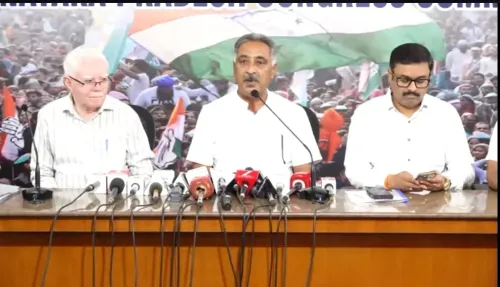
Karnataka Bharatiya Janata Party (BJP) on Friday, 3 July alleged that the state's Congress government is facilitating the illegal enrolment of Bangladeshi nationals in Karnataka's electoral rolls through the ongoing Special Intensive Revision (SIR) exercise. The party demanded criminal action against officials allegedly flouting Election Commission of India (ECI) guidelines.
Key Allegations at the Press Conference
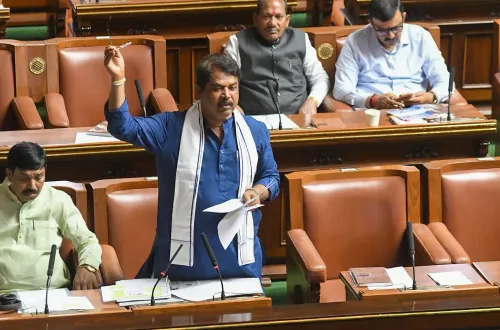
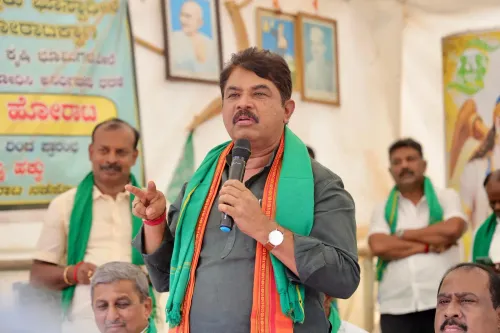
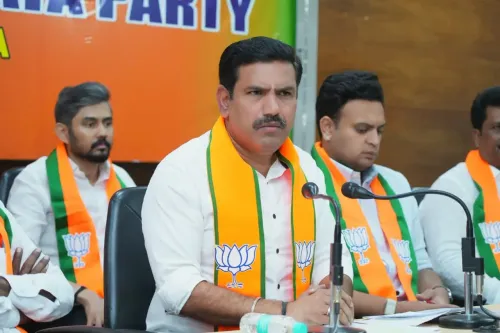
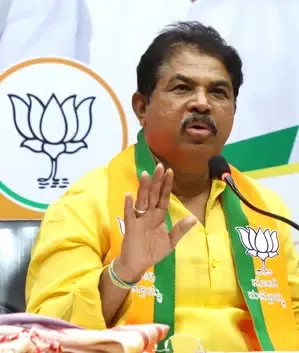
Addressing reporters in Bengaluru, BJP leader R. Ashoka alleged that Booth Level Officers (BLOs) were distributing Enumeration Forms on streets rather than conducting the mandatory door-to-door household verification. He called this a deliberate 'conspiracy' to register Bangladeshi residents as voters.
'The Election Commission is conducting the Special Intensive Revision from the perspective of national security, and this is also the intention of the Central Government. However, the Congress government has turned Karnataka into a paradise for Bangla people,' Ashoka alleged.
Ashoka further claimed that enrolment drives were being conducted openly outside Haj Bhavans and mosques — specifically naming Mahadevapura and Byatarayanapura — rather than through the prescribed household process. He alleged there were approximately 20 lakh Bangladeshi residents in Karnataka, including in Bengaluru, Madikeri, and Chikkamagaluru districts, and claimed their names did not appear in the 2002 electoral rolls.
Demands and Letters to Election Authorities
Ashoka announced he would write to both the Central Election Commission and the Karnataka Chief Electoral Officer seeking immediate action. 'I demand that criminal cases be registered and the officials responsible for permitting such activities be arrested,' he said.
He also alleged that electoral records from the 2002 rolls in one area of Yelahanka had not been uploaded online, claiming specific communities were being targeted. Ashoka further accused the Congress of contradictory positioning — publicly opposing the SIR exercise while simultaneously urging people to enrol through it to avail government guarantee schemes.
Water Crisis and Drought Allegations
Ashoka also turned his attack toward Karnataka's drought situation, alleging that ministers had failed to visit affected areas despite sharply declining reservoir levels. He cited data claiming Karnataka's 22 reservoirs collectively held 335.292 TMC of water during the corresponding period last year, while current storage stood at only 66.099 TMC. Major reservoirs including Almatti, Tungabhadra, Hidkal, and Bhima were reportedly facing severe shortages.
He demanded the government immediately earmark ₹10,000 crore for crop loss compensation, constitute a drought task force, and establish goshalas to support livestock. He also criticised Chief Minister D.K. Shivakumar for allegedly advising farmers on crop cultivation during water shortages, saying farmers needed relief measures, not guidance.
Mekedatu Project and Administrative Criticism
Ashoka accused the state government of silence over Tamil Nadu's opposition to the Mekedatu balancing reservoir project. 'Despite Tamil Nadu opposing Mekedatu, the Chief Minister has not spoken against it. Instead, water is being released to Tamil Nadu. Not even Rs 10 has been allocated for the Mekedatu project. D.K. Shivakumar is siding with Tamil Nadu,' he alleged.
He also alleged that Shivakumar had retained high-revenue agencies — the Bangalore Development Authority (BDA) and the Bangalore Metropolitan Region Development Authority (BMRDA) — under his direct control, while distributing other departments to ministers. Ashoka remarked that though Shivakumar had completed one month as Chief Minister, there was 'no freshness' in the administration, calling it 'old wine in a new bottle.'
The Congress government in Karnataka is yet to respond formally to these allegations. The Election Commission's response to any formal complaint from BJP is awaited.
Point of View
But they rest almost entirely on one leader's press conference claims — without documentary evidence presented publicly. The SIR exercise is an ECI-mandated process, and allegations of systemic manipulation by BLOs would require corroboration from the Commission itself, which has not yet responded. What is notable is the BJP's framing: conflating a procedural complaint about BLO conduct with the broader national anxiety over illegal immigration. That conflation is electorally potent in Karnataka, where the BJP is in opposition and seeking a wedge issue. The drought allegations, buried in the same presser, deserve separate scrutiny — a drop from 335 TMC to 66 TMC in reservoir storage is a serious governance indicator that should not be overshadowed by the voter-roll controversy.
NationPress
2 Oct 2026
Frequently Asked Questions
What has Karnataka BJP alleged about the Special Intensive Revision exercise?
Karnataka BJP has alleged that Booth Level Officers are distributing voter enrolment forms on streets and outside mosques — rather than conducting mandatory door-to-door verification — to register Bangladeshi nationals in the state's electoral rolls. BJP leader R. Ashoka made these allegations at a press conference in Bengaluru on 3 July, calling it a 'conspiracy' by the Congress government.
What is the Special Intensive Revision (SIR) exercise?
The Special Intensive Revision is an Election Commission of India-mandated process to update and clean up electoral rolls, conducted through BLOs who are required to verify voter details via door-to-door visits. The BJP has alleged that the process is being misused in Karnataka to enrol ineligible residents.
What action has BJP demanded over the voter enrolment allegations?
BJP's R. Ashoka demanded that criminal cases be registered against officials who allegedly permitted irregular enrolment drives. He also announced he would write formally to the Central Election Commission and the Karnataka Chief Electoral Officer seeking immediate corrective action.
What did BJP allege about Karnataka's water crisis?
BJP alleged that Karnataka's 22 reservoirs currently hold only 66.099 TMC of water, compared to 335.292 TMC during the same period last year — a sharp decline. Ashoka demanded ₹10,000 crore in crop loss compensation, a drought task force, and the establishment of goshalas for livestock support.
What did BJP allege about the Mekedatu project?
BJP alleged that Chief Minister D.K. Shivakumar has remained silent despite Tamil Nadu's opposition to the Mekedatu balancing reservoir project, and accused him of siding with Tamil Nadu. Ashoka also alleged that no funds have been allocated for the Mekedatu project by the state government.