Karnataka BJP demands halt to Permanent Resident Certificates, calls SIR process hijacked
Synopsis
Karnataka's Leader of Opposition R. Ashoka has accused the state government of weaponising the Special Intensive Revision process — meant solely to verify voter eligibility — by issuing Permanent Resident Certificates, allegedly to undocumented Bangladeshi nationals. The charge cuts to the heart of a simmering national debate on citizenship, deportation, and state versus Centre authority.
Key Takeaways
Ashoka , Leader of Opposition in Karnataka, alleged on 13 July that the state government is issuing Permanent Resident Certificates to undermine the SIR voter-verification process.
Ashoka claimed there are approximately 2 crore Bangladeshi nationals in India and warned that issuing certificates would make deportation legally impossible.
He asserted that only the Centre holds constitutional authority to grant citizenship or order deportation.
The BJP also alleged the Karnataka government demanded ₹10,000 crore in drought relief from the Centre without conducting a mandatory survey or formally declaring drought.
Ashoka alleged that KRS reservoir water is being diverted to Tamil Nadu instead of reaching farmers in Chamarajanagar and Mysuru .
He accused the Congress-led government of failing to honour its pre-election guarantee promises.
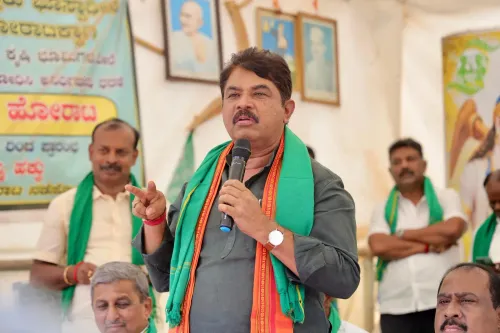
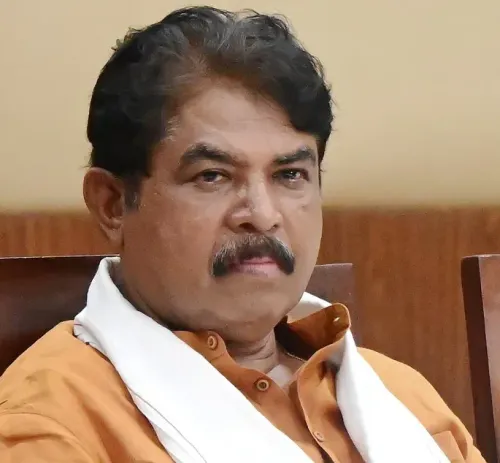
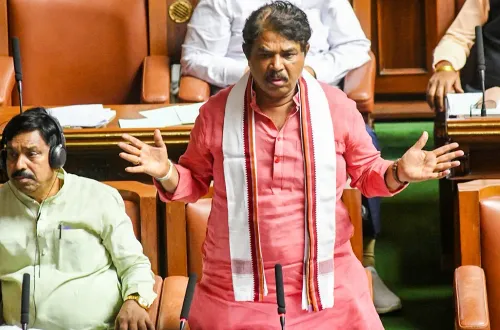
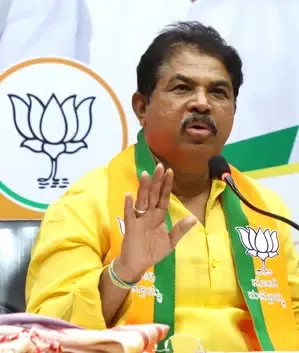
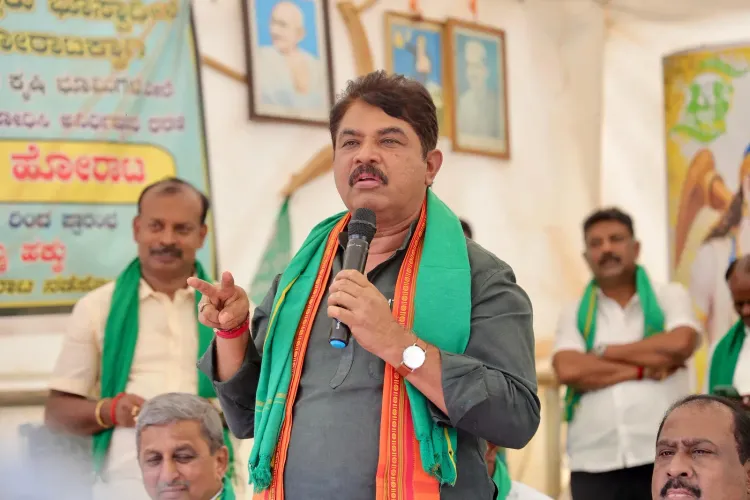
Senior Bharatiya Janata Party (BJP) leader and Leader of Opposition in the Karnataka Assembly, R. Ashoka, on Monday, 13 July alleged that the Karnataka government was subverting the Special Intensive Revision (SIR) process by issuing Permanent Resident Certificates, and demanded that the practice be stopped immediately. Ashoka made the allegations at a press conference in Chamarajanagar, raising concerns over national security and what he described as minority appeasement.
The SIR Controversy
The Special Intensive Revision process, as Ashoka explained, is designed to extend voting rights exclusively to Indian citizens. He alleged that by issuing Permanent Resident Certificates under this framework, the state government was enabling undocumented residents — including, he claimed, approximately 2 crore Bangladeshi nationals — to entrench themselves legally in the country.
'This is endangering the country's security, and this process should be stopped immediately,' Ashoka said. He further argued that once certificates are issued to such individuals, deportation becomes legally untenable. 'If certificates are issued to such people, it will become impossible to send them back,' he alleged.
Constitutional Authority and Political Blame
Ashoka underscored that the power to grant citizenship rests solely with the Centre, not state governments. He drew a parallel with West Bengal, alleging that large-scale Bangladeshi migration occurred during the tenure of All India Trinamool Congress (TMC) chief Mamata Banerjee, and criticised the Indian National Congress (Congress) for not raising objections at the time.
'The government has resorted to this conspiracy to appease minorities,' he alleged, adding that cases against Muslim organisations in Karnataka had already been withdrawn — a claim he cited as evidence of a pattern. Notably, the Karnataka government has not publicly responded to these specific allegations as of the time of this report.
Drought Relief and Farmer Grievances
Ashoka also trained his fire on the state government's handling of drought conditions, alleging that Chief Minister D.K. Shivakumar had failed to formally declare drought-affected areas before demanding ₹10,000 crore in relief from the Centre at a Karnataka Pradesh Congress Committee (KPCC) meeting.
'A responsible government must first conduct a survey and submit a report to the Centre to receive relief,' he said, pointing out that the Centre releases funds under the State Disaster Response Fund (SDRF) only after an official survey and report. He questioned the state's accounting of funds already disbursed under SDRF in previous years.
Ashoka also alleged that water from the KRS reservoir was being diverted to Tamil Nadu instead of being released to farmers, particularly in rain-deficient districts such as Chamarajanagar and Mysuru. He demanded that compensation be announced for farmers advised against cultivating water-intensive crops.
Guarantee Scheme Criticism
Rounding off his press conference, Ashoka alleged that the Congress-led Karnataka government had betrayed voters on its pre-election guarantee promises. 'What was promised in the manifesto is one thing; what they are doing now is another,' he charged, accusing the government of misleading the public during the election campaign.
With assembly sessions and local body elections on the horizon, the BJP's escalating pressure on the SIR process and drought relief is likely to intensify as the opposition seeks to consolidate its position in Karnataka.
Point of View
Which is an Election Commission process, and Permanent Resident Certificates, which are a state administrative tool — without establishing a direct legal link between the two. That conflation is the weakest point of his argument, and one the Karnataka government could easily rebut with procedural clarifications. The broader charge, however, taps into a nationally charged debate on undocumented migration that the BJP has consistently used to electoral effect. The simultaneous attack on drought relief handling suggests the BJP is attempting a two-front pressure campaign: identity politics and governance failure. Whether the SIR allegation holds legal water matters less, in political terms, than whether it holds public attention in the run-up to the next electoral cycle in Karnataka.
NationPress
12 Oct 2026
Frequently Asked Questions
What is the Special Intensive Revision (SIR) process?
The Special Intensive Revision (SIR) is an Election Commission of India process to update electoral rolls and verify that voting rights are extended only to Indian citizens. R. Ashoka alleged that the Karnataka government is misusing this process by simultaneously issuing Permanent Resident Certificates to undocumented residents.
Why does R. Ashoka say Permanent Resident Certificates are a security risk?
Ashoka alleged that issuing such certificates to undocumented Bangladeshi nationals would make it legally impossible to deport them, since formal documentation could be used to contest removal orders. He claimed approximately 2 crore Bangladeshi nationals are currently in India.
Who has the authority to grant citizenship in India?
Under the Indian Constitution, only the Central Government holds the authority to grant citizenship or order deportation. Ashoka used this to argue that the Karnataka state government is overstepping its jurisdiction by issuing residency certificates.
What are the BJP's allegations on drought relief in Karnataka?
Ashoka alleged that Chief Minister D.K. Shivakumar bypassed the mandatory survey-and-report process required before seeking Central drought relief, yet demanded ₹10,000 crore from the Centre at a KPCC meeting. He also questioned how SDRF funds from previous years were utilised.
What did Ashoka allege about KRS reservoir water?
Ashoka alleged that water from the KRS reservoir was being secretly diverted to Tamil Nadu instead of being released to farmers in rain-deficient districts like Chamarajanagar and Mysuru, and demanded compensation for farmers told not to grow water-intensive crops.