Kerala BJP Denounces Left and Congress for Ignoring Expat Concerns Amid Middle East Crisis
Synopsis
Rajeev Chandrasekhar, President of Kerala BJP, has accused the Left and Congress of prioritizing vote-bank politics over the safety of Malayali expatriates amid rising tensions in the Middle East. He stresses the need for political accountability and the protection of expatriate interests.
Key Takeaways
Political Accountability: Leaders must prioritize community safety over political gains.
Geopolitical Relevance: Rising tensions in the Middle East directly affect Malayali expatriates.
Economic Impact: Expatriate remittances are vital for Kerala's economy.
Community Concerns: Political responses should address the real concerns of expatriates.
Call for Clarity: Political leaders need to take clear stances on global conflicts.
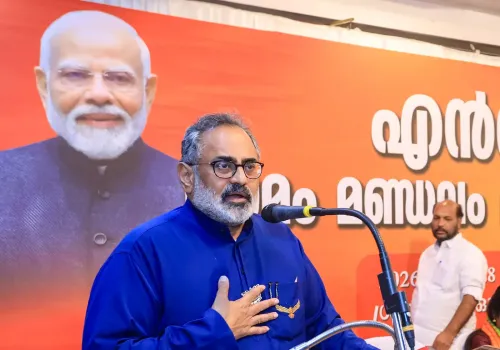
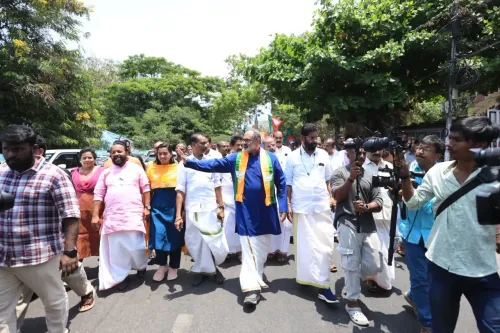
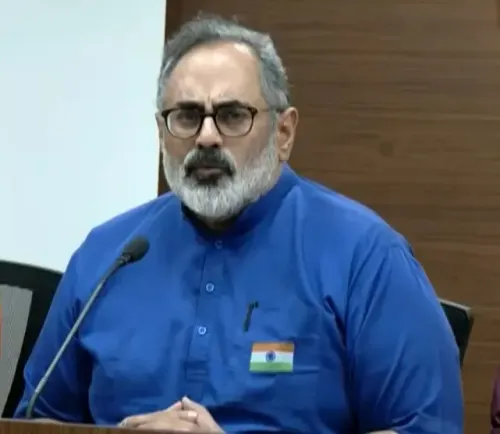
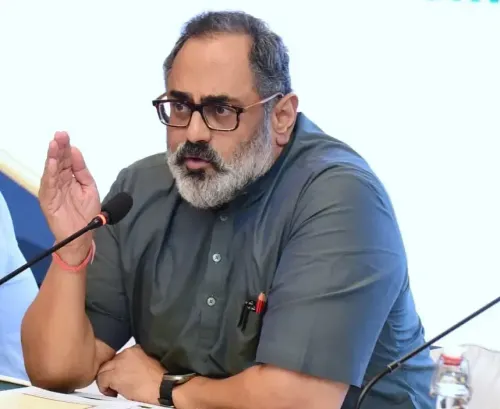
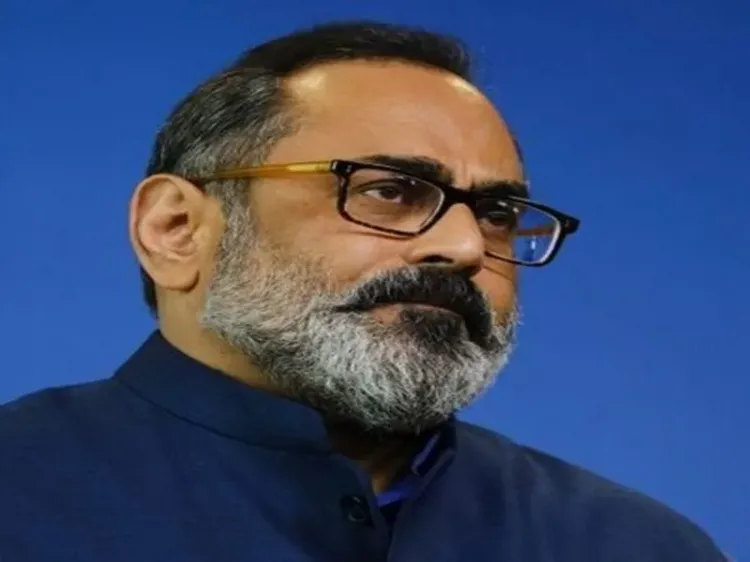
Thiruvananthapuram, March 4 (NationPress) In light of escalating tensions between Iran and Gulf nations, Rajeev Chandrasekhar, President of Kerala BJP, on Wednesday criticized both the ruling Left and the Opposition Congress for neglecting the worries of Malayali expatriates in GCC countries, labeling their actions as "appeasement politics".
Chandrasekhar emphasized that Iran's assaults on Gulf nations have direct repercussions for countless families in Kerala, considering the state's profound economic and social ties to the region.
“By disregarding this critical reality, pro-Iran sentiments are emerging in Kerala. Both the Left and Congress-led alliances are taking stances motivated by electoral gains,” he claimed, asserting that such tactics ultimately foster religious extremism.
He reiterated that the stance of the Central government and the BJP is clear—prioritizing the safety and welfare of Indians abroad, regardless of their location.
“There is no political agenda in safeguarding our citizens overseas,” he remarked, while condemning the CPI(M) and Congress for failing to clearly denounce Iran's actions against Gulf nations.
The BJP leader affirmed that the party in Kerala stands resolutely with Malayali expatriates employed throughout GCC nations, which represent the highest concentration of overseas workers from the state.
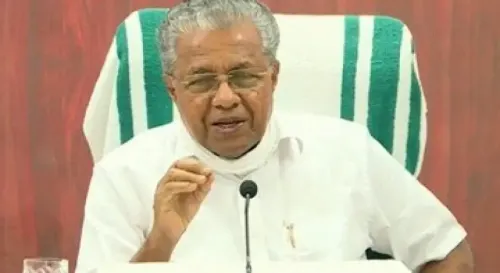
Chandrasekhar also took aim at Chief Minister Pinarayi Vijayan and Congress leader Priyanka Gandhi Vadra, questioning their silence regarding the reported killings of Christians in nations like Syria and Nigeria.
While they voice concerns over situations in Gaza and Iran, he inquired why they remain silent about violence targeting Christians elsewhere.
Chandrasekhar stated that Iran has executed attacks on GCC countries without provocation, and the hesitance of Kerala's political leaders to respond decisively is “condemnable”.
He urged political parties to prioritize the safety and interests of the populace, especially the expatriate communities whose livelihoods are intricately linked to the Gulf region.
With approximately 2.5 million individuals from Kerala working in various Middle Eastern countries, remittances from expatriates have been a fundamental pillar of the state’s economy over the past fifty years.
Point of View
The Kerala BJP's allegations against the Left and Congress highlight a crucial intersection of politics and community safety. The focus on expatriate welfare reveals the complexities of local political dynamics, urging a need for leaders to prioritize their constituents' security over electoral politics.
NationPress
3 Oct 2026
Frequently Asked Questions
What are the implications of Iran's actions for Keralites?
Iran's attacks on Gulf nations have significant implications for Keralites, as many families have strong economic ties to the region, with approximately 2.5 million Keralites working there.
Why does BJP accuse Left and Congress of appeasement?
BJP accuses the Left and Congress of engaging in appeasement politics by ignoring the safety concerns of Malayali expatriates in favor of electoral gains.
What is the stance of the Central government regarding expatriates?
The Central government's position, as reiterated by BJP leaders, is to prioritize the safety and security of Indians abroad, regardless of the country.
How does this situation affect Kerala's economy?
With remittances from expatriates being a key economic pillar for Kerala, any instability in the Gulf region could adversely affect the state's economy.
What criticism did Chandrasekhar have for local leaders?
Chandrasekhar criticized local leaders for their silence on violence against Christians in other countries while they express concern over issues in Gaza and Iran.