Why is BJP Denying Tickets to Family Members of MLAs and MPs for the Maha Municipal Elections?
Synopsis
In a bold move, the BJP has decided to deny election tickets to the relatives of its sitting leaders in Maharashtra's upcoming local body elections. This strategic shift aims to address dynasty politics and promote grassroots party workers, marking a significant change from previous practices.
Key Takeaways
BJP's new policy denies tickets to relatives of sitting leaders.
Aims to combat dynasty politics and enhance transparency.
Immediate candidate withdrawals indicate potential unrest.
Effort to boost opportunities for dedicated party workers.
Significant shift from past practices of awarding multiple tickets to families.
Mumbai, Dec 29 (NationPress) In a major strategic transformation ahead of the forthcoming local elections in Maharashtra, the Bharatiya Janata Party (BJP) has made a daring choice to withhold tickets from the immediate family members of its current Ministers, Members of Parliament (MPs), and Members of the Legislative Assembly (MLAs).
This new policy is designed to address accusations of "dynasty politics" (Parivarvad) and expand its appeal to a wider voter demographic by favoring dedicated party workers over the relatives of prominent leaders.
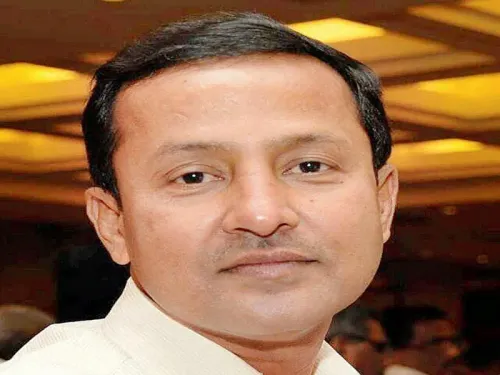
BJP MP Dhananjay Mahadik officially shared the party’s updated position during a press conference, asserting that this initiative will be enforced statewide to promote transparency and bolster grassroots participation.
“This resolution was reached in a high-level meeting. As disciplined members of the party, we adhere to and respect this directive,” Mahadik commented.
The repercussions of this decision were swift, prompting several high-profile contenders to withdraw their candidacies. For instance, Krishnaraj Mahadik, the son of MP Dhananjay Mahadik, retracted his nomination in Kolhapur following the party's instruction.
In Nashik, the son of BJP MLA Devayani Farande and the daughter of MLA Seema Hire also opted out of the electoral competition. This policy was announced just a day before the deadline for filing nominations for the Municipal Corporations, which is set for December 30.
Despite the firm stance against the offspring of legislators, it is noteworthy that the party has allocated tickets to the brother and sister-in-law of Legislative Assembly Speaker Rahul Narwekar.
This new "BJP Pattern" sharply contrasts with previous local elections, where, in some cases, up to six individuals from one family were awarded tickets. As the party began revealing its candidates for the municipal elections today, it became clear that the leadership is strictly following this policy, resulting in high-profile withdrawals throughout the state.
This decision has understandably led to some discontent among aspirants and party officials. Addressing the concerns of dissatisfied members, MP Dhananjay Mahadik acknowledged that the seat-sharing arrangements within the 'Mahayuti' alliance might have left some feeling let down.
“We will reach out to those who are unhappy and address their issues in the next two days. Although several aspirants from the Congress are in touch with us, our candidate list is now finalized,” Mahadik added.
He also indicated plans to personally engage with leaders like Dhanshree Todkar to discuss their concerns.
By enforcing this policy, the BJP aims to cultivate an image of internal meritocracy and combat the narrative of dynastic politics as it approaches these crucial civic contests. Furthermore, by reducing nepotism within its ranks, the BJP seeks to strengthen its stance against opposition parties, often criticized for dynastic governance.
The party anticipates that by providing opportunities to committed workers outside of "political families", it will enhance morale and decrease the chances of independents rebelling. This shift is perceived as an effort to convey a "pro-worker" image to the electorate during these critical local elections.
Point of View
I believe the BJP's decision to exclude relatives of sitting officials from candidacy is an important step towards addressing concerns about dynastic politics. This move could potentially resonate with voters who are looking for a party that values merit over lineage. It will be interesting to see how this strategy plays out in the context of local elections, and whether it will garner support for the BJP.
NationPress
19 Sept 2026
Frequently Asked Questions
What is the BJP's new policy regarding election tickets?
The BJP has decided to deny election tickets to the immediate family members of its current Ministers, MPs, and MLAs to promote transparency and counter dynasty politics.
Why is the BJP implementing this policy?
The policy aims to appeal to a broader voter base by prioritizing dedicated party workers over the relatives of established leaders, thereby addressing accusations of dynasty politics.
What has been the reaction to this decision?
The decision has led to immediate withdrawals from high-profile candidates, indicating some unrest among party aspirants and officials.
When was this decision announced?
The announcement was made on December 29, just a day before the deadline for filing nominations for the Municipal Corporations.
How does this compare to previous election practices?
Previously, it was common for multiple family members to receive tickets, whereas this new policy aims to limit that trend significantly.