BJP MP Critiques Shiv Sena (UBT) for Congress Alliance, Cites 1969 Assassination Conspiracy
Synopsis
BJP MP Nishikant Dubey sharply criticizes Shiv Sena (UBT) for their partnership with Congress, referencing a 1969 plot against Bal Thackeray, igniting debates around loyalty and legacy in Maharashtra politics.
Key Takeaways
Nishikant Dubey criticizes Shiv Sena (UBT) for partnering with Congress .
References a 1969 conspiracy to assassinate Bal Thackeray .
Highlights ongoing divisions within Shiv Sena.
Raises questions about ideological commitment in politics.
Context is critical for the upcoming Rajya Sabha elections .
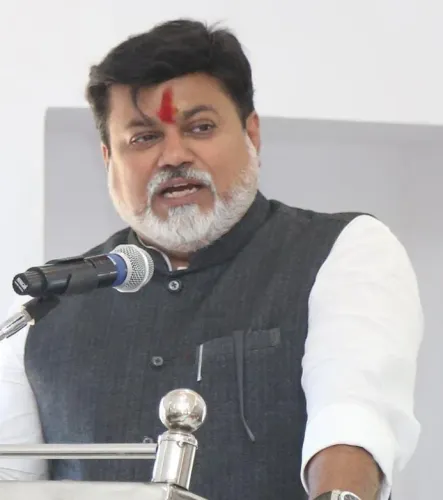
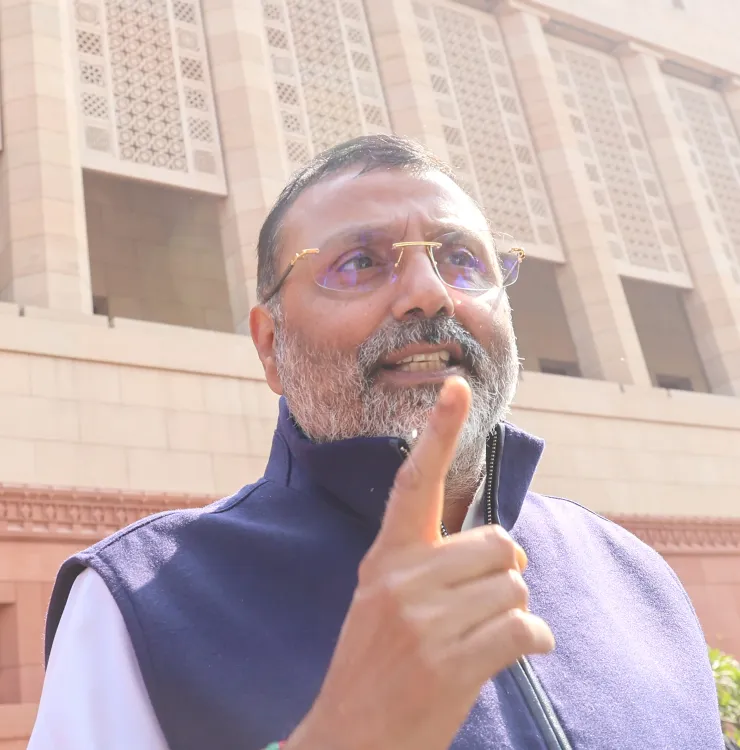
New Delhi, March 11 (NationPress) BJP MP Nishikant Dubey delivered a pointed critique of Shiv Sena (UBT) on Wednesday, condemning their alliance with the Congress within the INDIA Bloc. He referenced a parliamentary document from 1969 that purportedly detailed a plot to assassinate Bal Thackeray, the founder of Shiv Sena, alongside efforts to revoke his revolver license.
Dubey utilized this document to challenge the political affiliations of the faction led by Uddhav Thackeray, asserting that Bal Thackeray had firmly opposed the Congress upon discovering the alleged assassination conspiracy.
In a post shared on X, Dubey stated, "Shiv Sena Uddhav, have some shame. The plot to assassinate Balasaheb Thackeray was orchestrated in 1969; questions were raised in Parliament about revoking his revolver license. After uncovering the conspiracy, Balasaheb Thackeray vowed never to ally with the Congress throughout his life. For power's sake, ideology has been forsaken."
He also tagged Maharashtra Chief Minister Eknath Shinde and Aaditya Thackeray of Shiv Sena (UBT) in his post, underscoring the ongoing divisions within Shiv Sena while contrasting the differing political stances among its factions.
This exchange comes in the context of the approaching March 2026 Rajya Sabha elections. On March 2, Uddhav Thackeray's faction confirmed their collaboration with the Congress as part of a larger opposition electoral strategy.
The discussion has reignited references to the purported 1969 conspiracy against Bal Thackeray, a narrative frequently invoked in political discussions involving both Shiv Sena and BJP over the years.
Historical claims suggest that during the late 1960s, there was a conspiracy aimed at eliminating Bal Thackeray, coinciding with the rise of Shiv Sena as a dominant force in Maharashtra politics. These allegations are often attributed to tensions with Left-leaning or Communist groups of that era.
During the late 1960s, the Shiv Sena gained traction through campaigns centered on "sons of the soil" issues, which highlighted job opportunities for Marathi-speaking residents and agitations related to border disputes like the Maharashtra-Karnataka issue.
Bal Thackeray had consistently expressed strong opposition to partnering with the Congress party. He famously declared that if ever faced with the need to collaborate with Congress, he would prefer to "close his shop," implying the dissolution of Shiv Sena.
He regarded Congress as an ideological adversary, particularly due to his views on Hindutva and regional pride in Maharashtra.
Alongside his critiques of the Congress, Bal Thackeray was also known for his scathing remarks against veteran leader Sharad Pawar. In a 1999 interview, he reportedly vowed never to ally with Pawar, labeling him a "scoundrel" in reference to his involvement in the fall of the Vajpayee government.
The historical positions upheld by Bal Thackeray stand in stark contrast to the current political dynamics in Maharashtra.
The Shiv Sena (UBT), under the leadership of his son Uddhav Thackeray, forged an alliance with the Congress and the Nationalist Congress Party to form the Maha Vikas Aghadi government in the state back in 2019.
Critics, especially from the BJP, have consistently labeled this alliance between Shiv Sena (UBT) and Congress as a "betrayal of Balasaheb Thackeray's legacy," referencing his historical opposition to any political partnership with the Congress party.
Point of View
The recent statements by BJP MP Nishikant Dubey illustrate the complex political landscape in Maharashtra. The division within Shiv Sena and their alliance with Congress raises significant questions about ideological fidelity and historical legacies. As political strategies evolve, the implications for upcoming elections remain critical.
NationPress
1 Oct 2026
Frequently Asked Questions
What did Nishikant Dubey say about Shiv Sena's alliance?
Nishikant Dubey criticized Shiv Sena (UBT) for their alliance with Congress, referencing a 1969 assassination conspiracy against Bal Thackeray.
Why is the 1969 document significant?
The document allegedly details a conspiracy to assassinate Bal Thackeray and questions the political stance of the current Shiv Sena faction.
What was Bal Thackeray's position on the Congress party?
Bal Thackeray was vocally opposed to aligning with the Congress, viewing them as an ideological rival.
What does this political debate mean for Maharashtra's future?
The ongoing discussions highlight divisions within Shiv Sena and could influence the upcoming Rajya Sabha elections.
How has BJP responded to the Shiv Sena-Congress alliance?
The BJP has labeled the alliance a betrayal of Balasaheb Thackeray's legacy, emphasizing his historical opposition to Congress.