BJP monsoon drill: Shimla hawan, Punjab flood checks ahead of 2025 repeat

Synopsis
With last year's monsoon leaving 320 dead in Himachal Pradesh and 20 lakh people displaced in Punjab, the BJP is not waiting — it has combined ritual prayer in Shimla with a structured ground-level flood audit across Punjab's most vulnerable districts, while simultaneously firing political salvos at both state Congress governments.
Key Takeaways
BJP's Himachal Pradesh unit held a 'Maharudra Hawan' in Shimla on 2 July , seeking divine protection from monsoon calamities.
Rajya Sabha MP Sikander Kumar blamed the Congress government of Chief Minister Sukhvinder Singh Sukhu for administrative failures during past disasters.
BJP's Punjab unit President Kewal Singh Dhillon deployed senior leaders to 10 flood-prone districts to assess preparedness and gather ground reports.
The 2025 Punjab floods affected nearly 20 lakh people , destroyed crops on 5 lakh acres , and displaced 7 lakh — described as worse than the 1988 floods.
Himachal Pradesh recorded 320 deaths and damage exceeding ₹3 lakh crore in last year's monsoon, according to state government figures.
Punjab had demanded a special central package of ₹20,000 crore for flood relief and infrastructure restoration.
The Bharatiya Janata Party (BJP) launched a twin-track monsoon preparedness drive on Thursday, 2 July, with its Himachal Pradesh unit conducting a 'Maharudra Hawan' in Shimla and its Punjab cadre deploying senior leaders to assess flood readiness in river-plain districts — ahead of what could be another punishing monsoon season.
The Shimla Hawan: Prayers and Political Messaging
Rajya Sabha MP Sikander Kumar, who participated in the ritual at Shimla, said the hawan was performed to seek the blessings of Lord Shiva for the protection of Himachal Pradesh and the country from natural calamities. He pointed to the recurring devastation in districts such as Mandi, Kullu, and Chamba over recent monsoon seasons as the backdrop for the prayer event.
Kumar also used the occasion to draw a political contrast, saying BJP workers had stood by affected families during past disasters while the Congress government, in his words, 'failed to provide the leadership and support expected from a responsible administration.' He pushed back against the Himachal Pradesh government's repeated allegations that the Centre had been biased in disbursing disaster assistance, arguing that all four BJP Members of Parliament from the state, along with both Rajya Sabha MPs, had consistently raised the state's concerns in Parliament. Blaming the Union government for administrative and financial shortcomings, he said, was 'merely an attempt to divert attention from the failures of the Congress government led by Chief Minister Sukhvinder Singh Sukhu.'
Punjab's Ground-Level Flood Assessment
In neighbouring Punjab — heavily exposed to swollen rivers that originate in Himachal Pradesh — BJP's state unit President Kewal Singh Dhillon has deployed senior party leaders across flood-prone districts to conduct on-the-ground reviews of last year's damage and current preparedness.
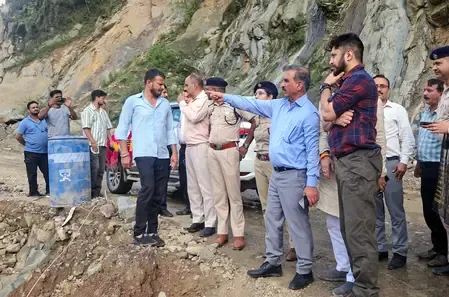
The visiting leaders will be accompanied by district presidents and will travel to the areas most severely hit in the 2025 floods. They are expected to interact with affected families and local residents to gather first-hand accounts of flood-related challenges, relief delivery, and rehabilitation progress. Detailed reports will subsequently be submitted to the party leadership.
The leaders assigned include: legislator Ashwani Sharma for Gurdaspur; former legislator Fatehjang Singh Bajwa for Amritsar; former MP Shwait Malik for Pathankot; former legislator Surjit Jyani for Ferozepur; former state chief Sunil Jakhar for Fazilka; Sushil Rinku for Abohar; former MPs Avinash Rai Khanna for Jalandhar and Vijay Sampla for Ropar; Iqbal Singh Lalpura for Mohali; and legislator Jangi Lal Mahajan for Hoshiarpur.
Scale of Last Year's Devastation
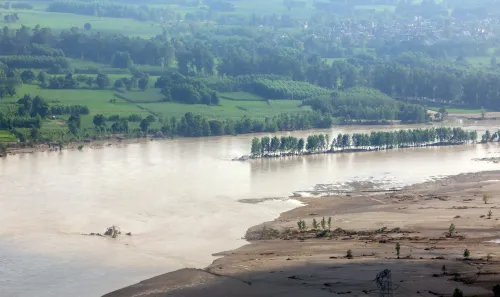
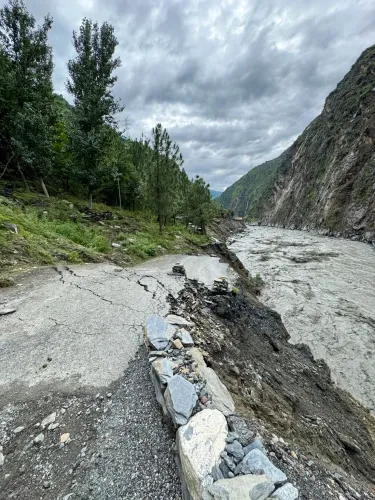
The urgency of the exercise is rooted in the scale of destruction the 2025 monsoon inflicted on both states. In Punjab, Water Resources Minister Barinder Kumar Goyal had tabled a resolution in a special session of the Vidhan Sabha, demanding a special package of ₹20,000 crore for flood-affected families, farmers, and infrastructure restoration. He described the 2025 floods as surpassing even the devastation of 1988, with more than 2,300 villages ravaged, nearly 20 lakh people directly affected, crops on more than 5 lakh acres destroyed, and 7 lakh people displaced.
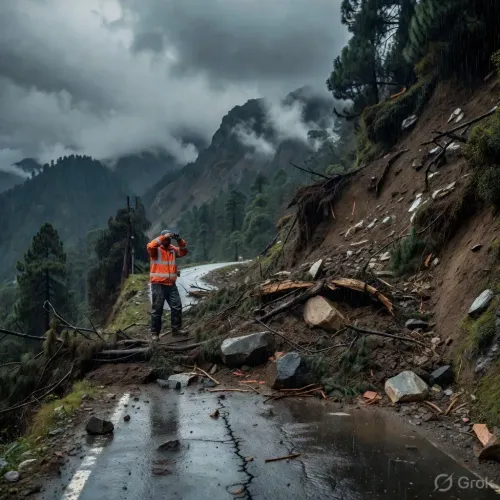
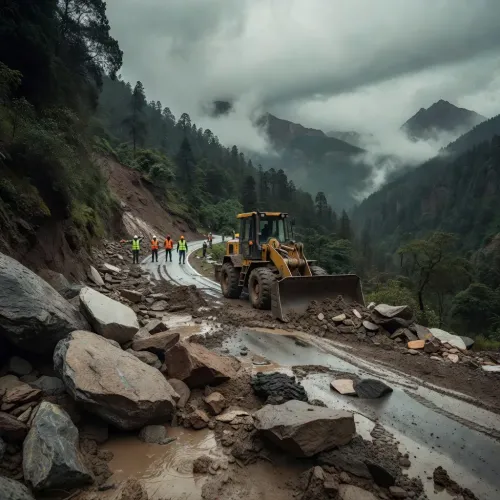
In Himachal Pradesh, Chief Minister Sukhu had declared the state disaster-hit following extensive damage from cloudbursts, flash floods, and landslides. The monsoon claimed 320 lives and caused total damage estimated at more than ₹3 lakh crore, according to state government figures.
What Comes Next
The BJP's dual approach — ritual prayer in Himachal Pradesh and administrative fact-finding in Punjab — signals the party's intent to position itself as a proactive opposition force on disaster management ahead of the full monsoon season. The reports compiled by visiting Punjab leaders are expected to be submitted to the party leadership shortly, and could feed into demands for early Centre intervention if river levels rise. All eyes now turn to how both state governments respond once the rains intensify.
Point of View
Ahead of what could be another brutal monsoon. Yet the scale of last year's damage — ₹3 lakh crore in Himachal Pradesh and 20 lakh displaced in Punjab — exposes a deeper structural failure: neither state has meaningfully improved early-warning infrastructure or inter-state river coordination since 2025. Fact-finding tours by opposition leaders generate reports; they do not build embankments or fix drainage. The real accountability question is whether these ground assessments translate into concrete demands for Centre-funded flood infrastructure, or remain campaign material for the next election cycle.
NationPress
1 Oct 2026
Frequently Asked Questions
What is the BJP's 'Maharudra Hawan' in Shimla about?
The Maharudra Hawan was a religious ritual organised by the BJP in Shimla on 2 July to seek Lord Shiva's blessings for protection of Himachal Pradesh and the country from natural disasters. Rajya Sabha MP Sikander Kumar, who participated, cited the recurring devastation in Mandi, Kullu, and Chamba districts as the reason for the prayer event.
Why is the BJP conducting flood assessments in Punjab?
BJP's Punjab unit has deployed senior leaders to 10 districts to assess flood preparedness and review last year's damage, ahead of the 2025 monsoon season. The move follows the 2025 floods, which affected nearly 20 lakh people, displaced 7 lakh, and destroyed crops on more than 5 lakh acres — damage described as worse than the 1988 floods.
How bad were the 2025 monsoon floods in Himachal Pradesh and Punjab?
In Himachal Pradesh, the 2025 monsoon claimed 320 lives and caused damage estimated at over ₹3 lakh crore, prompting Chief Minister Sukhu to declare the state disaster-hit. In Punjab, more than 2,300 villages were ravaged, nearly 20 lakh people were directly affected, and 7 lakh were displaced, according to state government figures.
Which BJP leaders have been assigned to Punjab flood-assessment tours?
BJP Punjab unit President Kewal Singh Dhillon appointed leaders including Ashwani Sharma (Gurdaspur), Fatehjang Singh Bajwa (Amritsar), Shwait Malik (Pathankot), Surjit Jyani (Ferozepur), Sunil Jakhar (Fazilka), Sushil Rinku (Abohar), Avinash Rai Khanna (Jalandhar), Vijay Sampla (Ropar), Iqbal Singh Lalpura (Mohali), and Jangi Lal Mahajan (Hoshiarpur).
What has Punjab demanded from the Centre for flood relief?
Punjab Water Resources Minister Barinder Kumar Goyal tabled a resolution in a special Vidhan Sabha session demanding a special package of ₹20,000 crore for flood-affected families, farmers, and infrastructure restoration following the 2025 monsoon devastation.