HP CM Office Urges Residents to Stay Home Amid Monsoon Risk

Synopsis
The Chief Minister's Office of Himachal Pradesh on 10 July 2026 issued an urgent monsoon safety advisory urging all state residents to avoid unnecessary outings and stay clear of rivers, streams, and landslide-prone zones, calling public safety the government's highest priority.
Key Takeaways
The Chief Minister's Office of Himachal Pradesh issued a public safety advisory on 10 July 2026 urging residents to leave home only when absolutely necessary.
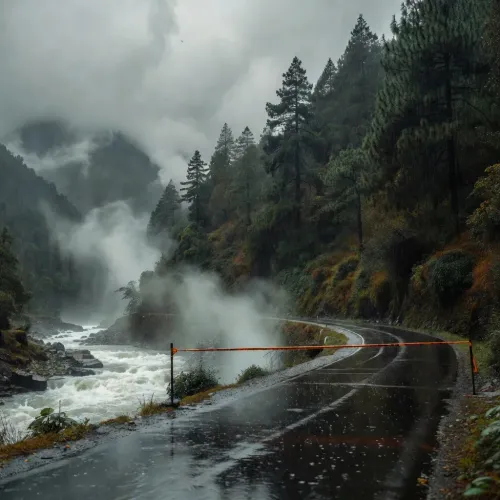
Residents were specifically asked to stay away from rivers, streams, drains (khaddas), and landslide-prone areas .
The advisory stated that 'your safety is our highest priority,' signalling an elevated level of official concern.
Himachal Pradesh is among India's most vulnerable Himalayan states during the June–September monsoon season.
Such advisories fall under India's disaster-risk-reduction framework and can precede school closures, road blockades, or NDRF deployment.
Tourists visiting the state during the summer-monsoon overlap period are also implicitly covered by the stay-safe appeal.
The Chief Minister's Office of Himachal Pradesh issued an urgent public safety advisory on Friday, 10 July 2026, appealing to all residents of the state to step out of their homes only when absolutely necessary and to stay away from rivers, streams, drains, and landslide-prone zones.
What the Advisory Says
The official post, shared from the CMO Himachal Pradesh handle, states in Hindi: 'सभी प्रदेशवासियों से अपील है कि बहुत जरूरी होने पर ही घर से बाहर निकलें' — 'We appeal to all residents of the state to leave their homes only when it is absolutely essential.' The advisory further urges people to keep away from rivers, rivulets, streams, and areas susceptible to landslides, and to avoid taking any kind of risk. The post closes with a clear statement of intent: 'Your safety is our highest priority.'
No specific incident or location within the state was named in the post, but the language mirrors the kind of blanket advisory that state authorities issue when heavy-rainfall warnings are in force across multiple districts.
Context: Himachal's Monsoon Vulnerability
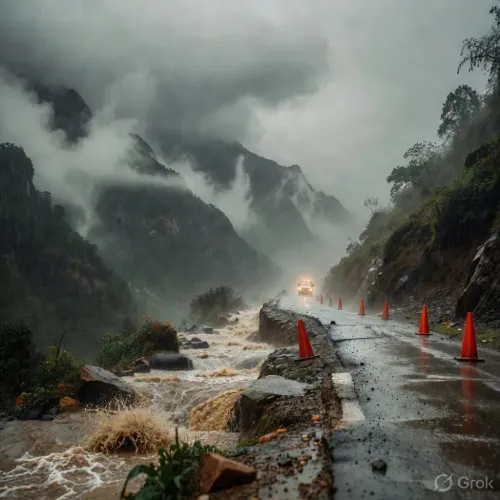
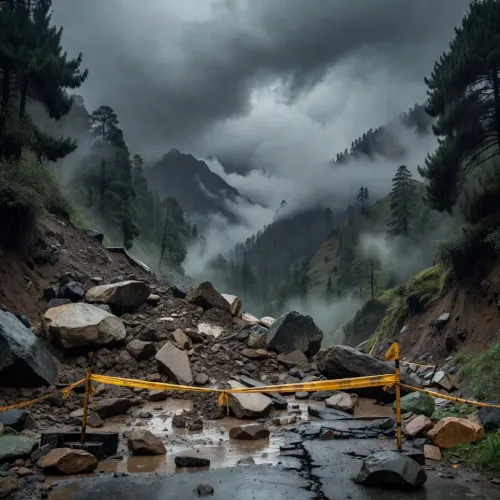
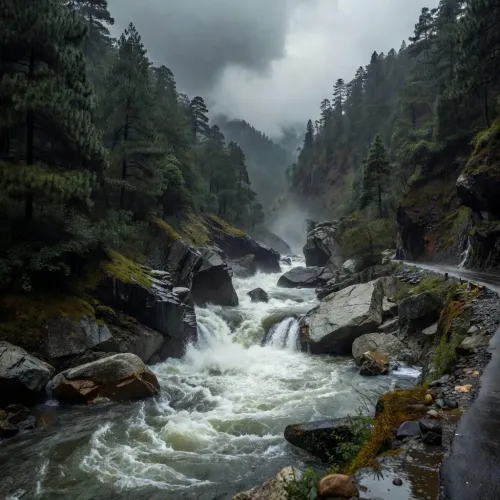
Himachal Pradesh is among India's most disaster-prone Himalayan states during the June–September monsoon season. The state's rugged terrain — marked by steep river valleys, loose hill slopes, and fast-moving streams — makes it acutely vulnerable to cloudbursts, flash floods, and landslides. The State Disaster Management Authority (SDMA) coordinates public safety messaging and evacuation guidance during such periods.
In 2023, Himachal Pradesh endured one of its most destructive monsoon seasons on record, with repeated stay-at-home and river-avoidance alerts issued as roads were washed out, bridges collapsed, and hundreds of villages were cut off. The scale of that year's damage significantly elevated public awareness of monsoon risks across the state.
Policy Backdrop
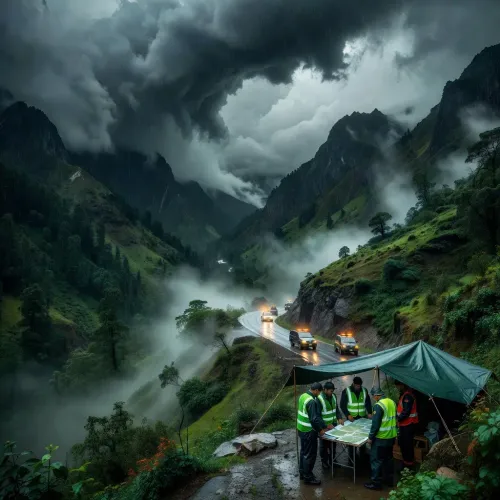
Public safety advisories of this nature are standard practice under India's disaster-risk-reduction framework, rooted in the National Disaster Management Act. Northern Himalayan states routinely issue such messages when the India Meteorological Department (IMD) flags heavy to very heavy rainfall warnings. The advisories are part of a coordinated protocol that can also trigger school closures, road blockades, and deployment of National Disaster Response Force (NDRF) teams.
The CMO's direct communication through social media has become a key tool for rapid public outreach, allowing safety messages to reach citizens in real time — particularly in areas where conventional broadcast infrastructure may be disrupted by the very weather events being warned against.
Stakeholders and Impact
The advisory is directed at all residents of Himachal Pradesh, with particular relevance for communities living along the banks of rivers such as the Beas, Sutlej, Ravi, and Chenab, and in districts historically prone to landslides. Tourists — who visit the state in large numbers during the summer and early monsoon months — are also implicitly covered by the appeal to avoid unnecessary outdoor movement.
Local administrations in vulnerable districts are expected to amplify the message through block-level and panchayat-level channels, ensuring it reaches residents in remote areas with limited internet access.
What to Watch
Authorities and citizens alike will be closely tracking IMD extended-range forecasts for the remaining weeks of the monsoon season. Any escalation in rainfall intensity could prompt the state government to issue more specific orders — including school and college closures, suspension of highway traffic, or formal deployment of NDRF and State Disaster Response Force (SDRF) units to high-risk zones. The government's responsiveness in the hours and days following this advisory will be a key indicator of its disaster-preparedness posture this season.
Point of View
Such early-stage advisories carry added political and administrative weight, signalling that the government is alert and engaged. The advisory's broad, state-wide framing also suggests that rainfall stress may be widespread rather than localised, which will be the key variable to watch as the season progresses.
NationPress
8 Oct 2026
Frequently Asked Questions
Why has the Himachal Pradesh government asked people to stay home?
The Chief Minister's Office of Himachal Pradesh issued an advisory on 10 July 2026 urging residents to step out only when absolutely necessary due to monsoon-related risks including flash floods, swollen rivers, and landslides.
Which areas in Himachal Pradesh are most dangerous during monsoon?
River banks along the Beas, Sutlej, Ravi, and Chenab, as well as steep hill slopes and stream-side settlements across the state, are historically the most vulnerable to floods and landslides during the monsoon season.
What should Himachal Pradesh residents do during a landslide or flood warning?
Residents should stay indoors unless travel is essential, keep away from rivers, streams, and drains, avoid landslide-prone hillsides, and follow updates from the State Disaster Management Authority and local administration.
Is the Himachal Pradesh monsoon advisory in force for tourists too?
While the advisory is addressed to all residents of the state, it implicitly applies to tourists as well, who are advised to avoid risky outdoor activities and movement near water bodies or unstable slopes.
What action can the Himachal Pradesh government take after issuing a monsoon advisory?
Following such advisories, the state government may order school and college closures, suspend highway traffic in vulnerable zones, and deploy NDRF or SDRF teams to high-risk areas depending on how rainfall conditions evolve.