HP CM Office flags heavy rain, landslides across Himachal
Synopsis
The Chief Minister's Office of Himachal Pradesh sounded the alarm on 10 July 2026 as over 24 hours of heavy rain triggered landslides and flood-like conditions across several districts, prompting precautionary school closures and heightened disaster-response readiness.
Key Takeaways
The CMO Himachal Pradesh flagged heavy, continuous rainfall across multiple districts lasting more than 24 hours as of 10 July 2026 .
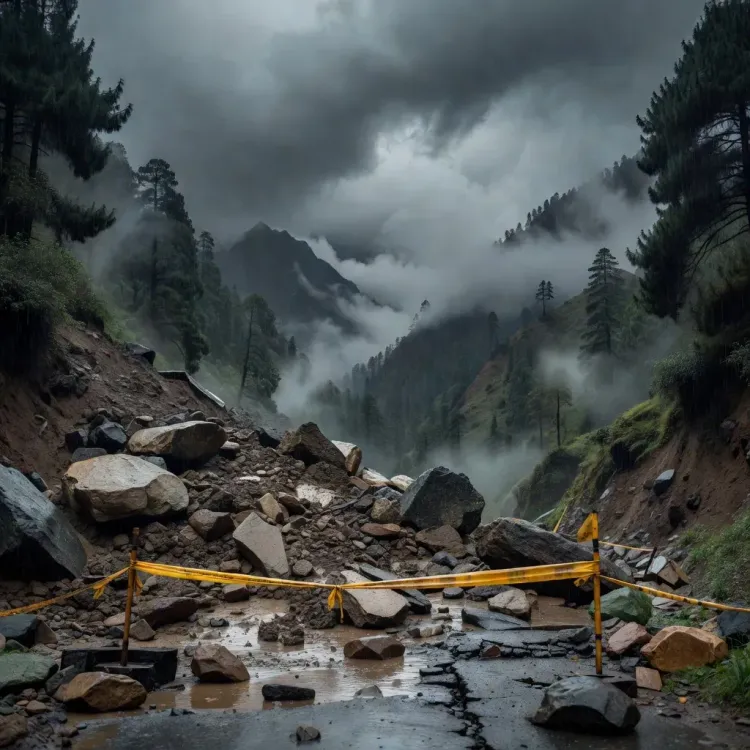
Landslides have occurred at several locations across the state.
Flood-like conditions have developed in some areas.
Schools in certain districts have been shut as a precautionary measure.
Himachal Pradesh's 2023 monsoon season was among its deadliest, with over 400 deaths , making early alerts a policy priority.
State authorities may seek central funds under the National Disaster Response Fund if damage is extensive.
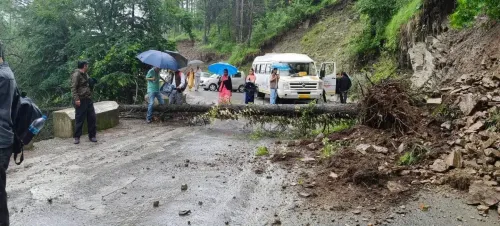
The Chief Minister's Office of Himachal Pradesh on Friday, 10 July 2026, raised alarm over relentless heavy rainfall battering multiple districts of the state for more than 24 hours, warning of landslides, flood-like conditions, and the closure of schools as a precautionary measure.
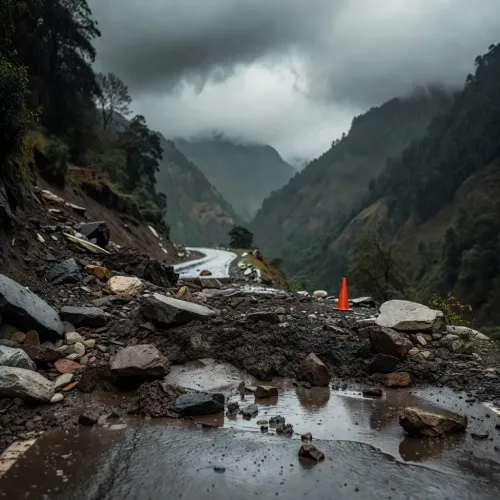
Posting on X, the official CMO handle stated: 'Pichhle 24 ghante se adhik samay se pradesh ke alag-alag jilon mein lagatar ho rahi bhari barish ne chinta badha di hai.' ('Heavy rain falling continuously across different districts of the state for more than 24 hours has raised concern.') The post further noted landslides at several locations, flood-like situations in some areas, and precautionary school closures in certain districts.
Context
Himachal Pradesh sits in the fragile western Himalayas, where steep terrain and loose geology make it acutely vulnerable to monsoon-triggered disasters. Every year between June and September, cloudbursts and sustained downpours set off landslides that sever roads, damage bridges, and displace communities across hill districts. The state's vulnerability was brought into sharp focus during the 2023 monsoon season, one of the most destructive on record, when widespread floods and landslides claimed more than 400 lives and prompted a comprehensive review of early-warning systems and evacuation protocols.Policy Backdrop
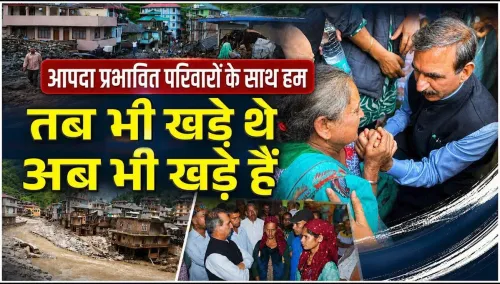
Chief Minister Sukhvinder Singh Sukhu, who has helmed the state since 2022, has prioritised disaster preparedness following the 2023 catastrophe. State authorities routinely coordinate with the India Meteorological Department (IMD) — the national agency responsible for monsoon forecasts and heavy-rain warnings — to trigger timely advisories. School closures are among the first and most visible low-cost precautionary steps that district administrations invoke when IMD issues red or orange alerts, protecting children from hazardous travel on rain-damaged mountain roads. Slope-stabilisation funding and improved drainage infrastructure remain longer-term demands that Himachal has placed before the central government.Stakeholders and Impact
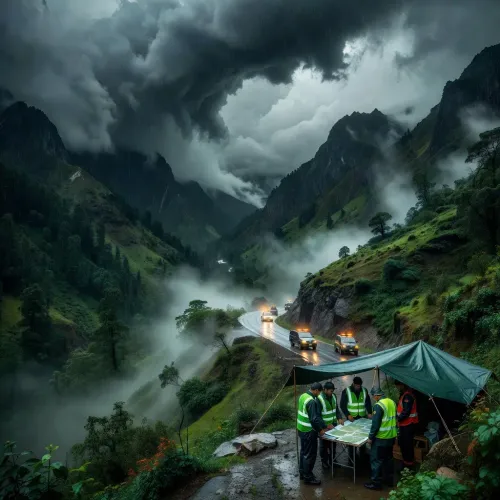
Residents of hill districts bear the immediate brunt: blocked highways cut off supplies and emergency services, while agricultural land and livestock are at risk from flash floods. School children and their families are directly affected by closures, which, while disruptive, reflect hard lessons learned from past tragedies. Local administration — including district collectors, police, and the State Disaster Management Authority (SDMA) — is on heightened alert to coordinate rescue and relief operations. Tourism, a major pillar of the Himachal economy, also suffers as popular routes and destinations become inaccessible during severe weather spells.What's Next
All eyes will be on daily IMD bulletins and SDMA directives in the coming days to assess whether the rainfall intensifies or abates. If damage assessments indicate large-scale destruction, the state government may formally request central assistance under the National Disaster Response Fund (NDRF). Broader Himalayan states have been pressing for upgraded slope-stabilisation infrastructure and real-time landslide early-warning networks — investments that each severe monsoon season makes more urgent. The frequency and intensity of such extreme rainfall events across the Himalayas have been rising over the past decade, underlining that what was once exceptional is increasingly becoming the annual norm.Point of View
While administratively straightforward, carry symbolic weight: they show a state choosing caution over normalcy. The broader pattern of escalating extreme-weather events in the Himalayas is quietly forcing hill states to institutionalise crisis communication in ways that were ad hoc a decade ago. Whether this public alertness translates into sustained investment in slope-stabilisation and early-warning infrastructure remains the harder, longer test.
NationPress
8 Oct 2026
Frequently Asked Questions
Why is it raining so heavily in Himachal Pradesh in July 2026?
July falls in the peak southwest monsoon season for northern India, and Himachal Pradesh's mountainous terrain makes it especially prone to intense, localised rainfall, cloudbursts, and subsequent landslides during this period.
Which districts in Himachal Pradesh are affected by the heavy rain?
The CMO's post referred to 'different districts' of the state without naming specific ones. Exact district-level details are subject to official SDMA and IMD advisories.
Are schools closed in Himachal Pradesh due to the rain?
Yes, the CMO's Office confirmed that schools in some districts have been closed as a precautionary step in response to the heavy rainfall and associated hazards.
What is the role of the State Disaster Management Authority in Himachal Pradesh floods?
The State Disaster Management Authority coordinates rescue, relief, and evacuation operations during natural disasters, working alongside district administrations and central agencies like the NDRF.
Has Himachal Pradesh faced such severe monsoon flooding before?
Yes. The 2023 monsoon season was one of the worst on record for the state, with over 400 deaths from floods and landslides, which led to a review of early-warning and relief protocols.