CM Sukhu Urges HP Residents to Follow Monsoon Safety Guidelines

Synopsis
Chief Minister Sukhvinder Singh Sukhu has urged Himachal Pradesh residents to take care of themselves and their families and to strictly follow safety guidelines issued by the India Meteorological Department and local administration during the ongoing monsoon season.
Key Takeaways
CM Sukhvinder Singh Sukhu issued a public monsoon safety advisory on 10 July 2026 via the Chief Minister's Office of Himachal Pradesh.
Residents are urged to strictly follow guidelines from the India Meteorological Department (IMD) and local administration.
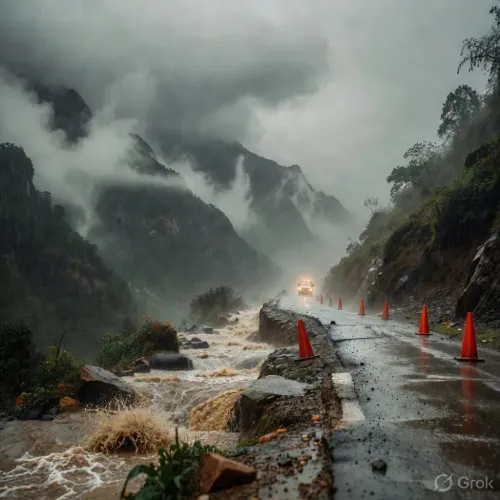
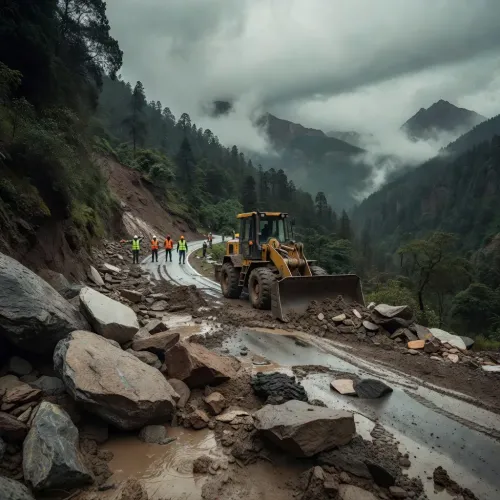
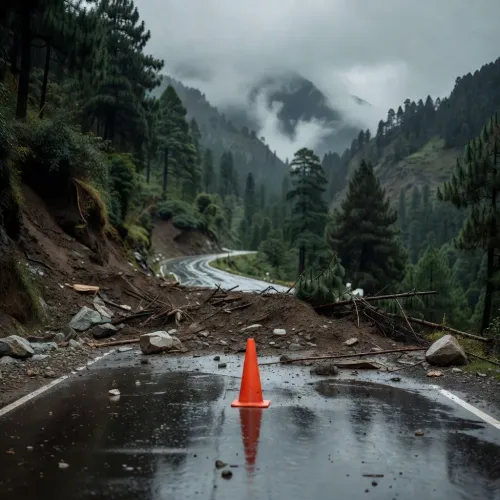
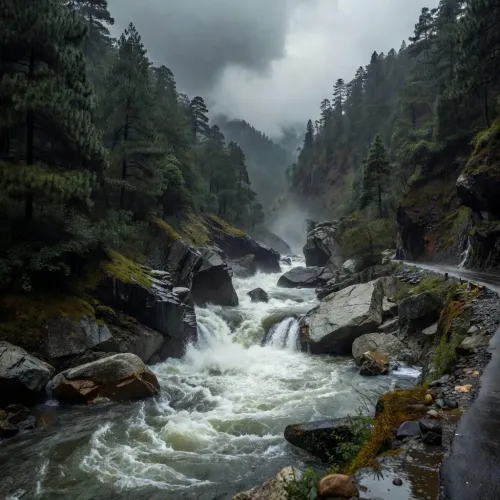
Himachal Pradesh is a high-risk state during the June–September monsoon season, prone to landslides, flash floods, and cloudbursts.
The advisory aligns with the state's disaster management framework under NDMA guidelines.
Further IMD alerts and possible district-level evacuation or relief orders are expected as the monsoon progresses.
The Chief Minister's Office of Himachal Pradesh on Friday, 10 July 2026 shared a public advisory from Chief Minister Thakur Sukhvinder Singh Sukhu, urging residents of the hill state to take care of themselves and their families and to strictly follow safety guidelines issued by the meteorological department and local administration.
In the advisory, CM Sukhu said: 'Apna aur apne parivaar ka poora dhyan rakhen tatha mausam vibhag aur prashaasan dwara samay-samay par jaari disha-nirdeshon ka poori gambheerta se paalon karein' — 'Take complete care of yourself and your family, and follow with full seriousness the guidelines issued from time to time by the meteorological department and the administration.'
Context
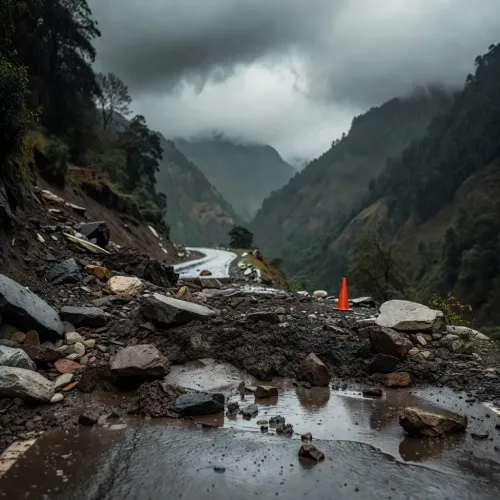
Himachal Pradesh, a Himalayan state in northern India, is among the most disaster-vulnerable regions in the country during the June–September monsoon season. The state regularly faces landslides, flash floods, cloudbursts, and road blockages that endanger hill communities, particularly in remote valleys and along river corridors. Such advisories from the Chief Minister's Office are a standard part of the state's disaster communication framework.
The advisory urges residents to remain alert and act on official guidance, reflecting the administration's effort to pre-empt casualties through timely public communication.
Policy Backdrop
The India Meteorological Department (IMD), the central agency responsible for weather forecasting and public safety warnings, issues colour-coded rainfall alerts — yellow, orange, and red — for districts across Himachal Pradesh throughout the monsoon season. State authorities are mandated to coordinate with the IMD and disseminate these warnings to the public under the framework set by the National Disaster Management Authority (NDMA).
In 2023, Himachal Pradesh witnessed one of its most severe monsoon seasons in recent memory, with widespread flooding and landslides causing significant loss of life and extensive damage to roads, bridges, and public infrastructure. That experience reinforced the importance of proactive public advisories and early warnings as a frontline disaster mitigation tool.
Stakeholders and Impact
The advisory is directed at all residents of Himachal Pradesh, with hill communities in high-altitude and riverine areas being the most at risk. Tourists — a significant presence in the state during summer months — are also implicitly covered, as the state's tourism-dependent economy draws large numbers of visitors to areas prone to sudden weather events.
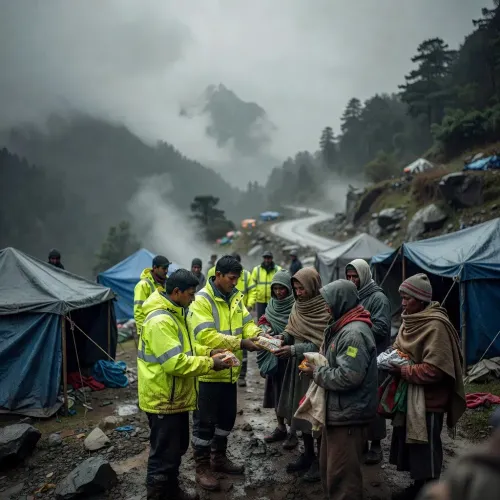
Local administration, including district magistrates and tehsil-level officers, are expected to amplify and operationalise the Chief Minister's directives, coordinating evacuations and relief measures where required. Compliance with IMD and administration guidelines can be the difference between life and loss in rapidly escalating weather situations.
What's Next
Residents and local authorities will be watching for follow-up IMD rainfall alerts and any specific district-level orders on evacuations, road closures, or relief mobilisation as the monsoon season progresses. The Himachal Pradesh government is expected to continue issuing periodic safety communications through official channels for the duration of the monsoon period. Any escalation in rainfall intensity could prompt more targeted emergency advisories or deployment of State Disaster Response Force (SDRF) teams across vulnerable zones.
Point of View
Aligned with NDMA protocols, to use social media as a frontline channel for reaching citizens before emergencies escalate. For a state still rebuilding from the devastation of the 2023 monsoon, even a brief public message from the Chief Minister carries real weight in shaping community preparedness.
NationPress
8 Oct 2026
Frequently Asked Questions
What did CM Sukhu say in his monsoon advisory for Himachal Pradesh?
CM Sukhvinder Singh Sukhu urged all residents of Himachal Pradesh to take complete care of themselves and their families and to follow with full seriousness all safety guidelines issued from time to time by the India Meteorological Department and the local administration.
Why is Himachal Pradesh particularly vulnerable during the monsoon season?
Himachal Pradesh is a Himalayan state prone to landslides, flash floods, cloudbursts, and road blockages during the June–September monsoon season, making timely weather advisories critical for public safety.
What role does the IMD play in Himachal Pradesh's disaster management?
The India Meteorological Department issues colour-coded rainfall warnings and forecasts for Himachal Pradesh districts, which state authorities use to coordinate public safety measures and evacuations under the NDMA framework.
Has Himachal Pradesh faced severe monsoon damage in recent years?
Yes. In 2023, Himachal Pradesh experienced one of its worst monsoon seasons, with widespread flooding and landslides causing significant loss of life and major damage to roads, bridges, and public infrastructure.
What should Himachal Pradesh residents do during the monsoon season?
Residents should follow all guidelines issued by the IMD and local administration, stay alert to official warnings, avoid travel in high-risk zones during heavy rainfall, and cooperate with district authorities if evacuation orders are issued.