Is BMC Ready to Tackle Mumbai's Water Crisis with New Dams?
Synopsis
In a bold move to address Mumbai's escalating water demands, Deputy CM Eknath Shinde has announced the BMC's focus on completing three key dam projects. These projects aim to bridge the water supply gap fueled by rapid urban growth. Will these initiatives be enough to secure Mumbai's water future?
Key Takeaways
BMC is prioritizing three dam projects to meet water demands.
Mumbai's current water supply is inadequate for its population.
Innovative projects like desalination are being implemented.
Rapid urban development is driving increased water demand.
Environmental assessments are in progress for new projects.
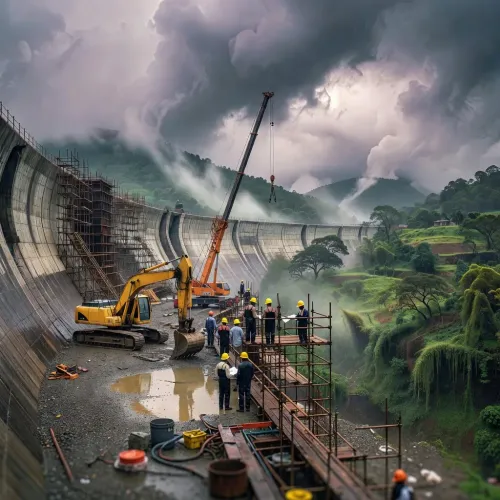
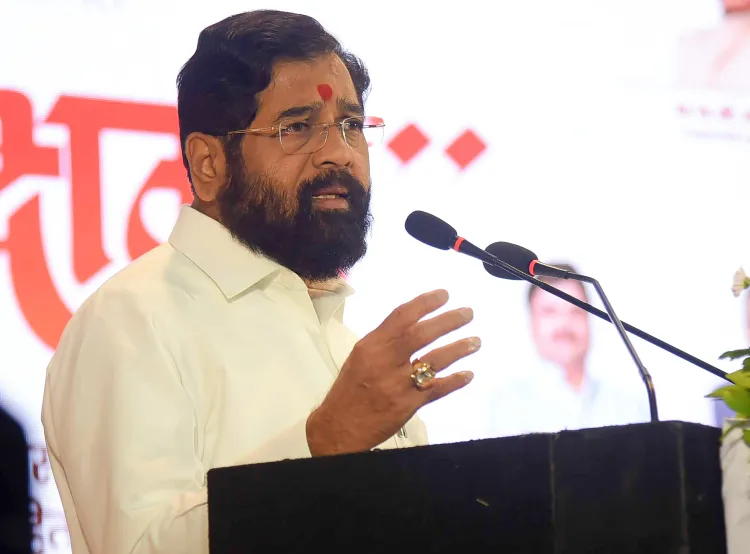
Nagpur, Dec 10 (NationPress) Maharashtra's Deputy Chief Minister and Urban Development Minister Eknath Shinde announced in the Assembly that the BrihanMumbai Municipal Corporation (BMC) is prioritizing the construction of three essential dams—Gargai, Pinjal, and the Daman Ganga-Pinjal River Linking project. This initiative is crucial to address the escalating water requirements and establish additional water reserves.
Currently, Mumbai receives 3,800 MLD (Million Litres per Day) of water, whereas the daily demand is projected to range between 4,500 MLD and 4,800 MLD.
In response to an inquiry from Shiv Sena (UBT) member Sunil Prabhu and others, Shinde highlighted that the city's rapid residential and infrastructure growth is driving an increase in water demand. The Gargai project, aimed at constructing a dam to support the water needs of the Mumbai Metropolitan Region, is nearing the final stages of its engineering and tender document preparations.
For the Pinjal project, preliminary engineering efforts are currently in progress for the proposed dam. Following initial approval for the Environmental Impact Assessment (EIA), detailed project report (DPR) preparation is underway.
Concerning the Daman Ganga-Pinjal River Linking Project (an inter-state initiative), the BMC is actively working to secure necessary agreements and approvals from the Central government.
Additionally, the BMC is exploring innovative methods to enhance water supply.
A desalination project with an initial capacity of 200 MLD (which can be expanded to 400 MLD) is in development at Kulaba (Colaba) to convert seawater into drinking water. Moreover, a 'Tertiary Level Water Purification Project' with a capacity of 12 MLD is underway to further treat and purify existing water resources.
Deputy CM Shinde reiterated that to secure and improve the water supply for Mumbai's growing population, the BMC is diligently pursuing several large-scale projects. These initiatives aim to close the gap between current supply and future demand, which is being intensified by swift development and population growth.
Point of View
The initiatives taken by the BMC under the leadership of Deputy CM Eknath Shinde reflect a proactive approach to urban challenges. Addressing water scarcity in a rapidly growing city like Mumbai is not just necessary but imperative for sustainable development. The implementation of these projects will require diligent monitoring and execution to meet the rising demands effectively.
NationPress
19 Sept 2026
Frequently Asked Questions
What is the current water supply in Mumbai?
Mumbai currently receives 3,800 MLD of water, but the demand is estimated to be between 4,500 MLD and 4,800 MLD .
What projects is BMC focusing on to address water scarcity?
The BMC is focusing on the completion of Gargai , Pinjal , and Daman Ganga-Pinjal River Linking projects.
What innovative methods is BMC implementing?
BMC is implementing a desalination project and a 'Tertiary Level Water Purification Project' to enhance water supply.
Why is there a growing demand for water in Mumbai?
The demand for water is increasing due to large-scale residential and infrastructure development in Mumbai.
What is the status of the Pinjal project?
Preliminary engineering work for the Pinjal project is currently underway, with detailed project report preparation in progress.