Bokaro Steel Plant gates reopen as admin clears protesters; prohibitory orders in force
Synopsis
Over 5,000 workers were trapped inside the Bokaro Steel Plant for nearly 22 hours after displaced apprentices blockaded every gate — a stark escalation of a five-decade-old land-acquisition grievance. Even after police cleared the agitators and imposed a 200-metre no-protest zone, the Finance Minister publicly backed the protesters' demands and talks with management collapsed. The plant is running again, but the dispute is far from over.
Key Takeaways
Bokaro Steel Limited (BSL) in Jharkhand resumed operations on 18 October 2026 after authorities cleared protesting displaced apprentices from all plant gates.
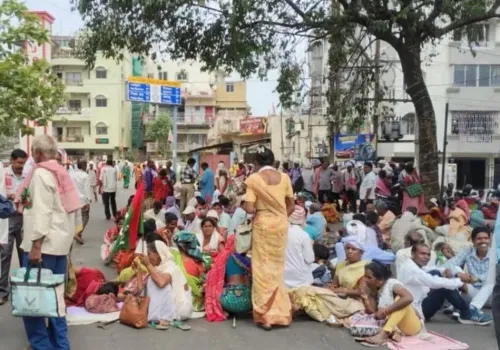
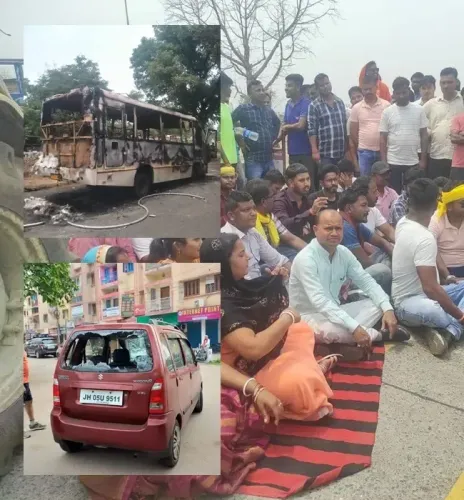
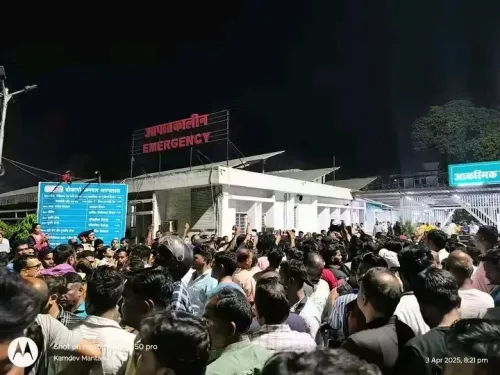
On Saturday, protesters blocked every gate, leaving more than 5,000 employees trapped inside for approximately 22 hours .
The administration imposed prohibitory orders within a 200-metre radius of the main gate, banning gatherings of five or more people , rallies, and demonstrations.
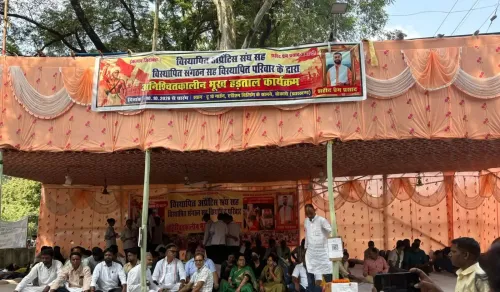
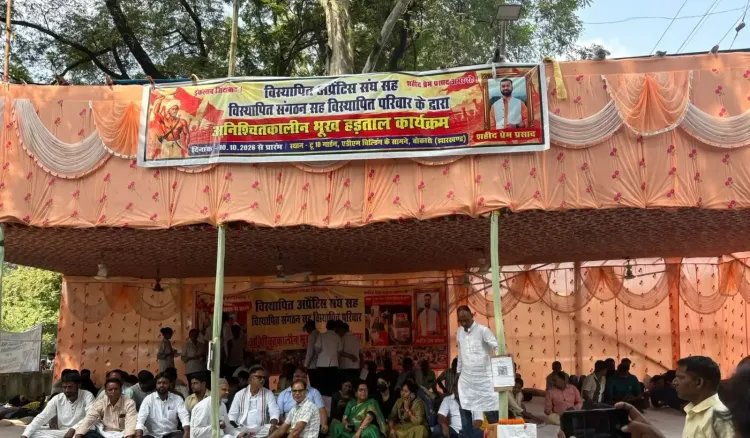
The 'Displaced Apprentices' hunger strike entered its ninth consecutive day on Sunday, with demands for regularisation, Class IV recruitment, and a formal employment policy.
Jharkhand Finance Minister Radhakrishna Kishore backed the protesters' demands; a two-hour meeting with BSL management on Saturday ended in deadlock.
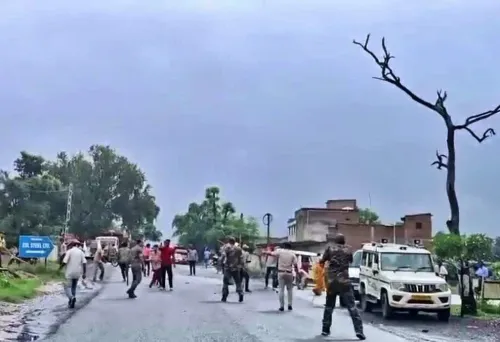
Bokaro Steel Limited (BSL) in Jharkhand resumed operations on Sunday, 18 October 2026, after the district administration and police intervened to clear protesters who had been blockading the plant's gates for several days. The move ends an acute industrial standoff that had left over 5,000 employees trapped inside the facility for nearly 22 hours on Saturday.
How the Blockade Was Broken
By Sunday morning, all gates of the Bokaro Steel Plant had been reopened after authorities took firm action and compelled the agitators — reportedly trained apprentices associated with displaced families — to vacate the premises. The clearance followed a Saturday siege in which protesters had shut every entry and exit point of the plant, effectively holding thousands of workers inside overnight.
Prohibitory Orders and New Restrictions
To prevent a recurrence and safeguard industrial continuity, the administration imposed prohibitory orders within a 200-metre radius of the plant's main gate. Under these orders, any assembly of five or more people, rallies, public meetings, and demonstrations are banned in that zone. Carrying weapons or excavation tools within the restricted perimeter is also prohibited. The administration has additionally barred any activity likely to disrupt industrial operations or the free movement of goods and personnel.
The Sub-Divisional Officer (SDO) clarified that the administration respects the democratic right to peaceful protest, and offered that demonstrators may continue their agitation near the 'Two-Tank Garden', away from the plant gates. He appealed to all organisations and public representatives to cooperate in maintaining industrial peace and keeping the gates open.
The Core Demand: Jobs for Displaced Families
The agitation is rooted in a decades-old grievance. The protesters belong to families whose land was acquired — roughly five decades ago — for the original construction of the Bokaro Steel Plant. Their association, the 'Displaced Apprentices', has been demanding regularisation of employment, and their hunger strike entered its ninth consecutive day on Sunday.
Specifically, the demonstrators are seeking employment for displaced youth who have completed apprenticeship training, recruitment to Class IV (entry-level support staff) positions, and a clearly defined employment policy for displaced families. This comes amid a broader national debate on the obligations of large public-sector undertakings toward the communities that gave up land for their establishment.
Political Intervention and Failed Talks
Jharkhand Finance Minister Radhakrishna Kishore visited the protest site on Saturday and publicly backed the demonstrators' demands. Speaking to the press, the minister emphasised that youth from families who surrendered their land for the steel plant deserve employment and a dignified future. He specifically supported demands for apprentice regularisation, Class IV recruitment, and a formal employment policy for displaced families.
A two-hour meeting on Saturday between Minister Radhakrishna Kishore, Congress State President Keshav Mahto Kamlesh, and other representatives with the BSL management ended in a deadlock, with no resolution reached. The absence of a negotiated settlement means the underlying grievance remains unaddressed even as the plant returns to production.
What Happens Next
The protest association has not called off its hunger strike, and the prohibitory orders are a temporary administrative measure rather than a resolution of the core dispute. With political support from the ruling coalition — evidenced by the Finance Minister's public backing — pressure on BSL management to engage meaningfully is likely to intensify. Observers note that without a concrete employment framework, sporadic disruptions could recur.
Point of View
Literally. The administration's prohibitory orders restore production but resolve nothing; the Finance Minister's public endorsement of the protesters' demands while talks with management collapse suggests the state government is playing both sides. BSL is a SAIL subsidiary, which means the Centre is ultimately accountable for its employment policy. The question that mainstream coverage is avoiding is why, after fifty years, there is still no formal framework obligating large public-sector plants to employ the displaced communities whose land made them possible.
NationPress
18 Oct 2026
Frequently Asked Questions
Why were the Bokaro Steel Plant gates blocked?
Protesters — reportedly trained apprentices from families displaced when the Bokaro Steel Plant was built roughly five decades ago — blocked all plant gates on Saturday to press demands for job regularisation, Class IV recruitment, and a formal employment policy. The blockade trapped over 5,000 employees inside for approximately 22 hours before police intervened.
What prohibitory orders have been imposed near the Bokaro Steel Plant?
The district administration has imposed prohibitory orders within a 200-metre radius of the plant's main gate, banning any assembly of five or more people, rallies, public meetings, demonstrations, and the carrying of weapons or excavation tools in that zone. The restrictions are intended to ensure uninterrupted industrial operations and free movement of workers and goods.
What are the displaced apprentices demanding?
The 'Displaced Apprentices' association is demanding regularisation of employment for youth who have completed apprenticeship training at the plant, recruitment to Class IV (entry-level support staff) positions, and the formulation of a clear employment policy for families whose land was acquired for the plant's construction about fifty years ago.
What was the outcome of Saturday's talks between the minister and BSL management?
A two-hour meeting on Saturday involving Jharkhand Finance Minister Radhakrishna Kishore, Congress State President Keshav Mahto Kamlesh, and other representatives with BSL management ended in a deadlock with no resolution. The hunger strike by the Displaced Apprentices association continued into its ninth day on Sunday.
Is the Bokaro Steel Plant fully operational now?
Yes, all gates were reopened by Sunday morning following police action, and operations have resumed. However, the hunger strike continues and the underlying employment demands remain unresolved, meaning the situation could escalate again if a negotiated settlement is not reached.