Bombay HC upholds acquittals of all 22 accused in Sohrabuddin fake encounter case
Synopsis
Nearly two decades after the alleged fake encounter killings of Sohrabuddin Shaikh, his wife, and associate, the Bombay High Court has shut the door on the last legal challenge — upholding acquittals of all 22 accused, including 21 police personnel. With the CBI having accepted the 2018 verdict and 92 of 210 witnesses having turned hostile at trial, the case ends not with a conviction but with a collapsed prosecution.
Key Takeaways
The Bombay High Court dismissed appeals by Rubabuddin and Nayabuddin Shaikh on 8 May 2025 , upholding acquittals of all 22 accused .
The accused include 21 police personnel from Gujarat , Rajasthan , and Andhra Pradesh .
The CBI had accepted the December 2018 acquittal verdict and chose not to appeal.
Of 210 witnesses examined during the trial, 92 turned hostile , undermining the prosecution's case.
Union Home Minister Amit Shah was discharged from the case by Judge M.B.
Gosavi in December 2014 .
The alleged abductions occurred on the night of 22–23 November 2005 from a bus travelling from Hyderabad to Sangli .
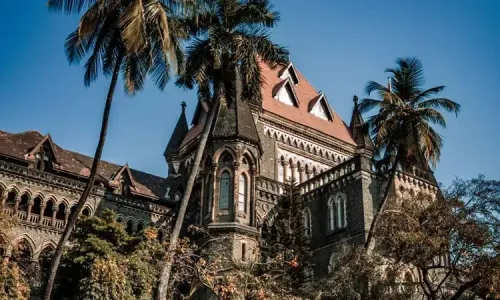
The Bombay High Court on Thursday, 8 May 2025, upheld the acquittal of all 22 accused — including 21 police personnel — in the alleged fake encounter killings of Sohrabuddin Shaikh, his wife Kauser Bi, and associate Tulsiram Prajapati, closing a legal chapter that has stretched nearly two decades.
A Division Bench of Chief Justice Shree Chandrashekhar and Justice Gautam Ankhad dismissed the appeals filed by Sohrabuddin's brothers, Rubabuddin and Nayabuddin, who had challenged the December 2018 judgment of a special Central Bureau of Investigation (CBI) court that acquitted all the accused.
What the Appeals Sought
The appeals, pending since 2019, had sought either the quashing of the trial court's verdict or, alternatively, a direction for retrial under Section 386(a) of the Code of Criminal Procedure. The appellants, approaching the court as family members of the victims, contended that the trial was fundamentally flawed and that the special court had based its findings on erroneous appreciation of evidence and unwarranted assumptions.
During proceedings, the appellants argued that the prosecution had failed to summon magistrates before whom certain hostile witnesses had earlier recorded their statements. They further alleged that several witnesses later claimed their testimonies were not accurately recorded during the trial.
CBI's Stance and Court's Ruling
The CBI, appearing before the High Court, stated it had accepted the 2018 acquittal verdict and had not taken a decision to challenge it in appeal. The Bombay High Court was not inclined to interfere with the special CBI court's findings, effectively affirming the acquittals across the board.
Background: The Alleged Encounters
The case originates from the alleged abduction of Sohrabuddin Shaikh, Kauser Bi, and Prajapati from a luxury bus travelling from Hyderabad to Sangli on the night of 22–23 November 2005. According to the prosecution, Shaikh was killed in a staged encounter near Ahmedabad in November 2005 by a joint team of Gujarat and Rajasthan Police personnel. Kauser Bi was allegedly killed a few days later, and her body was reportedly disposed of secretly. Prajapati, considered a key eyewitness, was killed in another alleged fake encounter on the Gujarat-Rajasthan border in December 2006.
A Trial Marked by Transfers and Controversy
The investigation, initially conducted in Gujarat, was transferred to the CBI by the Supreme Court, which in 2012 also shifted the trial to Mumbai. The trial was presided over by multiple judges, including Judge B.H. Loya, who died in 2014 during the pendency of proceedings. Subsequently, Judge M.B. Gosavi discharged current Union Home Minister Amit Shah from the case in December 2014.
The trial thereafter proceeded against the remaining accused — comprising serving and retired police personnel from Gujarat, Rajasthan, and Andhra Pradesh, as well as a farmhouse owner accused of illegally confining the victims.
The 2018 Acquittal and Its Basis
On 21 December 2018, Special CBI Judge S.J. Sharma acquitted all 22 accused, holding that the prosecution had failed to establish charges of conspiracy and murder beyond a reasonable doubt. The special court noted that 210 witnesses were examined during the trial, but 92 of them turned hostile, effectively collapsing the prosecution's case. The trial court observed that the accused could not be convicted merely on moral grounds or suspicion in the absence of cogent evidence linking them to the alleged conspiracy and killings.
With the Bombay High Court now dismissing the final appeals, the legal proceedings in the Sohrabuddin encounter case appear to have reached their conclusion — barring any further challenge before the Supreme Court.
Point of View
Justice for Sohrabuddin Shaikh, Kauser Bi, and Tulsiram Prajapati remains, in the eyes of their family, permanently deferred.
NationPress
24 Sept 2026
Frequently Asked Questions
What did the Bombay High Court rule in the Sohrabuddin fake encounter case?
The Bombay High Court dismissed the appeals filed by Sohrabuddin Shaikh's brothers and upheld the acquittal of all 22 accused, including 21 police personnel. The Division Bench of Chief Justice Shree Chandrashekhar and Justice Gautam Ankhad found no grounds to interfere with the special CBI court's December 2018 judgment.
Who were the victims in the Sohrabuddin encounter case?
The three victims were Sohrabuddin Shaikh, his wife Kauser Bi, and associate Tulsiram Prajapati. All three were allegedly abducted from a bus travelling from Hyderabad to Sangli on the night of 22–23 November 2005 and killed in separate alleged staged encounters.
Why were all 22 accused acquitted in the Sohrabuddin case?
Special CBI Judge S.J. Sharma acquitted all 22 accused on 21 December 2018, holding that the prosecution failed to prove charges of conspiracy and murder beyond a reasonable doubt. A key factor was that 92 of the 210 witnesses examined during the trial turned hostile, collapsing the prosecution's case.
What was the CBI's position on the acquittal?
The CBI informed the Bombay High Court that it had accepted the 2018 acquittal verdict and had not taken a decision to challenge it in appeal, effectively withdrawing from any further prosecution effort in the case.
What is the significance of Judge B.H. Loya's death in this case?
Judge B.H. Loya, who presided over the Sohrabuddin trial for a period, died in 2014 during the pendency of proceedings. His death later became a subject of public controversy and separate legal scrutiny, adding another layer of complexity to the already high-profile case.