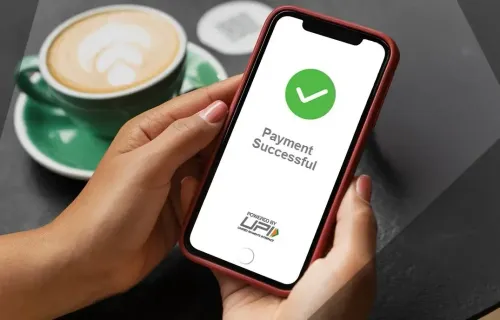
Chandni Chowk shops drop UPI: Supriya Shrinate says 'bound to happen'
Synopsis
Shops in Delhi's Chandni Chowk have reportedly begun refusing UPI payments, and Congress leader Supriya Shrinate says this is only the beginning — predicting a nationwide cash comeback if surcharges are allowed. The episode exposes a fault line in India's digital payments policy just as the government scrambles to reassure users that small-value UPI transactions remain charge-free.
Key Takeaways
Several shops in Chandni Chowk, Delhi have reportedly stopped accepting UPI payments amid fears of additional transaction charges.
Congress leader Supriya Shrinate warned the trend could spread from Delhi to the rest of the country.
She noted that cash in the economy has risen from ₹17 lakh crore at the time of demonetisation to over ₹40 lakh crore today.
The government announced on Monday that banks cannot impose charges on UPI transactions up to ₹2,000 , or on RuPay debit card payments up to the same limit.
The Finance Ministry on Wednesday rejected claims that the MDR policy shift was influenced by foreign companies, saying India's digital payments decisions are made independently.
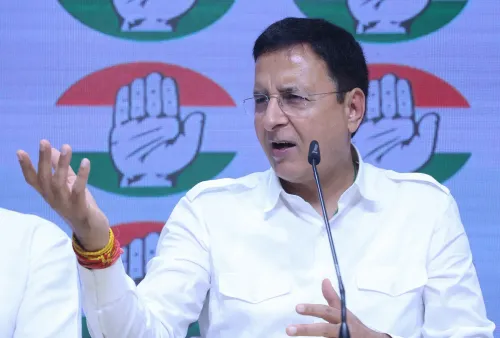
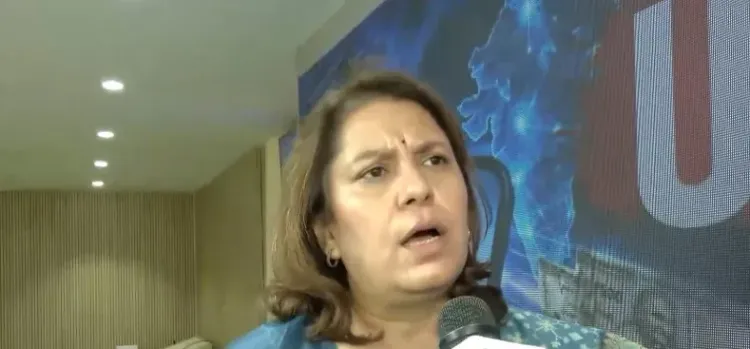
Congress leader Supriya Shrinate on Wednesday, 16 September said it was 'bound to happen' after reports emerged that several shops in Delhi's Chandni Chowk market had stopped accepting UPI payments, warning that similar pushback could spread across the country if additional transaction charges are levied on customers.
What Shrinate Said
'This is bound to happen; this will happen. Because people are not going to pay extra money out of their own pockets. Today, this has happened in Chandni Chowk; tomorrow, it will happen across Delhi, and eventually across the country,' she said.
Shrinate argued that imposing surcharges on UPI transactions would push consumers back toward cash payments. 'The UPI system that was created — if you have to pay extra money, you will pay it or you won't. You will stop and pay in cash,' she said, adding that cash in the economy had grown from ₹17 lakh crore at the time of demonetisation to more than ₹40 lakh crore today — more than two and a half times higher.
Allegations Against the Government
The Congress leader went further, questioning the government's policy direction and alleging that its decisions on digital payments were being shaped by external commercial interests. 'We don't understand the intentions and policy of the government. They don't know what they are doing. They are doing this for the benefit of US companies and working under their pressure,' she said. The government has not directly responded to Shrinate's remarks, though the Finance Ministry on Wednesday categorically rejected the broader claim that any change in the MDR (Merchant Discount Rate) framework was driven by foreign influence, asserting that India's digital payments policy is determined independently.
Government's Position on UPI Charges
On Monday, the government announced that banks would not be permitted to impose charges on UPI transactions up to ₹2,000. A government gazette notification also confirmed that no charges can be levied on payments up to ₹2,000 made through RuPay-powered debit cards. The clarification came amid growing public anxiety over reports of potential surcharges on small-value digital transactions.
Context: Chandni Chowk and the Broader UPI Debate
Chandni Chowk, one of Delhi's oldest and busiest wholesale and retail markets, serves as a bellwether for small-merchant behaviour across urban India. The reported move by some traders to stop accepting UPI reflects anxiety among small businesses about absorbing any transaction costs that may be passed on to them. Notably, UPI adoption surged dramatically after the 2016 demonetisation, when cash was effectively withdrawn from circulation overnight. Critics argue that any reversal — even partial — of the zero-MDR regime risks undermining the digital payments ecosystem that took years to build.
With the government's gazette notification now in place, the immediate regulatory picture appears to protect small-value transactions. However, the debate over charges on higher-value UPI payments remains unresolved, and market participants are watching for further policy signals.
Point of View
And it comes at a delicate moment. The government's gazette notification protecting sub-₹2,000 transactions is reassuring in the short term, but it leaves the upper band of UPI payments in a grey zone that is already unsettling traders. Shrinate's cash-comeback warning is politically pointed, but the underlying data — cash in circulation more than doubling since demonetisation — lends it structural weight. The Finance Ministry's swift rebuttal of the 'foreign influence' charge is necessary, but the absence of a comprehensive MDR roadmap is the real policy gap that mainstream coverage is underplaying.
NationPress
16 Sept 2026
Frequently Asked Questions
Why have some Chandni Chowk shops stopped accepting UPI payments?
Reports indicate that some traders in Delhi's Chandni Chowk market have stopped accepting UPI payments over concerns that additional transaction charges may be imposed on digital payments. Merchants are reportedly unwilling to absorb or pass on these potential surcharges to customers.
What did Congress leader Supriya Shrinate say about the UPI charges issue?
Supriya Shrinate said the merchant pushback against UPI was 'bound to happen,' arguing that customers would revert to cash if surcharges were levied. She also alleged, without providing evidence, that the government's digital payments policy was being shaped by US companies — a claim the Finance Ministry has denied.
Has the government imposed charges on UPI transactions?
No. The government announced on Monday that banks cannot impose charges on UPI transactions up to ₹2,000, and a gazette notification extended the same protection to RuPay-powered debit card payments of the same value. The policy for higher-value transactions has not been fully clarified.
What is MDR and why does it matter for UPI?
MDR, or Merchant Discount Rate, is a fee charged to merchants for processing digital payments. India currently mandates zero MDR on UPI and RuPay transactions, which has driven mass adoption. Any change to this regime could discourage merchants from accepting digital payments, potentially reversing years of financial inclusion gains.
What did the Finance Ministry say about foreign influence on UPI policy?
The Finance Ministry on Wednesday categorically rejected claims that any change in India's UPI or MDR framework was driven by foreign companies or external pressure, stating that India's digital payments decisions are made independently.