CM Samrat Choudhary: UPI stays free for all Indians
Synopsis
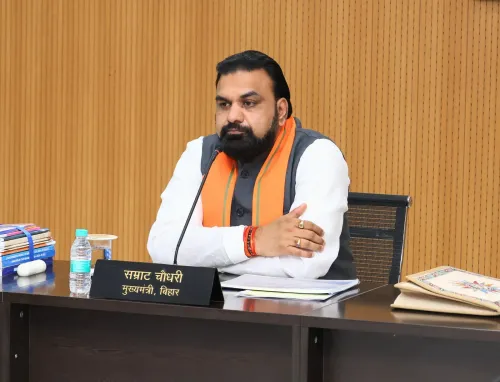
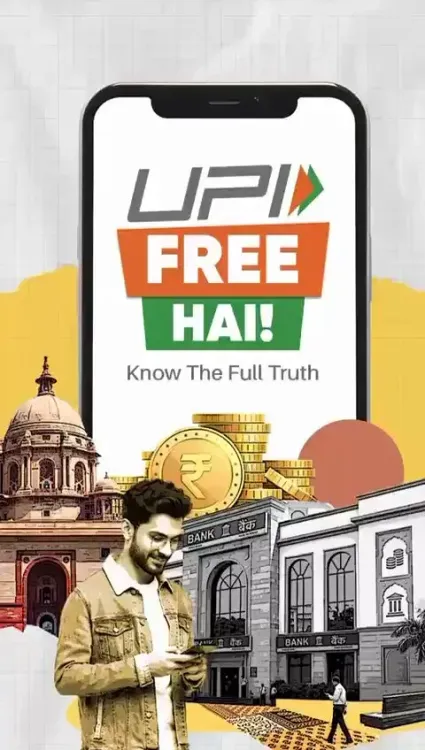
Bihar Chief Minister Samrat Choudhary declared on 13 August 2026 that UPI transactions will remain free for ordinary consumers, kirana shopkeepers, and small traders, reaffirming the government's zero-MDR policy under PM Modi's Digital India programme.
Key Takeaways
Bihar CM Samrat Choudhary posted on 13 August 2026 confirming UPI remains free for all ordinary users and small merchants.
UPI was launched by NPCI in 2016 as a real-time inter-bank mobile payment system.
Since 2019 , the government has waived the Merchant Discount Rate (MDR) on UPI transactions, keeping costs at zero for consumers and small businesses.
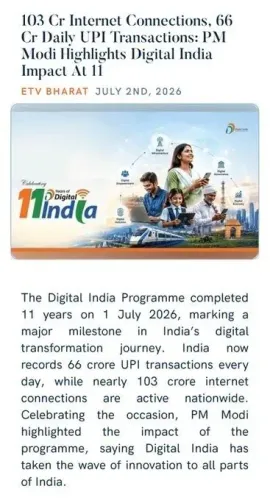
The zero-charge policy is a cornerstone of PM Narendra Modi 's Digital India programme, launched in 2015 .
The commitment is especially significant for Bihar 's large rural and informal-sector population transitioning to digital payments.
A decade after India bet big on digital payments, the promise at the heart of that wager is being restated loudly: UPI will cost ordinary Indians nothing. Bihar Chief Minister Samrat Choudhary used his platform on Thursday, 13 August 2026 to remind citizens — and perhaps reassure small traders anxious about future charges — that the zero-fee commitment on UPI transactions stands firm.
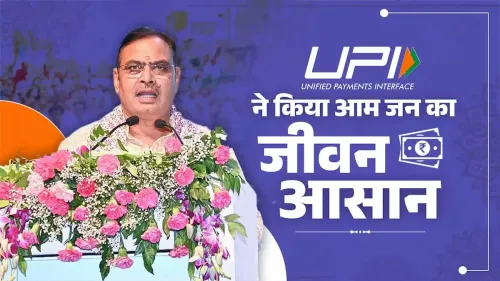
Posting in Hindi, the Chief Minister was direct: 'आम ग्राहकों, किराना दुकानदारों और छोटे व्यापारियों के लिए UPI लेनदेन पर कोई शुल्क नहीं है और आगे भी नहीं होगा' — 'For ordinary customers, kirana shopkeepers, and small traders, there is no charge on UPI transactions, and there will not be one going forward.' The message was aimed squarely at the informal economy: the corner-store owner, the vegetable vendor, the first-time digital payer.
From NPCI's 2016 launch to a billion daily transactions
UPI was introduced by the National Payments Corporation of India (NPCI) in 2016, built as a real-time inter-bank mobile payment rail. It was designed to be frictionless — and the economics had to match that promise. Since 2019, the government has waived the Merchant Discount Rate (MDR) on UPI transactions, eliminating the small percentage fee that merchants typically pay when customers swipe a card or tap a phone. That single policy decision removed the single biggest disincentive for kirana shops to go digital.
Choudhary framed this as a pillar of Prime Minister Narendra Modi's Digital India programme, launched in 2015 to build digital infrastructure and drive financial inclusion. 'सुविधा भी, सुरक्षा भी और बचत भी' — 'Convenience, security, and savings' — he wrote, calling it the digital strength of a new India.
Why kirana stores are the real test of Digital India
The informal retail sector — millions of neighbourhood kirana shops — was always the hardest segment to convert from cash. Transaction fees, even small ones, eat into razor-thin margins. Removing MDR was the unlock. A shopkeeper in Patna or Muzaffarpur accepting a ₹30 payment for a packet of biscuits via UPI pays nothing to the system. That is the concrete reality behind Choudhary's political messaging.
For Bihar specifically — a state with a large rural population and a growing base of first-time smartphone users — the stakes of keeping UPI free are higher than in more urbanised states. Any future charge, however small, risks reversing adoption gains in the lowest-income segments.
The eyes to watch now are on RBI and NPCI: any future revision to UPI charge structures would ripple immediately through the political conversation that leaders like Choudhary are actively shaping today.
Point of View
He ties a national infrastructure win to BJP's governance narrative in a state where digital adoption is still climbing. The zero-MDR commitment has been the quiet engine of UPI's mass-market penetration; any future deviation would be a significant political liability, and leaders are clearly keen to own the credit for keeping it intact. Bihar, with its large informal economy, is precisely the kind of state where this messaging lands with real electoral weight.
NationPress
27 Sept 2026
Frequently Asked Questions
Is UPI free to use in India in 2026?
Yes. UPI transactions are free for ordinary consumers, kirana shopkeepers, and small traders. The government has waived the Merchant Discount Rate on UPI since 2019, and Bihar CM Samrat Choudhary reaffirmed this commitment on 13 August 2026.
What is MDR and why was it waived on UPI?
MDR, or Merchant Discount Rate, is a fee merchants typically pay on digital transactions. The government waived MDR on UPI transactions from 2019 to eliminate cost barriers for small businesses and drive adoption in the informal retail sector.
Who launched UPI and when?
UPI — Unified Payments Interface — was launched by the National Payments Corporation of India (NPCI) in 2016 as a real-time inter-bank mobile payment system.
What is the Digital India programme?
Digital India is a government programme launched by Prime Minister Narendra Modi in 2015 to build digital infrastructure, promote financial inclusion, and reduce cash dependency across India.
Why is UPI free policy important for Bihar?
Bihar has a large rural population and a significant informal economy. Keeping UPI free removes the cost barrier that would otherwise deter low-income users and small shopkeepers from adopting digital payments.