India indispensable to global climate policy, says Australia's Chris Bowen at Pre-COP31 dialogue
Synopsis
Australia's Climate Minister Chris Bowen flew to New Delhi to deliver a pointed message before COP31: India is not just a participant in the global green transition — it is indispensable to it. With Turkiye hosting COP31 in November 2026 and the finance-implementation gap still unresolved, the Pre-COP dialogue signals a deliberate effort to build a durable India-Australia-Pacific coalition heading into the summit.
Key Takeaways
Australian Climate Minister Chris Bowen called India an 'indispensable voice' in global climate and energy policy at a Pre-COP31 dialogue in New Delhi on 24 September 2026 .
COP31 is scheduled to be held in Turkiye in November 2026 , with electrification and investment certainty among Australia's key priorities.
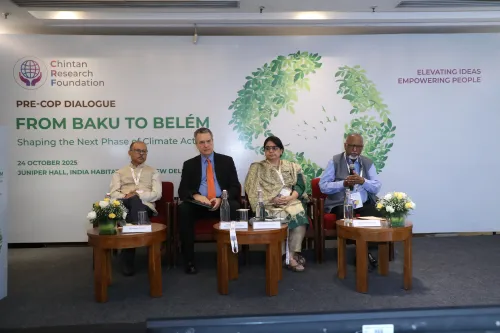
The dialogue was organised by the Chintan Research Foundation (CRF) in partnership with the Australian High Commission in India .
Participants flagged a persistent gap between international climate commitments and actual delivery, with climate finance and equity as recurring concerns.
India's Rajasree Ray highlighted India's contributions to early-warning systems and clean-technology supply chains across the Global South .
Turkiye's ambassador aligned COP31 host priorities with India's Vasudhaiva Kutumbakam philosophy, linking climate action to sustainable development.
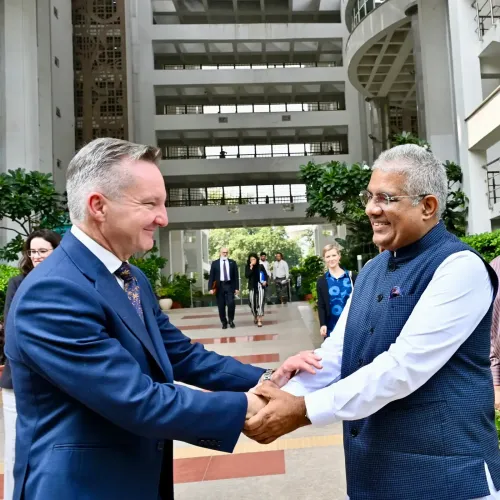
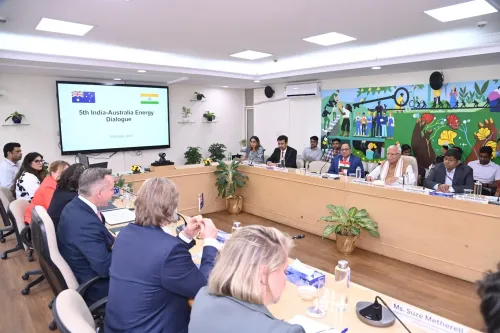
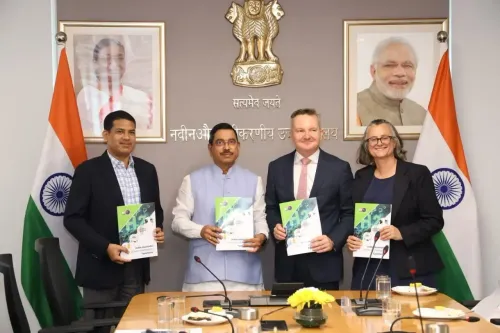
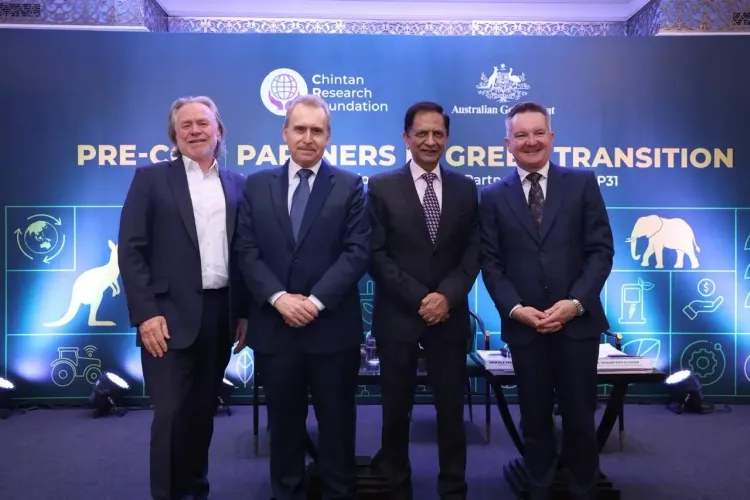
Australian Climate Change and Energy Minister Chris Bowen on Wednesday, 24 September 2026, declared India an 'indispensable voice' in shaping the future of global climate and energy policy, citing the country's rapid clean-energy expansion as proof that the green transition can reinforce — not restrain — economic growth. Bowen made the remarks at a Pre-COP Dialogue held in New Delhi, titled Partners in Green Transition: Advancing Ambition, Action and Partnerships for COP31.
Australia's Pitch and India's Role
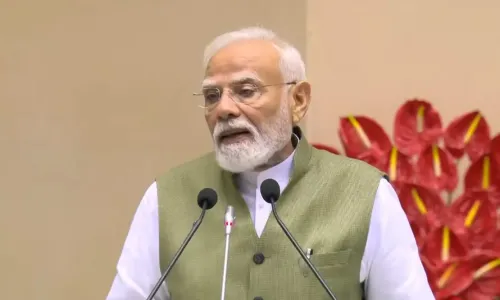
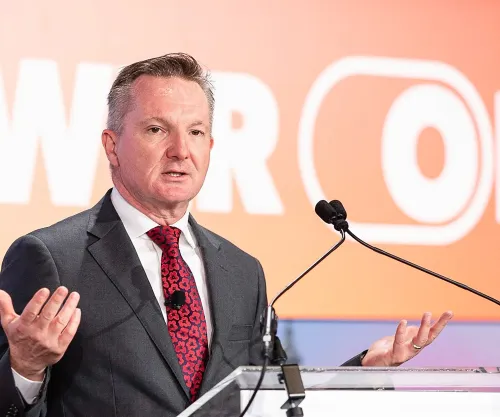
Speaking during his keynote address, Bowen said, 'India is showing the world that clean energy is not a brake on prosperity, but a pathway to it.' He added that India's experience would be 'important to the global climate conversation as countries work to accelerate implementation of their climate commitments.' The dialogue was convened by the Chintan Research Foundation (CRF), in partnership with the Australian High Commission in India.
Bowen also outlined key priorities for COP31, which is scheduled to be held in Turkiye in November 2026, describing the summit as one that would be 'inclusive and transparent', with electrification and investment certainty as central themes. He stressed the importance of elevating voices from Pacific Island countries, including through Pre-COP events held in Fiji and Tuvalu.
COP31 Host and Finance Gaps
Turkiye's Ambassador to India Ali Murat Ersoy said climate finance should be viewed as a strategic investment in global stability rather than simply a cost. He noted that Turkiye's priorities as COP31 host aligned with India's philosophy of Vasudhaiva Kutumbakam — 'the world is one family' — and called for climate action to remain closely tied to sustainable development goals.
Shishir Priyadarshi, President of CRF, opened the session by calling for greater private capital mobilisation toward countries facing financing constraints. He highlighted the persistent gap between international climate commitments and actual delivery, urging stakeholders to bridge funding shortfalls.
Voices from the Global South
The inaugural panel brought together Australian High Commissioner Philip Green, Brazilian Ambassador Kenneth Felix Haczynski da Nobrega, Fijian Ambassador Jagnnath Sami, Jamaican Ambassador Jason Hall, Ethiopian Ambassador Nebiyu Tedla, and Rajasree Ray, Senior Economic Advisor at India's Ministry of Environment, Forest and Climate Change. The session was moderated by NDTV Executive Editor Gaurie Dwivedi.
Brazil's envoy argued that the emphasis must now shift from commitment to implementation, while Ethiopia's ambassador underscored equity and the principle of common but differentiated responsibilities, pointing to high costs of capital as a structural barrier. Fiji's representative called for partnerships that translate into tangible cooperation, technology access, and finance for frontline nations.
Rajasree Ray said India was actively contributing to early-warning systems, disaster resilience, and meteorological services across the Global South, and stressed the importance of critical minerals and clean-technology supply chains in the broader energy transition.
What the Dialogue Covered
The symposium also featured sessions on climate-resilient infrastructure, financing green transitions, and international cooperation on critical minerals and clean technologies. A fireside chat examined India's specific role in advancing the priorities of the Global South ahead of COP31. Discussions are expected to feed into the wider COP31 negotiation process in Turkiye, with climate ambition, implementation, finance, and equitable partnerships as the organising themes.
Notably, this Pre-COP dialogue comes at a moment when the gap between pledged and disbursed climate finance remains a flashpoint in multilateral negotiations — making India's positioning as both a clean-energy leader and a developing-world voice increasingly consequential ahead of November 2026.
Point of View
Not merely complimentary — Australia needs India's buy-in to lend COP31 legitimacy among developing nations who distrust Northern-led climate architecture. Yet the dialogue's own proceedings revealed the enduring contradiction: climate ambition is abundant, credible finance is not. India's dual positioning as a clean-energy success story and a Global South advocate gives it unusual leverage, but that leverage only holds if New Delhi converts diplomatic goodwill into binding finance commitments at Turkiye. The gap between what was said in this room and what gets written into COP31 text remains vast.
NationPress
24 Sept 2026
Frequently Asked Questions
What did Australia's Climate Minister Chris Bowen say about India at the Pre-COP31 dialogue?
Chris Bowen called India an 'indispensable voice' in shaping the future of global climate and energy policy, saying India's clean-energy expansion shows that the green transition can support economic prosperity. He made the remarks at a Pre-COP dialogue in New Delhi on 24 September 2026.
What is COP31 and when will it be held?
COP31 is the 31st United Nations Climate Change Conference, scheduled to be held in Turkiye in November 2026. Turkiye holds the presidency and has aligned its host priorities around inclusive participation, climate finance, and implementation of existing commitments.
Who organised the Pre-COP31 dialogue in New Delhi?
The dialogue was convened by the Chintan Research Foundation (CRF) in partnership with the Australian High Commission in India. It brought together policymakers, diplomats, researchers, and climate practitioners from multiple countries.
Why is India's role in global climate negotiations considered significant?
India is one of the world's largest energy consumers and fastest-growing clean-energy markets, and is also seen as a key voice for developing nations in multilateral climate forums. Senior Indian officials at the dialogue highlighted India's work on early-warning systems, disaster resilience, and clean-technology supply chains across the Global South.
What were the key concerns raised at the New Delhi Pre-COP dialogue?
Participants flagged a persistent gap between international climate commitments and actual finance delivery, high costs of capital for developing nations, the need for technology access, and the disproportionate climate vulnerability of Pacific Island states and other frontline countries.