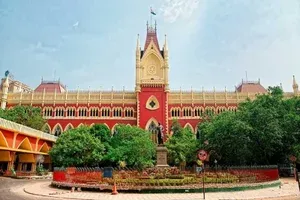
Calcutta HC lifts freeze on Abhishek Banerjee's bank account, advises banks on KYC notices
Synopsis
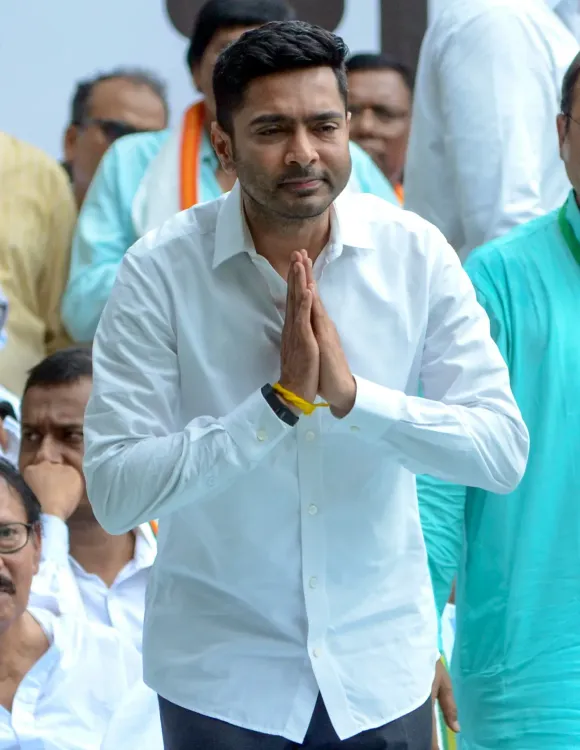
A bank froze Abhishek Banerjee's account without notice — right before his Supreme Court-permitted US medical trip. The Calcutta High Court disposed of the case after the bank restored the account, but not before Justice Krishna Rao issued a pointed advisory: notify every customer before freezing their account, regardless of who they are.
Key Takeaways
Abhishek Banerjee's personal bank account, which had been frozen due to a pending KYC update, has been fully restored as of 24 August .
The bank told the Calcutta High Court that the freeze was a standard procedural step after Banerjee's name appeared in another case, and was not intentional.
The freeze occurred just before Banerjee's scheduled US trip for ophthalmic treatment, permitted by the Supreme Court .
Justice Krishna Rao advised the bank to inform customers in advance before imposing debit restrictions — a standard that should apply to all customers , not just prominent ones.
The Calcutta High Court disposed of the petition after the account was restored.
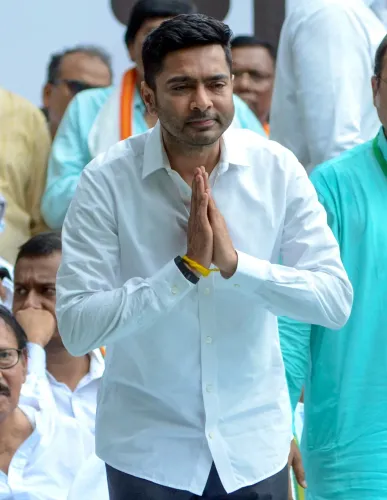
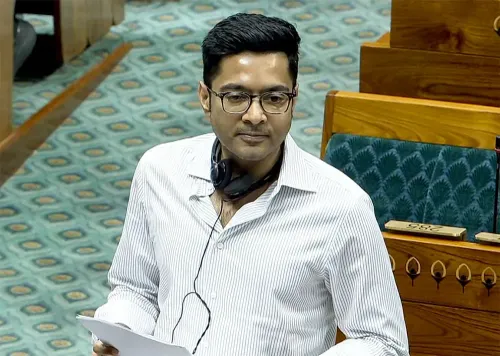
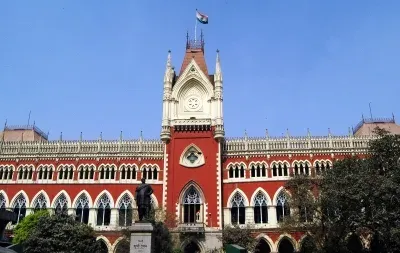
The Calcutta High Court on Monday, 24 August was informed that the debit freeze on the personal bank account of All India Trinamool Congress (TMC) general secretary and Diamond Harbour Lok Sabha member Abhishek Banerjee has been lifted, with his debit and credit cards fully reactivated. The bank attributed the temporary restriction to a pending Know Your Customer (KYC) update, not to any deliberate action against the politician.
Background: Why the Account Was Frozen
Banerjee, the nephew of West Bengal Chief Minister Mamata Banerjee, had approached the Calcutta High Court's single-judge bench of Justice Krishna Rao alleging that the bank froze his personal account and blocked his debit and credit cards without prior notice. The timing was particularly significant — the freeze occurred just before his scheduled trip to the United States for ophthalmic treatment, a visit that had been permitted by the Supreme Court earlier this month.
What the Bank Told the Court
Bank authorities, appearing before Justice Rao's bench, explained that the debit restrictions and card blockage were triggered by a pending KYC update. Counsel for the bank further submitted that Banerjee's name had appeared in connection with another case, following which the account was temporarily frozen as per standard internal procedure. The bank's lawyer stressed that the freeze was not intentional and that once the KYC formalities were completed, the account was restored to full operational status.
Notably, the bank did not notify Banerjee before imposing the restrictions — a lapse that drew the court's attention.
Court's Advice to the Bank
After hearing both sides, Justice Rao disposed of the petition. However, before closing the matter, the judge issued a pointed advisory to the bank: customers must always be informed in advance before any debit restrictions are imposed on their accounts, along with a clear explanation of the reasons. Justice Rao underscored that this practice should apply uniformly to all customers, not exclusively to high-profile account holders like Banerjee.
Broader Significance
This case highlights a recurring concern in Indian banking — the lack of prior communication to customers when accounts are frozen or cards blocked due to KYC non-compliance or regulatory flags. The Reserve Bank of India (RBI) has previously issued guidelines urging banks to maintain transparency with customers during such processes. The Calcutta High Court's advisory, while non-binding, reinforces those norms and serves as a reminder that due process applies regardless of the account holder's profile. With the matter now disposed of, Banerjee is expected to proceed with his US medical visit as originally planned.
Point of View
Ordinary customers face far less recourse. Justice Rao's advisory is sound, but it carries no binding force; the RBI's existing customer-protection guidelines already require advance communication, yet banks routinely sidestep them. The real issue is enforcement, not awareness. Until regulators impose penalties for unexplained account freezes, advisories from benches will remain well-intentioned but largely symbolic.
NationPress
8 Oct 2026
Frequently Asked Questions
Why was Abhishek Banerjee's bank account frozen?
The bank froze Abhishek Banerjee's personal account due to a pending KYC update and because his name was linked to another case, triggering a standard internal procedure. The freeze was described by the bank's counsel as temporary and unintentional.
Has Abhishek Banerjee's bank account been restored?
Yes. The bank informed the Calcutta High Court on 24 August that the debit restrictions have been lifted and both debit and credit cards have been reactivated following the completion of KYC formalities.
What did the Calcutta High Court say about the bank's conduct?
Justice Krishna Rao advised the bank to always notify customers in advance before imposing debit restrictions and to explain the reasons clearly. The judge stressed this should be standard practice for all customers, not just high-profile ones.
Who is Abhishek Banerjee?
Abhishek Banerjee is the general secretary of the All India Trinamool Congress and the Lok Sabha member from Diamond Harbour, West Bengal. He is also the nephew of West Bengal Chief Minister Mamata Banerjee.
What happens next in this case?
The Calcutta High Court has disposed of the petition since the account has been restored. Banerjee is expected to proceed with his US trip for ophthalmic treatment, which was earlier sanctioned by the Supreme Court.