White House Vows to End 'Systemic Fraud' in Foreign Labor Pipeline
Synopsis
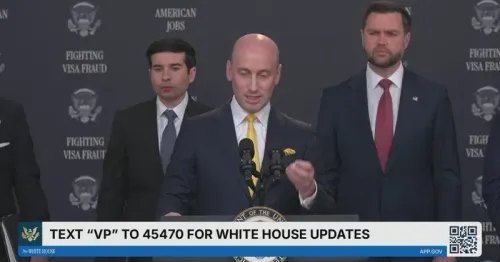
The White House on October 8, 2026, announced a crackdown on what it calls a 'pipeline of systemic fraud' in foreign labor, framing the move as a direct defence of American workers — a declaration with serious implications for India's high-skilled visa ecosystem.
Key Takeaways
The White House officially declared it is shutting down a 'pipeline of systemic fraud' flooding the US with foreign labor.
The statement frames foreign labor not just as an immigration issue but as a direct economic injury to American workers .
The declaration was made on October 8, 2026 , via the official White House X account.
India is the largest single source country for US H-1B high-skilled work visas, making this announcement particularly consequential for Indian IT and consulting sectors.
The language signals potential tightening of visa petition scrutiny, employer audits, and possible legislative action on employment-based immigration.
No specific regulatory measures or named programmes were identified in the post; concrete follow-through remains to be announced.
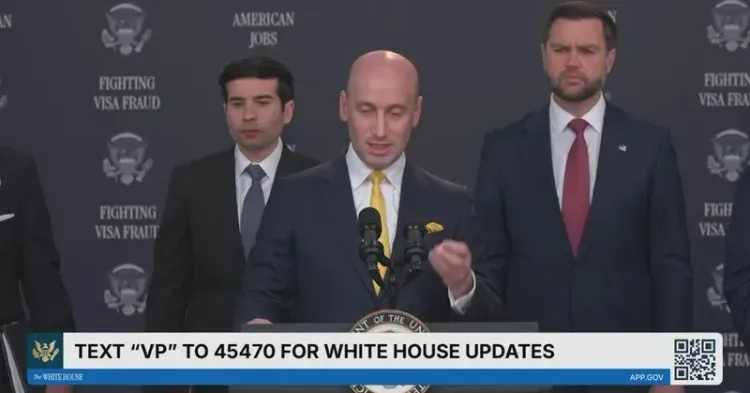
A blunt declaration from the heart of American power: The White House on Thursday, October 8, 2026, announced it is actively shutting down what it describes as a 'pipeline of systemic fraud' that has allegedly flooded the United States with foreign labor — framing the crackdown squarely as a defence of the American worker.
The Accusation at the Centre: 'Systemic Fraud' in Foreign Labor
The post pulls no punches. The official White House account declared it is 'protecting the American worker by shutting down the pipeline of systemic fraud that has flooded our country with foreign labor at the expense of American workers.' The language is deliberate and sweeping — targeting not a single bad actor, but an entire system the administration characterises as structurally broken.
The framing positions the crackdown as both a law-enforcement action and an economic one: foreign labor, in this telling, is not merely an immigration question but a direct injury to domestic wages, jobs, and opportunity. That dual framing — fraud plus economic harm — gives the administration a wider legal and political runway to act.
Why This Matters for Indian Professionals and the H-1B Ecosystem
For India — the single largest source country for high-skilled US work visas — language like this lands with particular weight. Indian nationals have historically accounted for the overwhelming majority of H-1B petitions filed each year, and the tech, consulting, and outsourcing sectors that depend on that pipeline are watching this administration's posture very closely.
When the White House uses the phrase 'systemic fraud,' it signals potential regulatory tightening — stricter scrutiny of visa petitions, enhanced audits of sponsoring employers, and possibly legislative proposals to cap or restructure employment-based visa programmes. Any such move would ripple directly into India's IT services industry, where US-based project placements are a foundational revenue stream.
The Political Calculus Behind the Message
The messaging is also unmistakably electoral in its texture, even outside a formal election cycle. Populist labor-protection rhetoric — wrapped in an American flag emoji — is a durable mobilising tool. By casting foreign labor as the product of 'fraud' rather than legitimate market demand, the administration sidesteps the economic debate about skill shortages and goes straight to a moral argument: American workers were cheated, and this White House is fixing it.
That framing demands a response from business lobbies, technology companies, and foreign governments alike. Whether the administration follows this post with concrete regulatory action — or whether it remains a signalling moment — will determine how deeply this particular declaration cuts.
The American worker has been promised protection before. The question now is what specific pipeline gets shut, how fast, and who gets caught in the valve.
Point of View
Whose tech sector depends structurally on H-1B placements, this signals a potentially hostile regulatory environment ahead. The dual fraud-plus-economic-harm argument gives the administration maximum flexibility to act through executive rules, visa adjudications, or legislation — making this a moment Indian policymakers and industry bodies should treat as a formal warning shot, not routine political messaging.
NationPress
8 Oct 2026
Frequently Asked Questions
What did the White House say about foreign labor on October 8, 2026?
The White House declared it is shutting down a 'pipeline of systemic fraud' that it says has flooded the United States with foreign labor at the expense of American workers, framing the move as protection for the domestic workforce.
How does the White House foreign labor crackdown affect Indian workers?
India is the largest source country for US H-1B high-skilled work visas. A crackdown on foreign labor pipelines could mean stricter visa scrutiny, more employer audits, and potential legislative changes that directly impact Indian IT professionals and outsourcing firms operating in the US.
What is meant by 'systemic fraud' in US foreign labor?
The White House used the term to describe what it characterises as a structured, widespread abuse of foreign labor visa programmes — implying organised misuse by employers or staffing companies rather than isolated violations.
Will H-1B visas be banned or reduced after this White House announcement?
No specific policy or ban was announced in the post. The statement signals intent to crack down on fraud within foreign labor pipelines, but concrete regulatory or legislative measures have not yet been specified.
Why is the White House focusing on American worker protection in 2026?
Labor protectionism remains a powerful political theme in US domestic politics. By framing foreign labor as the result of fraud rather than market need, the administration appeals to voters concerned about wages, job displacement, and economic fairness.