Calcutta HC directs Bengal govt to file affidavit on stamp paper shortage
Synopsis
A Calcutta High Court petition has tied a mundane civic problem — the sudden unavailability of ₹10 and ₹20 stamp papers — to a high-stakes political battle over the Trinamool Congress name and symbol. The petitioner alleges police were deployed to collect over 25,000 stamp papers for use in Supreme Court affidavits favourable to a TMC faction, leaving ordinary citizens unable to access the documents.
Key Takeaways
A division vacation bench of the Calcutta High Court on 20 October 2026 directed the West Bengal government to file an affidavit by 20 November in the stamp paper case.
Petitioner Surjit Mandal alleged more than 25,000 stamp papers worth ₹10 and ₹20 were taken from authorised vendors using police.
The papers were allegedly collected for affidavits tied to the Supreme Court case over the Trinamool Congress name and election symbol.
The Democratic Trinamool Congress faction led by Ritabrata Banerjee was named in the petition as the alleged orchestrator.
The petitioner has been directed to file a counter-affidavit by 27 November ; the next hearing is on 11 December .
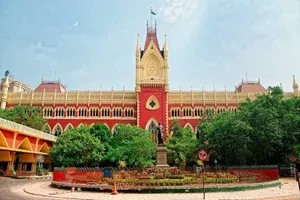
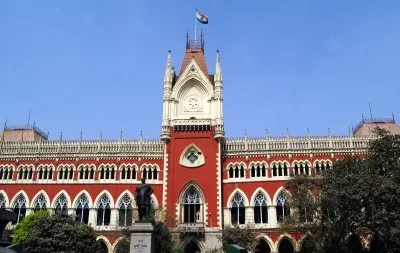
A division vacation bench of the Calcutta High Court on Tuesday, 20 October 2026, directed the West Bengal government to file an affidavit in a case alleging the sudden disappearance of ₹10 and ₹20 stamp papers from the open market in the state. The court has set a deadline of 20 November for the state to submit its affidavit.
What the Petition Alleges
The petition was filed by one Surjit Mandal, who alleged that more than 25,000 stamp papers were taken from authorised vendors with the involvement of police. According to the petitioner, these stamp papers were subsequently routed to various police stations, making it difficult for ordinary citizens to access them for legitimate legal and administrative purposes.
The petition further alleged that the Democratic Trinamool Congress — the faction led by Ritabrata Banerjee — was behind the collection of stamp papers in large numbers, purportedly for use in affidavits related to the political dispute over the name and election symbol of the Trinamool Congress (TMC). The Supreme Court had reportedly ordered the submission of such affidavits in that ongoing case.
The Alleged Modus Operandi
The petitioner claimed that since the Ritabrata-led faction had a limited number of supporters, police were allegedly going door to door to obtain signatures from ordinary TMC workers on stamp papers. Mandal argued that this method of collecting and using stamp papers violated specific laws and registration rules governing such documents.
'But the method in which the stamp papers were being collected and used was not following those rules,' the petitioner alleged. He urged the court to direct the police to halt the process and also sought an order for confiscation of all stamp papers already gathered through this alleged procedure.
State Government's Response
During the hearing before the bench of Chief Justice Ravindra Vithalrao Ghuge and Justice Md. Shabbar Rashidi, the state government denied the allegations and indicated its intention to place a detailed counter-report before the court. Following this, the bench formally directed the state to file an affidavit by 20 November.
Court Schedule and Next Steps
The petitioner has also been directed to submit a corresponding affidavit by 27 November. The next hearing in the matter has been fixed for 11 December. The case connects a civic grievance — the non-availability of low-denomination stamp papers — to a broader political and legal dispute over factional control within the Trinamool Congress, giving it implications that extend well beyond routine court procedure.
Point of View
They would represent a striking instance of state machinery being deployed for intra-party legal manoeuvring at the expense of ordinary citizens' access to legal documents. The West Bengal government's blanket denial, without a detailed counter on the record, means the court will be navigating contested facts on both the civic and political planes. The December hearing will be worth watching: it could either expose coordinated misuse of administrative resources or vindicate the state's position that the allegations are politically motivated.
NationPress
20 Oct 2026
Frequently Asked Questions
What is the Calcutta High Court stamp paper case about?
The case concerns a petition alleging that over 25,000 stamp papers worth ₹10 and ₹20 were seized from authorised vendors in West Bengal with police involvement, causing a shortage for ordinary citizens. The petitioner claims the papers were collected for affidavits linked to the Supreme Court dispute over the Trinamool Congress name and election symbol.
Who filed the petition in the Calcutta High Court?
The petition was filed by a person named Surjit Mandal. He alleged that the Democratic Trinamool Congress faction led by Ritabrata Banerjee orchestrated the mass collection of stamp papers using police, in violation of stamp and registration laws.
What has the Calcutta High Court directed?
The court directed the West Bengal government to file an affidavit by 20 November 2026 and the petitioner to file a corresponding affidavit by 27 November. The next hearing has been scheduled for 11 December 2026.
How is this case connected to the Trinamool Congress symbol dispute?
The petitioner alleges that the stamp papers were collected to obtain signed affidavits from TMC workers for submission in a Supreme Court case over the party's name and election symbol. The Supreme Court had reportedly ordered parties to submit such affidavits, and the Ritabrata Banerjee-led faction allegedly used police to gather them at scale.
What relief has the petitioner sought from the court?
The petitioner has urged the Calcutta High Court to direct police to stop the alleged mass collection of stamp papers and to order confiscation of all stamp papers already gathered through the process he described as unlawful.