Calcutta HC orders affidavits in Mamata Banerjee's Bhabanipur election petition
Synopsis
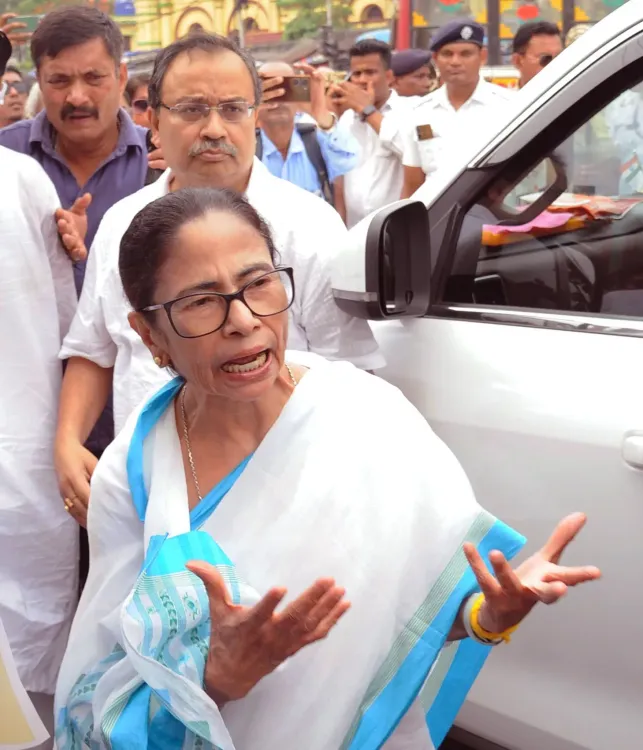
Mamata Banerjee's legal challenge to her Bhabanipur defeat is now formally before the Calcutta High Court — but she stands almost alone: 96.20% of defeated Trinamool candidates have not filed petitions, making her move a high-stakes outlier in a party that largely accepted the West Bengal election verdict.
Key Takeaways
The Calcutta High Court on 23 June directed all parties, including West Bengal CM Suvendu Adhikari , to file affidavits within four weeks in Mamata Banerjee 's Bhabanipur election petition.
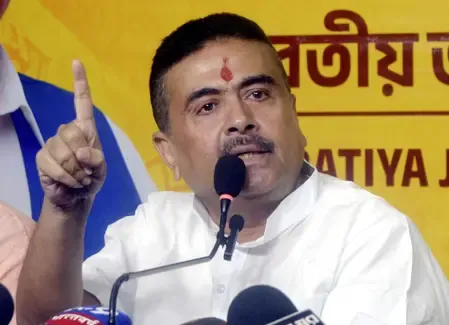
Mamata Banerjee lost the Bhabanipur assembly seat to BJP 's Suvendu Adhikari by a margin of over 15,000 votes .
Justice Gaurang Kant found the petition prima facie compliant with the Representation of the People Act, 1951 and accepted it for detailed hearing.
The court ordered preservation of CCTV footage , EVM , and VVPAT data from all Bhabanipur polling booths.
Only 8 of 211 defeated Trinamool candidates ( 3.80% ) have filed election petitions; 96.20% have not challenged the results.
The next hearing is scheduled 12 weeks from the date of the order.
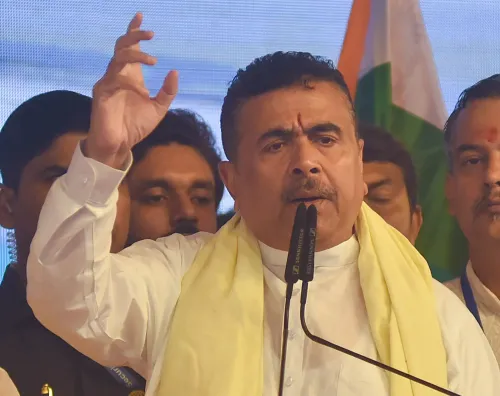
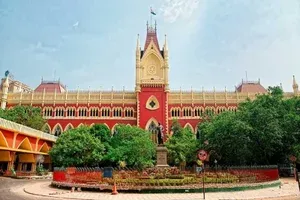
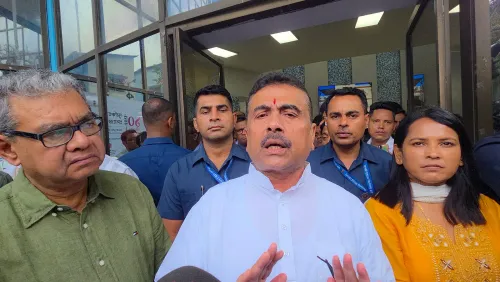
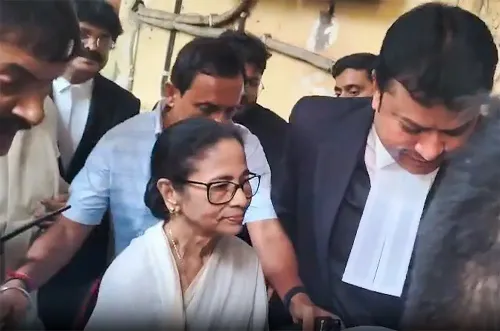
A single-judge bench of the Calcutta High Court on Tuesday, 23 June directed all parties — including West Bengal Chief Minister Suvendu Adhikari — to file affidavits in response to the election petition filed by All India Trinamool Congress (TMC) supremo Mamata Banerjee, challenging her defeat in the Bhabanipur assembly constituency in South Kolkata. The court has scheduled the next hearing 12 weeks from the date of the order.
Background: The Bhabanipur Defeat
Mamata Banerjee, contesting as the Trinamool candidate from Bhabanipur, was defeated by Bharatiya Janata Party (BJP)'s Suvendu Adhikari by a margin of just over 15,000 votes in the recently concluded West Bengal Assembly elections. The loss was a significant political blow, given that Bhabanipur has long been considered a stronghold for Banerjee.
Court's Key Directions
Presiding over the matter, Justice Gaurang Kant noted that the bench was prima facie satisfied the petition complied with the requirements of the Representation of the People Act, 1951, and accordingly accepted it for a detailed hearing. All parties, including Chief Minister Adhikari, have been directed to file their affidavits within the next four weeks.
Notably, Justice Kant also ordered the preservation of CCTV footage from the counting centre, along with data from the electronic voting machines (EVMs) and Voter Verifiable Paper Audit Trail (VVPAT) machines used across all polling booths in Bhabanipur — a standard but significant procedural safeguard in election disputes.
Conflict-of-Interest Query at the Outset
At the start of proceedings, Justice Kant proactively raised a potential conflict-of-interest concern, asking Banerjee's counsel — Kalyan Banerjee, a four-time Trinamool Lok Sabha member — whether he objected to Justice Kant hearing the case, given that the judge's elder brother is a national spokesman of the BJP. Kalyan Banerjee stated he had no objection, after which the hearing proceeded.
Only 8 of 211 Defeated TMC Candidates Have Moved Court
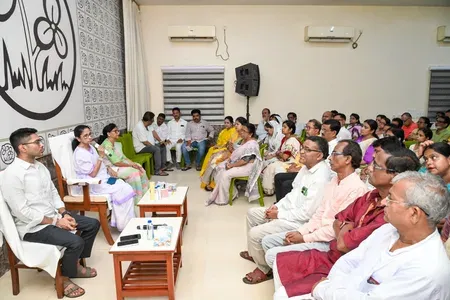
The petition stands out against a broader pattern of restraint within the Trinamool camp. According to available records, 203 of the 211 defeated Trinamool candidates — accounting for 96.20 per cent — have not filed election petitions before the Calcutta High Court, effectively accepting the election outcome despite repeated calls from Banerjee to pursue legal remedies. Only eight petitions in total have been filed, of which Banerjee's is one.
With affidavits due in four weeks and the next hearing set for 12 weeks out, the legal challenge to the Bhabanipur result is now formally underway — and its outcome could carry significant political implications for both Banerjee and the BJP in West Bengal.
Point of View
It suggests the party's collective read of the verdict is that it was legitimate. Banerjee's solitary pursuit of legal remedy risks looking less like a principled challenge and more like a personal reckoning with an unacceptable loss. The court's decision to preserve EVM and VVPAT data signals procedural seriousness, but election petitions in India historically face a high evidentiary bar. The real question is whether this is a credible legal strategy or a political signal — and the 12-week timeline before the next hearing means the answer will arrive slowly.
NationPress
22 Sept 2026
Frequently Asked Questions
What is Mamata Banerjee's Bhabanipur election petition about?
Mamata Banerjee has filed an election petition before the Calcutta High Court challenging her defeat in the Bhabanipur assembly constituency, where she lost to BJP's Suvendu Adhikari by a margin of over 15,000 votes in the West Bengal Assembly elections. The petition alleges grounds sufficient to contest the declared result under the Representation of the People Act, 1951.
What did the Calcutta High Court order on 23 June?
Justice Gaurang Kant directed all parties, including West Bengal Chief Minister Suvendu Adhikari, to file affidavits within four weeks. The court also ordered preservation of CCTV footage from the counting centre and EVM and VVPAT data from all Bhabanipur polling booths. The next hearing is scheduled 12 weeks from the order date.
Why did Justice Kant raise a conflict-of-interest question?
Justice Gaurang Kant asked Mamata Banerjee's counsel Kalyan Banerjee whether he objected to the judge hearing the case, since Justice Kant's elder brother is a national spokesman of the BJP — the party whose candidate defeated Banerjee. Kalyan Banerjee stated he had no objection, and the hearing proceeded.
How many defeated Trinamool candidates have challenged the West Bengal election results?
According to available records, only 8 of the 211 defeated Trinamool candidates have filed election petitions before the Calcutta High Court. The remaining 203 candidates — representing 96.20% — have not challenged the results, effectively accepting the election outcome.
What happens next in the Bhabanipur election petition case?
All parties must file their affidavits within four weeks of the 23 June order. The next substantive hearing before Justice Gaurang Kant is scheduled 12 weeks from the order date, after which the court will proceed to a detailed examination of the petition's merits.