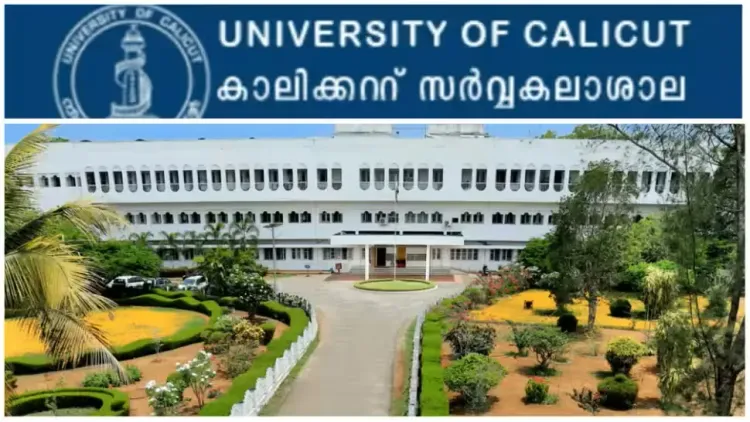
Calicut University to inspect hostel over CPI-M stronghold room names row
Synopsis
Rooms in a Calicut University men's hostel named after CPI-M strongholds — Pinarayi, Mattannur, Kalliassery, Koothuparamba — have triggered a formal inspection by university authorities. With a Congress-led UDF government in power in Kerala, even a dormitory naming quirk has become a political litmus test.
Key Takeaways
The University of Calicut has ordered an inspection of its men's hostel following complaints about rooms named after CPI-M strongholds.
The contested names include Pinarayi , Mattannur , Kalliassery , Koothuparamba , and DC Office .
The Students' Federation of India (SFI) says such naming is common practice in Kerala hostels and has called attention to poor hostel maintenance.
The controversy takes on added political significance as Kerala is currently governed by the Congress -led UDF .
Inspection findings are expected to be closely watched by both campus and political observers.
The University of Calicut has ordered an inspection of its men's hostel on 5 October 2026 after complaints emerged over rooms being named after CPI-M strongholds — including Pinarayi, Mattannur, Kalliassery, and Koothuparamba — as well as after a DC Office. The decision has thrust an otherwise unusual campus naming practice into the centre of Kerala's politically charged university politics.
The Names at the Heart of the Row
The four place names — Pinarayi, Mattannur, Kalliassery, and Koothuparamba — are well-known bastions of the Communist Party of India (Marxist) in northern Kerala. Their appearance on hostel room doors at one of the state's premier universities has prompted competing interpretations: deliberate political marking, student in-joke, or simple residential creativity.
The fifth name — DC Office — adds a bureaucratic twist to the mix, though it has attracted comparatively less comment. Together, the five names have been enough to attract the attention of university authorities.
Why the University Acted
According to university officials, the inspection was ordered following formal complaints from students. The university said it was responding to those grievances, without elaborating on the specific concerns raised. The move has lent institutional weight to what began as a campus curiosity.
Notably, the political context in Kerala has sharpened scrutiny of the decision. With a Congress-led United Democratic Front (UDF) government currently in power in the state, observers in campus and political circles have noted that the direction of the inspection's findings will be watched carefully — a dynamic that would likely have played out differently under a Left-led administration.
SFI's Response and Counter-Allegations
The Students' Federation of India (SFI), the student wing of the CPI-M, has pushed back against the framing of the controversy. The SFI argued that students routinely name hostel blocks and rooms according to personal interests and imagination, and that comparable naming practices exist in hostels across Kerala.
The student body also shifted focus to university management, alleging that the hostel had been neglected in terms of maintenance and painting for an extended period. Critics argue that the inspection, if confined to room names alone, risks deflecting attention from genuine infrastructure concerns.
What Happens Next
The university's inspection of the men's hostel is expected to produce findings that carry political as well as administrative implications. Whether the process results in directives on naming norms, maintenance remedies, or simply a formal report, the outcome is likely to reopen broader questions about political influence in Kerala's university campuses — a debate with a long institutional history in the state.
Point of View
This is a story about hostel room names; at a deeper level, it is about how Kerala's universities remain deeply wired to the state's Left-versus-UDF political contest. The real question the inspection should answer is not whether room names carry ideological flavour — student politics in Kerala always has — but whether university infrastructure has been neglected regardless of which side controls the campus. The SFI's counter-allegation about maintenance is worth taking seriously: if the hostel has gone unpainted and unrepaired for years, that is a governance failure that no naming controversy should be allowed to overshadow.
NationPress
5 Oct 2026
Frequently Asked Questions
Why is the University of Calicut inspecting its men's hostel?
The University of Calicut ordered a hostel inspection on 5 October 2026 after receiving complaints from students about rooms being named after CPI-M strongholds such as Pinarayi, Mattannur, Kalliassery, and Koothuparamba. University officials confirmed the decision was a direct response to those formal complaints.
Which room names sparked the controversy at Calicut University?
The contested names are Pinarayi, Mattannur, Kalliassery, Koothuparamba — all known CPI-M strongholds in northern Kerala — and DC Office. All five appear as names of rooms in the university's men's hostel.
What is the SFI's position on the hostel naming row?
The Students' Federation of India (SFI) has defended the practice, saying students across Kerala commonly name hostel blocks and rooms based on personal interests and imagination. The SFI also alleged that the hostel had not received adequate painting or maintenance for a long time, urging authorities to address upkeep rather than focus on room names.
Why does Kerala's ruling government matter in this controversy?
With the Congress-led United Democratic Front (UDF) currently in power in Kerala, observers note that the political direction of the inspection's findings carries significance. Critics and supporters on both sides are watching to see whether university authorities pursue the matter beyond nomenclature.
What are the possible outcomes of the university inspection?
The inspection could result in directives on hostel naming norms, formal observations on maintenance deficiencies, or a report that informs university policy. The outcome is expected to have broader implications for how political influence in Kerala's campuses is handled going forward.