CPI-M's Kannur district chief K.K. Ragesh faces revolt after 2026 Kerala poll losses
Synopsis
The CPI-M's most powerful district unit is in open revolt. Kannur — the ideological heartland of Kerala Communism — has turned on its own district secretary after the party lost Payyannur, a seat it had never before surrendered. With expelled leaders now sitting as elected MLAs against the party, the crisis is no longer just internal noise: it is a structural reckoning.
Key Takeaways
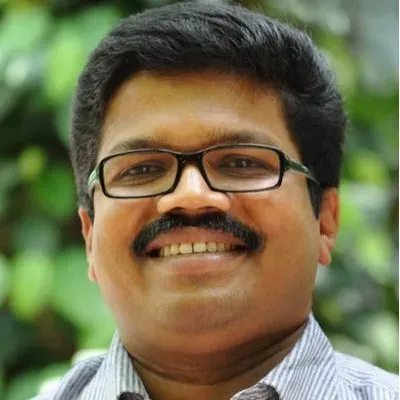
CPI-M Kannur District Secretary K.K.
Ragesh faces open revolt after the party lost two traditional strongholds in the 2026 Kerala Assembly elections .
Payyannur , a seat the CPI-M had never previously lost, fell to the opposition — a historic first that has intensified demands for accountability.
Senior CPI-M leaders including MLA Karayi Rajan and MLA V.K.
Sanoj have publicly defended Ragesh, but their interventions have deepened visible internal divisions.
Expelled former leaders T.K.
Kunhikrishnan won their maiden Assembly elections on a UDF ticket, adding credibility to their attacks on the Kannur leadership.
Cadres allege Ragesh brought a bureaucratic style from his years as Private Secretary to former CM Pinarayi Vijayan into the party organisation, alienating grassroots workers.
The controversy signals potential organisational corrections and leadership changes ahead in the CPI-M's most powerful district unit.
The Communist Party of India-Marxist (CPI-M) is grappling with an open internal revolt in its most powerful organisational unit after the party lost two traditional strongholds in Kannur district during the 2026 Kerala Assembly elections. The backlash has squarely targeted Kannur District Secretary K.K. Ragesh, with grassroots cadres, expelled former leaders, and social media supporters publicly demanding accountability — a level of dissent rarely witnessed in a district long regarded as the ideological fortress of Kerala Communism.
The Electoral Debacle That Sparked the Crisis
The trigger was the CPI-M's unprecedented defeat in two constituencies it had historically dominated in Kannur, including Payyannur — a seat that had never before slipped from the party's grip. The losses, coming in a district that functions as the nerve centre of the CPI-M's Kerala operations, have prompted a broader reckoning over leadership, strategy, and organisational direction.
A section of party workers has demanded that Ragesh, 56, accept moral responsibility for the electoral drubbing and resign as district secretary. The demand has found traction not just online but among former senior figures within the party itself.
Senior Leaders Rally to Ragesh's Defence
The intervention of senior CPI-M figures has, paradoxically, deepened the visible fault lines. MLA Karayi Rajan and DYFI State Secretary and MLA V.K. Sanoj have publicly backed Ragesh. In a strongly-worded Facebook post, Rajan described the campaign against Ragesh as a 'covert operation by anti-Communist forces seeking to weaken the party,' and warned cadres that 'comrades may have to become a wildfire if anyone sought to destroy the party's district secretary.'
The post, however, backfired. The comments section was flooded by CPI-M workers who insisted the criticism reflected genuine anguish over the party's decline rather than any external conspiracy — a rare instance of the rank and file publicly contradicting a sitting MLA within the party's own digital spaces.
Cadres Question Ragesh's Leadership Style
At the heart of the discontent is a charge that Ragesh became increasingly disconnected from grassroots workers after years at the apex of government power. Many cadres contend he imported into the party organisation the bureaucratic style he developed while serving as Private Secretary to former Chief Minister Pinarayi Vijayan from 2021 until the Left Democratic Front (LDF) government's exit from office last month.
A former Students Federation of India (SFI) and Democratic Youth Federation of India (DYFI) leader, Ragesh rose rapidly through party ranks and secured a Rajya Sabha berth at a relatively young age before becoming one of the most influential figures in the Chief Minister's Office. He also drew controversy during the previous LDF tenure over the appointment of his wife to Kannur University — an issue that generated considerable political debate at the time.
Expelled Leaders Add Weight to the Criticism
The dissent has been amplified by former senior CPI-M leaders T.K. Govindan and V. Kunhikrishnan, who were expelled from the party after publicly challenging its leadership. Backed by the Congress-led United Democratic Front (UDF), both contested their maiden Assembly elections and won, lending additional credibility to their attacks on the Kannur leadership.
They have accused CPI-M leaders — including party State Secretary M.V. Govindan and Ragesh — of refusing to undertake corrective measures despite the party's humiliating losses. Notably, their electoral victories against the CPI-M are themselves a measure of how far the party's organisational grip in Kannur has loosened.
What Comes Next for the CPI-M in Kannur
With former party heavyweights, grassroots cadres, and online supporters openly questioning the Kannur leadership, the controversy has evolved well beyond a social media dispute. The growing chorus of dissent suggests the CPI-M's most formidable district unit is heading toward a period of intense introspection, organisational correction, and possibly leadership changes in the months ahead.
Point of View
CMO-driven power structure of the last five years and the expectations of a cadre base that demands accountability from the ground up. Ragesh's trajectory — from SFI activist to Rajya Sabha MP to the most powerful private secretary in Kerala — mirrors the party's own drift from mass organisation to elite management. The fact that expelled leaders T.K. Govindan and V. Kunhikrishnan won their seats with UDF backing is the most damaging data point: it signals that voter and cadre disillusionment in Kannur is deep enough to elect the party's own critics. The CPI-M's challenge now is whether its internal correction mechanisms — long celebrated as a strength — can function honestly when the figures under scrutiny are closely tied to the outgoing chief minister's legacy.
NationPress
20 Sept 2026
Frequently Asked Questions
Why is CPI-M's Kannur district secretary K.K. Ragesh under pressure?
Ragesh is facing demands to resign after the CPI-M lost two traditional strongholds in Kannur district, including Payyannur, during the 2026 Kerala Assembly elections. Grassroots cadres accuse him of being disconnected from party workers and of running the district unit in an overly bureaucratic manner.
What is the significance of Payyannur in this controversy?
Payyannur is a constituency that had never previously slipped from the CPI-M's control, making its loss in 2026 a historic first and a particularly sharp symbol of the party's organisational decline in Kannur. The defeat has become the focal point of demands for leadership accountability.
Who are T.K. Govindan and V. Kunhikrishnan, and why do they matter?
They are former senior CPI-M leaders who were expelled from the party after publicly challenging its leadership. They contested the 2026 Kerala Assembly elections backed by the Congress-led UDF and won, lending significant weight to their ongoing criticism of Ragesh and State Secretary M.V. Govindan.
What was MLA Karayi Rajan's response to the criticism of Ragesh?
Rajan defended Ragesh in a Facebook post, calling the campaign against him a 'covert operation by anti-Communist forces.' However, the post drew a wave of pushback from CPI-M workers themselves, who said the criticism reflected genuine concern over the party's decline rather than any external conspiracy.
What is K.K. Ragesh's background in the CPI-M?
Ragesh, 56, is a former SFI and DYFI leader who rose quickly through the CPI-M ranks and secured a Rajya Sabha seat at a relatively young age. He later served as Private Secretary to former Chief Minister Pinarayi Vijayan from 2021 until the LDF government's exit from office, making him one of the most influential figures in the outgoing administration.