CBI court sentences firm partner to 3 years RI in ₹4 crore bank fraud
Synopsis
A Special CBI Court in Mohali has sentenced steel firm partner Samir Dua to three years of rigorous imprisonment for defrauding Indian Overseas Bank of ₹4 crore through forged documents. The co-accused, Dalip Dua, escaped conviction only because he died during the trial — a reminder of how long financial fraud prosecutions can drag on in India.
Key Takeaways
Samir Dua , partner of M/s G.D.
Ispat Udyog , Mandi Gobindgarh, sentenced to 3 years rigorous imprisonment on 4 June .
Court also imposed a fine of ₹15,000 on the convict.
The fraud involved fraudulently obtaining a cash credit limit of ₹4 crore from Indian Overseas Bank 's Mandi Gobindgarh branch using fabricated documents.
Co-accused Dalip Dua 's proceedings were abated following his death during the trial.
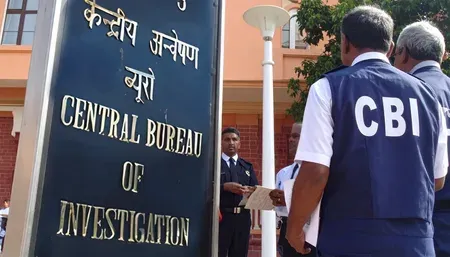
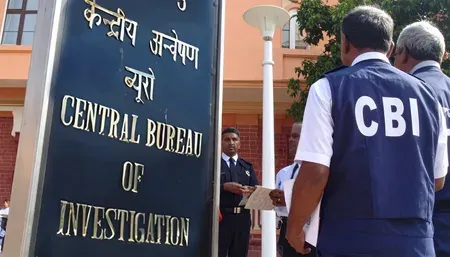
The case was investigated and prosecuted by the Central Bureau of Investigation (CBI) .
A Special CBI Court in Mohali, Punjab, has convicted Samir Dua, a partner of M/s G.D. Ispat Udyog of Mandi Gobindgarh, sentencing him to three years of rigorous imprisonment (RI) and a fine of ₹15,000 in connection with a ₹4 crore bank fraud case. The sentence was pronounced on 4 June, following the conclusion of trial proceedings in a case investigated by the Central Bureau of Investigation (CBI).
The Fraud and How It Was Executed
According to the CBI, the case was registered against Dalip Dua and Samir Dua, partners of M/s G.D. Ispat Udyog, along with other accused, for allegedly entering into a criminal conspiracy to defraud the Indian Overseas Bank's Mandi Gobindgarh branch in Punjab.
Investigators found that the accused had fraudulently secured a cash credit limit of ₹4 crore from the bank by submitting false and fabricated documents and information. The loan facility was allegedly obtained through deliberate misrepresentation, causing a wrongful loss to the bank and a corresponding unlawful gain to the accused.
Charge Sheet and Trial
Following a detailed investigation, the CBI filed a charge sheet against the accused before the competent court. During the trial, the prosecution presented evidence establishing the fraudulent nature of the transactions and the conspiracy behind obtaining the credit facility.
After examining the evidence and hearing arguments from both sides, the Special CBI Court found Samir Dua guilty and sentenced him to three years of rigorous imprisonment, along with a monetary penalty of ₹15,000.
Co-Accused Proceedings Abated
Proceedings against co-accused Dalip Dua were abated due to his death during the pendency of the case. This is a common legal outcome in Indian courts when an accused passes away before the conclusion of trial.
Significance of the Conviction
The conviction marks the culmination of the CBI's investigation into the fraud at a public sector bank. Financial crimes targeting public sector banks have been a persistent concern for enforcement agencies, with the CBI handling dozens of such cases across the country each year. This case underscores the agency's stated commitment to prosecuting those responsible for defrauding public sector institutions.
The verdict is expected to serve as a deterrent signal in cases involving fabricated loan documentation, a method that has featured in several high-profile bank fraud prosecutions in recent years.
Point of View
Yet it took years of trial proceedings to reach sentencing. The real deterrence question is not whether courts convict, but how quickly they do so: drawn-out trials reduce the signalling effect of eventual punishment. Public sector banks continue to bear disproportionate exposure to fraudulent credit facilities, and the Mandi Gobindgarh steel belt has historically been a hotspot for such cases.
NationPress
27 Sept 2026
Frequently Asked Questions
Who is Samir Dua and what was he convicted for?
Samir Dua is a partner of M/s G.D. Ispat Udyog, a firm based in Mandi Gobindgarh, Punjab. He was convicted by a Special CBI Court in Mohali for criminal conspiracy to defraud Indian Overseas Bank of ₹4 crore through the submission of false and fabricated documents to secure a cash credit facility.
What sentence did the CBI court hand down?
The court sentenced Samir Dua to three years of rigorous imprisonment and imposed a fine of ₹15,000. The sentence was pronounced on 4 June following the conclusion of trial proceedings.
What happened to co-accused Dalip Dua?
Proceedings against co-accused Dalip Dua, also a partner of M/s G.D. Ispat Udyog, were abated by the court due to his death during the pendency of the case. He was not convicted.
How was the ₹4 crore fraud carried out?
According to the CBI, the accused fraudulently obtained a cash credit limit of ₹4 crore from the Indian Overseas Bank's Mandi Gobindgarh branch by submitting false and fabricated information and documents, causing wrongful loss to the bank.
Which bank was defrauded in this case?
Indian Overseas Bank's branch in Mandi Gobindgarh, Punjab, was the victim of the fraud. The bank suffered a wrongful loss of ₹4 crore due to the fraudulent cash credit facility obtained by the accused.