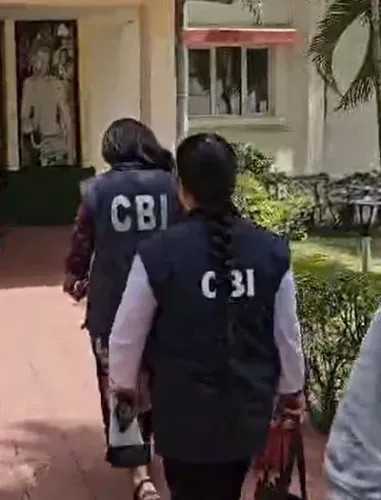
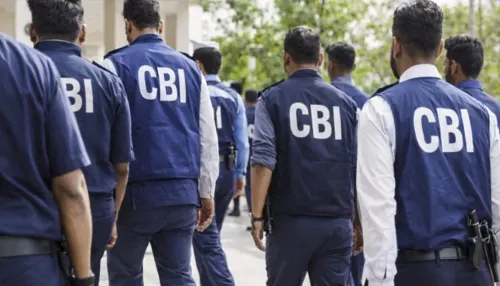
CBI arrests Chandigarh MC Sanitary Inspector for ₹14 lakh bribery
Synopsis
A Chandigarh Municipal Corporation Sanitary Inspector was caught red-handed by the CBI accepting ₹5 lakh as part of a ₹14 lakh bribe demand from a contractor. The official had allegedly threatened to withhold the firm's bills and cancel its tender — a textbook coercion play that the CBI's sting operation unravelled within days of the complaint.
Key Takeaways
The CBI arrested a Sanitary Inspector of Municipal Corporation, Chandigarh on 8 October 2026 in a bribery case.
The accused allegedly demanded ₹14 lakh from a contractor for processing and clearing pending and future bills.
He was caught accepting ₹5 lakh as part-payment during a CBI sting operation on 7 October 2026 .
The accused reportedly threatened to withhold bills and cancel the contractor's tender if the bribe was not paid.
Post-arrest searches at the accused's residence and office recovered incriminating documents and immovable property records.
The arrested official was to be produced before the Competent Court at Chandigarh later on Thursday; investigation is ongoing.
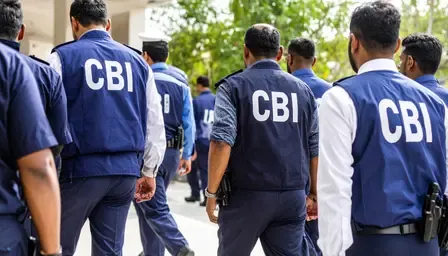
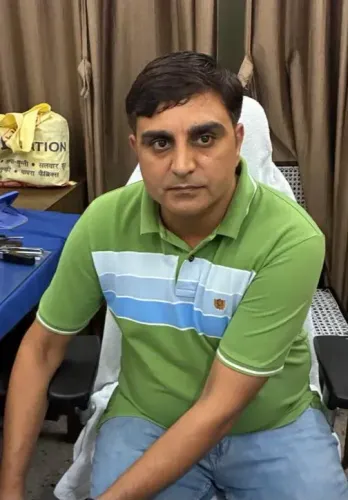
The Central Bureau of Investigation (CBI) on Thursday, 8 October 2026, arrested a Sanitary Inspector employed with the Municipal Corporation (MC), Chandigarh, after he was allegedly caught red-handed accepting a bribe. The case centres on demands of ₹14 lakh in illegal gratification from a contractor for processing and clearing the firm's pending and future bills.
How the Trap Was Laid
The CBI registered the case on Wednesday, 7 October, following a complaint that the Sanitary Inspector had demanded the bribe and threatened to withhold the contractor's bills and get the firm's tender cancelled if payment was not made. Acting swiftly on the allegations, the agency set up a sting operation the same day.
During the operation, CBI officials caught the accused in the act of allegedly accepting ₹5 lakh as part-payment of the total ₹14 lakh demanded, from a contractor engaged with the Municipal Corporation. Officials intervened at that point and arrested him.
Searches and Evidence Recovered
Following the arrest, the CBI conducted searches at the residential and office premises of the accused Sanitary Inspector. Officials said the searches yielded incriminating documents as well as documents pertaining to immovable property.
The agency is currently examining the recovered material as part of its ongoing investigation into the bribery allegations. The searches indicate the probe may extend beyond the immediate bribery transaction to broader financial irregularities.
Legal Proceedings
The arrested Sanitary Inspector was scheduled to be produced before the Competent Court at Chandigarh later on Thursday, officials confirmed. Further investigation into the matter is underway, they added.
The Larger Pattern
This arrest is part of a series of CBI anti-corruption actions targeting mid-level civic officials across Indian cities. Municipal sanitary and civil works departments — which handle contractor billing and tender clearances — have historically been flagged by anti-corruption watchdogs as susceptible to demand-side bribery. The alleged threat to cancel tenders unless bribes are paid represents a coercive tactic that directly harms public contractors and, by extension, civic service delivery.
Point of View
But it points to a systemic vulnerability: municipal billing and tendering remain among the most corruption-prone functions in Indian civic bodies, precisely because contractors have little recourse against an official who controls payment timelines. The CBI's swift turnaround — complaint on Wednesday, trap and arrest the same day — signals operational efficiency, but the real question is whether searches and scrutiny of immovable assets will expose a wider network rather than just one official. Single-arrest cases that stop at the visible bribe-taker rarely address the institutional conditions that enable demand-side corruption in the first place.
NationPress
8 Oct 2026
Frequently Asked Questions
Why did the CBI arrest the Chandigarh Municipal Corporation Sanitary Inspector?
The CBI arrested the Sanitary Inspector on 8 October 2026 for allegedly demanding ₹14 lakh in bribe from a contractor in exchange for processing and clearing the firm's pending and future bills with the Municipal Corporation, Chandigarh. He was caught red-handed accepting ₹5 lakh as part-payment during a CBI sting operation.
How much bribe was the accused demanding and how much was he caught with?
The accused Sanitary Inspector allegedly demanded a total of ₹14 lakh from the contractor. He was arrested while accepting ₹5 lakh — the first instalment of that amount — during a CBI trap laid on 7 October 2026.
What threats did the accused reportedly make to the contractor?
According to the CBI, the accused threatened to withhold the contractor's pending bills and get the firm's tender cancelled if the demanded bribe of ₹14 lakh was not paid. These threats formed the basis of the complaint that triggered the investigation.
What did the CBI find during searches after the arrest?
Following the arrest, CBI officials conducted searches at the accused's residential and office premises, recovering incriminating documents and documents related to immovable property. The agency is examining the material as part of its ongoing investigation.
What happens next in the Chandigarh MC bribery case?
The arrested Sanitary Inspector was to be produced before the Competent Court at Chandigarh on 8 October 2026. Further investigation, including analysis of seized documents and immovable property records, is underway to determine whether the case extends beyond a single official.